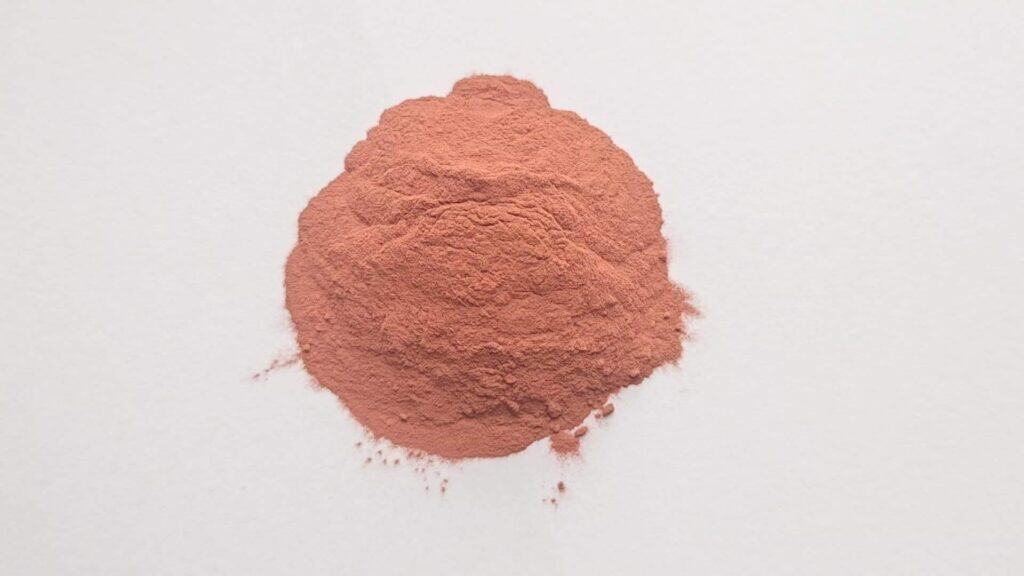
Ultra fine copper powder refers to copper particles with extremely small particle sizes, typically below 10 micrometers and often reaching into the sub-micron and nano range. With high surface area, excellent electrical and thermal conductivity, and superior reactivity compared to conventional copper powders, ultra fine copper powder has become an essential material in electronics, metallurgy, additive manufacturing, chemical processes, and advanced material applications.
The Global Ultra-Fine Copper Powder (99.9999%) Market Size was estimated at 726.58 USD Million in 2024. The Ultra-Fine Copper Powder industry is projected to grow from 778.31 in 2025 to 1548.31 by 2035, exhibiting a compound annual growth rate (CAGR) of 7.12% during the forecast period 2025 – 2035.
The global ultra fine copper powder market has grown significantly due to rising demand for conductive materials in electronics, increasing adoption of metal powders in additive manufacturing, and continuous innovation in energy storage and advanced coatings. Its unique characteristics enable high-performance results in printed electronics, metal injection molding (MIM), catalysts, and high-density components, making it a crucial material in modern manufacturing and emerging technologies.
Market Dynamics
1. Key Market Drivers
a. Rising Demand in Electronics and Electrical Applications
Increasing miniaturization in electronic devices has propelled the need for materials with excellent conductive properties and small particle sizes. Ultra fine copper powder is widely used in conductive inks, multilayer ceramic capacitors (MLCCs), electromagnetic shielding, circuit board pastes, and electronic packaging. The rapid growth of smartphones, IoT devices, wearables, and consumer electronics strengthens this trend.
b. Growth of Additive Manufacturing and Metal Injection Molding
Ultra fine copper powder plays a critical role in powder-based manufacturing technologies, including 3D printing and MIM. The expanding adoption of these technologies in aerospace, automotive, healthcare, and tooling sectors helps accelerate market growth. High purity and fine particles produce components with superior density and performance, supporting advanced production requirements.
c. Increasing Use in Catalysts and Chemical Processes
Copper-based catalysts are widely used in chemical manufacturing, petrochemical processes, and environmental technologies. Ultra fine copper powder’s high surface area enhances catalytic efficiency, driving its adoption in reduction reactions, hydrogenation, and emission-control systems. As industries shift toward more efficient and sustainable chemical processes, demand continues to rise.
d. Expansion of Renewable Energy and Battery Technologies
In lithium-ion batteries, copper plays a crucial role in current collectors and conductive components. Ultra fine copper powder is gaining traction in next-generation battery designs, fuel cells, and energy storage solutions due to its improved conductivity and lower material consumption. The global shift toward electrification and renewable energy strongly supports long-term market demand.
2. Market Restraints
a. High Production Costs
Producing ultra fine copper powder requires advanced equipment, precise process control, and high-purity raw materials, resulting in higher production costs. This limits adoption in cost-sensitive applications and discourages use in regions with limited technological capabilities.
b. Oxidation and Handling Challenges
Ultra fine copper powder is highly reactive and prone to oxidation, requiring specialized storage conditions and protective atmospheres. These concerns add to operational complexity and increase logistical challenges.
c. Availability of Alternative Conductive Materials
Silver powders, graphene, and carbon nanotubes offer superior conductivity and stability in certain applications. Although more expensive, these materials compete with ultra fine copper powder in high-end electronics and specialty coatings.
d. Fluctuation in Copper Prices
Volatility in global copper prices impacts production stability and market pricing. Fluctuating raw material costs can disrupt supply chains and affect buying patterns, especially in industrial sectors.
Get Free Sample Copy of Report @ https://www.marketresearchfuture.com/sample_request/11787
3. Opportunities
a. Growth in Printed and Flexible Electronics
Ultra fine copper powder is essential for manufacturing conductive inks used in flexible circuits, RFID tags, printed sensors, and wearable electronics. As the world embraces lightweight and flexible devices, this segment presents a major future opportunity.
b. Advancements in Nano-copper Powders
Nano copper powders offer significantly improved conductivity and reactivity, creating new opportunities in electronics, medical devices, micro-soldering, and energy storage. Increasing R&D in nanomaterials opens lucrative growth avenues for manufacturers.
c. Expansion of Electric Vehicles (EVs)
EV batteries, motors, and power electronics require high-performance conductive materials. Ultra fine copper powder is increasingly used for improving component conductivity, reducing weight, and enhancing efficiency. The global expansion of EV production will continue to drive demand.
d. Sustainable and High-performance Coatings
Ultra fine copper powder is used in anticorrosion coatings, antimicrobial surfaces, and thermal spray coatings. Growing focus on sustainable construction, advanced surface engineering, and industrial protection boosts market opportunities.
Emerging Trends
1. Increasing Use in High-performance Batteries
Ultra fine copper powder is being integrated into next-generation lithium-ion and solid-state batteries for improved conductivity and reduced internal resistance.
2. Enhanced Applications in 3D Printing
Demand for metal powders in additive manufacturing is expanding rapidly, with ultra fine copper powder gaining prominence for complex, high-precision components.
3. Rise of Antimicrobial Materials
Copper’s inherent antimicrobial properties are driving its use in healthcare surfaces, filtration systems, and sanitation technologies.
4. Development of Copper-based Nanocomposites
Advances in nanotechnology have led to copper-based composites with improved strength, conductivity, and thermal resistance.
5. Environmental Sustainability
Growing emphasis on recycling copper and sustainable production practices is shaping manufacturing strategies.
Buy Now @ https://www.marketresearchfuture.com/checkout?currency=one_user-USD&report_id=11787
Future Outlook
The ultra fine copper powder market is expected to maintain strong growth over the next decade, driven by the accelerating demand for high-performance materials in electronics, additive manufacturing, and renewable energy. Asia-Pacific will remain the largest and fastest-growing region, powered by expanding electronic manufacturing hubs, EV production, and chemical industries.
Advanced applications in batteries, 3D printing, and nano-enabled technologies will be key growth engines. Meanwhile, rising R&D investment in nano copper powders, conductive materials, and catalytic processes will create long-term opportunities.
Challenges such as oxidation sensitivity, production costs, and competition from alternative materials will need to be addressed through technological advancements and improved production methods.
Overall, the ultra fine copper powder market is positioned for long-term expansion as industries demand superior performance, miniaturization, and advanced material capabilities.
Ultra fine copper powder has emerged as a vital material across multiple high-growth industries due to its exceptional conductivity, high surface area, and versatile performance characteristics. Its essential role in electronics, additive manufacturing, catalysts, coatings, and energy systems ensures sustained market demand.
Browse Related Reports:
Decorative High-Pressure Laminates Market
