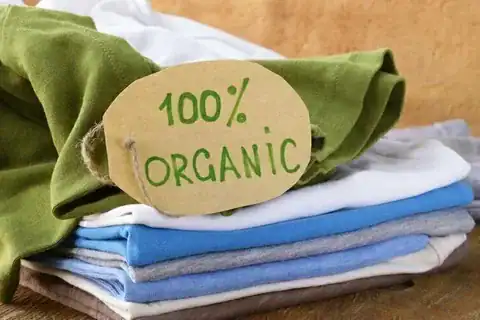
The global shift toward environmental responsibility and ethical consumption has significantly influenced the textile and apparel industry, leading to rapid growth in the sustainable fabrics market. Sustainable fabrics are materials produced with minimal environmental impact, reduced resource consumption, and improved circularity. These fabrics include organic cotton, recycled polyester, bamboo fiber, hemp, Tencel, and other eco-friendly textiles designed to lower carbon emissions, reduce water usage, and eliminate harmful chemicals.
According to Market Research Future, The Sustainable Fabrics Market Size was estimated at 32.74 USD Billion in 2024. The Sustainable Fabrics industry is projected to grow from 36.83 USD Billion in 2025 to 119.63 USD Billion by 2035, exhibiting a compound annual growth rate (CAGR) of 12.5% during the forecast period 2025 – 2035.
Increasing consumer awareness of climate change, government initiatives promoting eco-friendly production, and the growing demand for transparent supply chains are driving widespread adoption of sustainable fabrics across fashion, home textiles, sportswear, and industrial applications. As sustainability becomes a central pillar of global manufacturing, the sustainable fabrics market continues to evolve with new materials, innovative technologies, and circular design practices.
Market Dynamics
1. Market Drivers
a. Rising Consumer Awareness & Preference for Eco-Friendly Products
Consumers worldwide are becoming more conscious of the environmental impact associated with fast fashion and traditional textile processes. There is growing demand for low-impact fabrics that are biodegradable, recyclable, or produced through ethical sourcing. This behavioral shift is one of the strongest drivers of the sustainable fabrics market.
b. Government Regulations Promoting Sustainability
Many governments and regulatory bodies are enforcing stricter rules on water pollution, waste disposal, and chemical usage in textile production. These regulations encourage the adoption of cleaner, greener materials and promote responsible manufacturing, pushing industries to replace conventional fabrics with sustainable alternatives.
c. Growth of Circular Economy Initiatives
Circular fashion emphasizes long-life products, recycling, reusability, and reduced waste. Sustainable fabrics play a crucial role in supporting circular systems by offering lower-impact raw materials that can be repurposed or biodegraded easily. Growing interest in circularity is accelerating market expansion.
d. Technological Advancements in Textile Manufacturing
Innovations such as closed-loop production, bio-based fibers, and waterless dyeing technologies are making sustainable fabrics more viable, cost-effective, and versatile. These advancements increase adoption across apparel, home furnishing, automotive textiles, and industrial applications.
2. Market Restraints
a. High Production Costs
Eco-friendly materials often cost more to produce due to limited supply, labor-intensive practices, or advanced technologies. These higher costs can make sustainable fabrics less accessible in price-sensitive markets.
b. Limited Material Availability
Certain sustainable fibers, such as organic cotton or hemp, require specific growing conditions or longer production cycles. Limited crop yield and availability restrict consistent supply for manufacturers.
c. Lack of Standardization in Sustainability Claims
The market faces challenges due to inconsistent definitions of sustainability and widespread greenwashing. The absence of universal certification systems can undermine consumer trust and slow adoption.
Get Free Sample Copy of Report @ https://www.marketresearchfuture.com/sample_request/7435
3. Market Opportunities
a. Growing Adoption in Fashion Industry
Fashion brands are increasingly committing to sustainability targets, using eco-friendly fabrics to reduce carbon footprint and enhance transparency. The shift toward slow fashion presents long-term growth opportunities for sustainable textile producers.
b. Expansion of Recycled Fabric Solutions
Recycled polyester, nylon, cotton, and blended fibers made from post-consumer waste (e.g., plastic bottles, discarded textiles) are gaining popularity. Innovations in textile recycling can significantly expand market potential.
c. Increasing Demand in Sportswear & Activewear
High-performance fabrics made from sustainable materials are rising in popularity as consumers seek breathable, durable, and eco-friendly options for sportswear.
d. Growth of Biodegradable and Bio-Based Fibers
Research into next-generation sustainable materials—such as algae-based textiles, lab-grown leather, banana fiber, and pineapple leaf fiber—offers emerging opportunities for new product segments.
Emerging Trends
1. Rise of Circular Fashion Models
Textile recycling programs, clothing take-back initiatives, and closed-loop manufacturing systems are becoming mainstream, driving sustainable fabric demand.
2. Digital Transparency Tools
Technologies like blockchain and traceability platforms help track fabric origin, ensuring ethical production and building consumer trust.
3. Innovations in Dyeing & Finishing Technologies
Waterless dyeing, natural pigment dyes, and enzymatic finishing methods reduce environmental impact and support sustainable material production.
4. Eco-Friendly Performance Fabrics
Hybrid fabrics combining sustainability with high performance—such as moisture-wicking, UV-resistant, and antimicrobial properties—are gaining popularity in sportswear and outdoor wear.
5. Collaboration Across the Supply Chain
Manufacturers, retailers, and raw material producers increasingly collaborate to develop accessible, affordable sustainable fabric solutions.
Buy Now @ https://www.marketresearchfuture.com/checkout?currency=one_user-USD&report_id=7435
Future Outlook
The sustainable fabrics market is expected to grow significantly over the next decade as consumers, brands, and governments prioritize environmental responsibility. Asia-Pacific and Europe will likely lead the market, supported by strong manufacturing bases and sustainability regulations.
Advancements in recycling technology, increasing investment in bio-based materials, and the global push toward carbon neutrality will shape the future of the industry. The shift from traditional textiles to sustainable alternatives will accelerate, making eco-friendly fabrics a standard rather than a niche offering.
Challenges such as high production costs, limited material availability, and inconsistent certification standards will continue to affect the market. However, ongoing innovation, government support, and increased investment in green technologies are expected to overcome these barriers.
Overall, sustainable fabrics are poised to play a crucial role in transforming the textile industry into a more ethical, resource-efficient, and environmentally responsible sector.
The sustainable fabrics market is undergoing rapid expansion driven by rising environmental awareness, stricter regulations, and the global shift toward eco-friendly lifestyles. With applications across apparel, home textiles, sportswear, and industrial sectors, sustainable fabrics represent the future of textile manufacturing.
Browse Regional Related Reports:
North America Sustainable Fabrics Market
Japan Sustainable Fabrics Market
Canada Sustainable Fabrics Market
Brazil Sustainable Fabrics Market
South Korea Sustainable Fabrics Market
Germany Sustainable Fabrics Market
France Sustainable Fabrics Market
Europe Sustainable Fabrics Market
APAC Sustainable Fabrics Market
Italy Sustainable Fabrics Market
