The Rubber Valve Stem Market plays a critical role in the global automotive and industrial ecosystem. Rubber valve stems are essential components used in pneumatic tires to maintain proper air pressure, ensure driving safety, and improve fuel efficiency. These small yet vital parts are widely used across passenger vehicles, commercial vehicles, two-wheelers, and off-highway equipment.
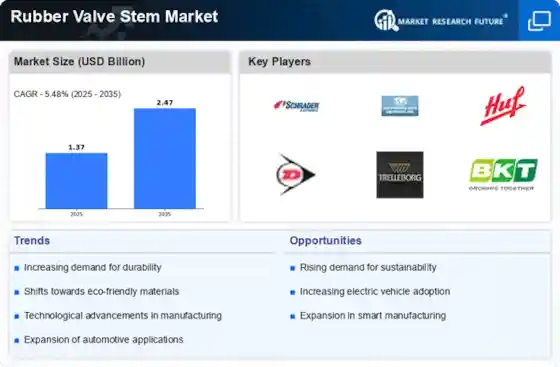
As per MRFR analysis, the Rubber Valve Stem Market Size was estimated at USD 1.373 billion in 2024. The industry is projected to grow from USD 1.448 billion in 2025 to USD 2.47 billion by 2035, registering a CAGR of 5.48% during the forecast period (2025–2035). Industrial expansion, growing vehicle parc, and stringent safety standards are key contributors to this growth trajectory.
Market Drivers
Several industrial and economic factors are driving the growth of the rubber valve stem market globally:
Rising Automotive Production
Global automotive manufacturing continues to expand, especially in emerging economies. Increased production of passenger cars, commercial vehicles, and two-wheelers directly boosts demand for rubber valve stems as standard tire components.
Growing Tire Replacement Market
Frequent tire replacements due to wear and tear significantly contribute to aftermarket demand for rubber valve stems. Replacement cycles in commercial fleets and personal vehicles ensure consistent market growth.
Emphasis on Vehicle Safety
Proper tire inflation is critical for road safety. Governments and automotive regulators emphasize tire safety standards, indirectly driving demand for high-quality rubber valve stems.
Cost-Effectiveness and Flexibility
Rubber valve stems are preferred for their affordability, corrosion resistance, flexibility, and compatibility with a wide range of tire types, making them ideal for mass-market vehicles.
Get a Sample PDF Brochure of the Report https://www.marketresearchfuture.com/sample_request/27668
Regulatory Landscape
Regulations related to vehicle safety, tire performance, and emissions play a vital role in shaping the rubber valve stem industry. Automotive standards across regions mandate reliable tire pressure maintenance systems, encouraging manufacturers to adopt certified valve stem solutions.
In regions such as North America and Europe, stringent automotive safety norms and inspection requirements increase demand for durable and compliant rubber valve stems. Meanwhile, developing regions are gradually adopting international safety benchmarks, further supporting market expansion.
Market Objectives
The primary objectives of the rubber valve stem market include:
- Enhancing tire safety and air retention efficiency
- Developing durable, heat-resistant, and pressure-stable valve stems
- Supporting sustainable rubber materials and eco-friendly production
- Meeting evolving automotive and industrial standards
- Expanding presence in aftermarket and OEM supply chains
These objectives align with broader automotive industry goals of safety, efficiency, and sustainability.
Key Players
The global rubber valve stem market is moderately competitive, with key players focusing on product quality, durability, and distribution reach. Major industry participants include:
- Schrader International
- Continental AG
- Pacific Industrial Co., Ltd.
- Dill Air Controls Products
- Alligator Ventilfabrik GmbH
- Hamaton Automotive Technology
- TRIATEK LLC
These companies invest in R&D, material innovation, and partnerships with tire manufacturers and automotive OEMs to strengthen their market position.
Market Challenges
Despite positive growth prospects, the market faces several challenges:
- Competition from Metal Valve Stems
Metal valve stems offer higher durability and are increasingly used in high-performance and premium vehicles, posing competition to rubber variants.
- Raw Material Price Volatility
Fluctuations in natural and synthetic rubber prices impact production costs and profit margins for manufacturers.
- Quality and Counterfeit Products
The presence of low-quality and counterfeit valve stems in the aftermarket affects brand reputation and safety compliance.
- Technological Shifts
Growing adoption of advanced TPMS (Tire Pressure Monitoring Systems) requires compatibility improvements in traditional valve stem designs.
Buy Now @ https://www.marketresearchfuture.com/checkout?currency=one_user-USD&report_id=27668
Market Segmentation
The rubber valve stem market can be segmented based on type, application, and region.
By Type
- Snap-in Rubber Valve Stems
- Clamp-in Rubber Valve Stems
By Application
- Passenger Vehicles
- Commercial Vehicles
- Two-Wheelers
- Off-Highway Vehicles
By Distribution Channel
- OEM
- Aftermarket
Passenger vehicles dominate the market due to high production volumes and frequent tire replacement cycles.
Future Outlook
The future of the rubber valve stem market looks promising, driven by steady automotive growth, expanding vehicle ownership, and rising safety awareness. Emerging economies in Asia-Pacific are expected to witness the fastest growth due to increasing vehicle production and infrastructure development.
Technological advancements in rubber compounds, improved resistance to heat and pressure, and integration with smart tire systems will further enhance product demand. Sustainability trends may also encourage the use of recyclable and eco-friendly rubber materials.
By 2035, the market is expected to reach USD 2.47 billion, reflecting its essential role in the automotive and industrial value chain.
Browse More Reports:
Multi Layer Blown Films Market
Nordic Plastic Packaging Film Market
Reusable Box MarketGardening Equipment Market
Residential Lighting Fixture Market
Automatic Labeling Machine Market
Plastic Bottles Container Market
