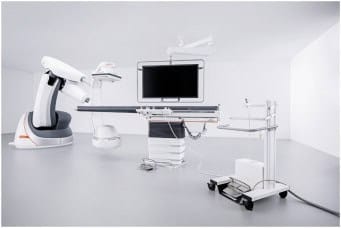

According to Next Move Strategy Consulting, the Latin America Cone-Beam Computed Tomography (CBCT) Systems Market is predicted to reach USD 89 million with a CAGR of 14% till 2030. The Latin America Cone-Beam Computed Tomography (CBCT) Systems Market is projected to experience significant expansion, driven by increasing demand for advanced diagnostic imaging solutions in dental, orthopedic, and other medical applications. With its unique ability to provide precise 3D imaging, CBCT technology is becoming an indispensable tool in modern healthcare.
Start with a FREE Sample – Download Now!
Understanding CBCT Systems
Cone-Beam Computed Tomography (CBCT) is a specialized imaging technique that uses cone-shaped X-ray beams and advanced software to produce detailed 3D images of structures such as bones, teeth, and soft tissues. CBCT systems offer unparalleled accuracy, enabling healthcare providers to make more informed diagnostic and treatment decisions.
Key benefits of CBCT systems include:
- Enhanced Image Quality: High-resolution imaging with minimal distortion.
- Lower Radiation Dose: Reduced exposure compared to traditional CT scans.
- Versatility: Applications across dental, ENT, orthopedic, and oncology fields.
Market Drivers
- Rising Prevalence of Dental Disorders
- Growing cases of dental issues, such as cavities, periodontal diseases, and impacted teeth, are fueling demand for CBCT systems in dental clinics and hospitals.
- Technological Advancements
- Continuous innovations, including AI-powered imaging and portable CBCT systems, are enhancing diagnostic accuracy and convenience.
- Increasing Healthcare Investments
- Governments and private entities in Latin America are investing heavily in healthcare infrastructure, boosting the adoption of advanced imaging technologies like CBCT systems.
- Growing Awareness About Early Diagnosis
- Rising awareness about the importance of early and accurate diagnosis is driving the adoption of CBCT technology for various medical conditions.
Challenges in the Market
Despite its promising growth, the CBCT systems market in Latin America faces several challenges:
- High Cost of Equipment: The substantial upfront cost of CBCT systems limits their accessibility, especially for small clinics and facilities in underdeveloped regions.
- Limited Skilled Professionals: The need for specialized training to operate CBCT systems effectively can hinder their widespread adoption.
- Regulatory Hurdles: Strict compliance requirements for radiation safety and medical device approvals can delay product launches and market penetration.
Applications of CBCT Systems
- Dental and Orthodontics:
- CBCT systems are widely used for dental implant planning, orthodontic evaluations, and temporomandibular joint (TMJ) assessments.
- Ear, Nose, and Throat (ENT):
- CBCT technology aids in diagnosing sinus disorders, airway obstructions, and other ENT conditions.
- Orthopedics:
- Precise imaging of bones and joints enables accurate diagnosis and treatment of fractures, deformities, and other orthopedic issues.
- Oncology:
- CBCT systems play a critical role in tumor detection and treatment planning, particularly in head and neck cancers.
Competitive Landscape
Key players in the Latin America CBCT systems market include:
- Carestream Health
- Danaher Corporation
- Planmeca Group
- Dentsply Sirona
- Vatech Co., Ltd.
- Cefla Group
- Asahi Roentgen Co., Ltd.
- CurveBeam LLC
- J. Morita MFG. Corp.
- NewTom (QR s.r.l.)
These companies are focusing on product innovation, strategic partnerships, and regional expansions to strengthen their market presence.
Market Segmentation
The Latin America CBCT Systems Market can be segmented based on:
- Application:
- Dental
- ENT
- Orthopedics
- Oncology
- Others
- End User:
- Hospitals
- Specialty Clinics
- Diagnostic Centers
- Technology:
- Standing/Seated Systems
- Ceiling-Mounted Systems
- Portable Systems
Conclusion
The Latin America Cone-Beam Computed Tomography (CBCT) Systems Market is poised for robust growth as healthcare providers increasingly adopt advanced diagnostic imaging technologies. By addressing challenges and leveraging emerging opportunities, stakeholders can capitalize on the immense potential of this market.
