
According to Next Move Strategy Consulting, the Mexico All-Terrain Vehicle (ATV) And Utility Task Vehicle (UTV) Market is projected to experience remarkable growth, with a forecasted market value of USD 2 billion by 2030 and a Compound Annual Growth Rate (CAGR) of 5%. This growth highlights the increasing demand for off-road vehicles in both recreational and utility sectors, driven by technological advancements, industrial applications, and Mexico’s strategic positioning as a manufacturing hub.
Key Market Insights
ATVs and UTVs: A Versatile Off-Road Solution
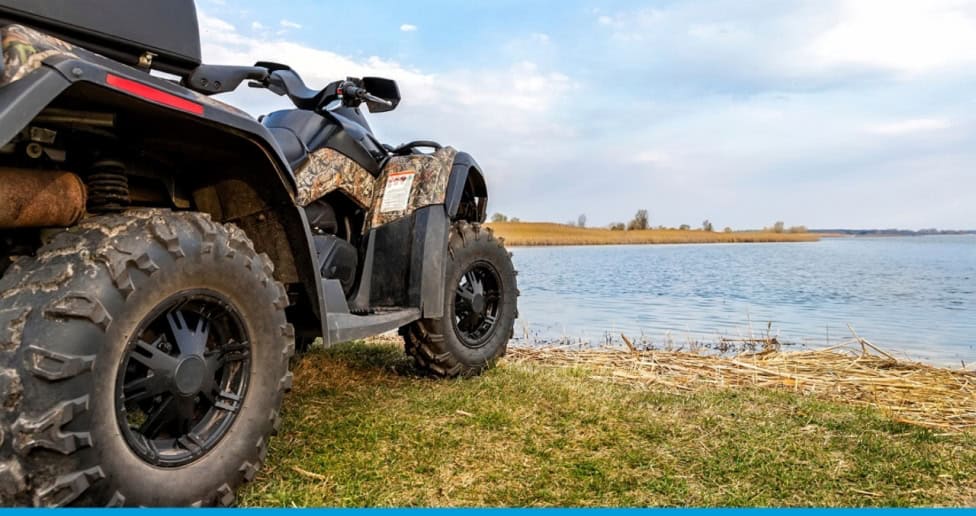
ATVs, characterized by their compact size, low-pressure tires, and handlebar steering, are designed to traverse various terrains such as dirt trails, mud, sand, and rocky surfaces. These vehicles are equipped with powerful engines and rugged suspension systems to provide exceptional traction and stability, making them ideal for recreational activities like off-roading and trail riding, as well as utility applications in agriculture, forestry, and search-and-rescue operations.
In contrast, UTVs are larger, more robust, and feature a cabin-like structure with side-by-side seating, offering enhanced passenger capacity and cargo-carrying capabilities. Renowned for their durability and versatility, UTVs are used in industries such as construction, landscaping, and public services. Leading brands like Polaris, Yamaha, Kawasaki, and Honda have contributed to the popularity of UTVs by offering advanced models tailored to both work and recreation.
Mexico: A Growing Manufacturing Hub for Recreational Vehicles
Strategic Advantages
Mexico’s well-established automotive industry and robust supplier network make it a prime location for the production of recreational vehicles (RVs) and off-road vehicles (ORVs). Global manufacturers such as Polaris have leveraged Mexico’s cost-effective labor and proximity to the U.S. market. Polaris’ 700,000-square-foot facility in Monterrey, which employs approximately 2,500 workers, exemplifies this trend. The plant features five assembly lines dedicated to producing Side-by-Side vehicles, engines, and other components, underscoring Mexico’s pivotal role in the global ORV supply chain.
Driving Growth in the Recreational Vehicle Market
Mexico’s strategic location and economic advantages enable manufacturers to streamline production processes and cater to the increasing demand for ATVs and UTVs in the U.S. and other markets. The country’s ability to attract investment from leading global brands highlights its growing significance in the recreational vehicle industry.
Challenges Impacting Market Growth
Limited Off-Road Access
While the ATV and UTV market in Mexico shows significant promise, certain challenges restrain its growth. Restricted access to off-road areas, driven by environmental regulations, land-use policies, and private property restrictions, limits recreational and utility use. These factors pose hurdles for manufacturers and enthusiasts alike.
Safety Concerns
The off-road nature of ATVs and UTVs inherently involves risks, particularly for inexperienced riders. Accidents caused by unsafe or irresponsible behavior have raised concerns about safety. To address these issues, industry stakeholders emphasize the need for safety regulations, training programs, and the promotion of responsible riding practices.
Technological Advancements Driving Market Expansion
Enhancing Safety and Performance
To mitigate safety concerns and improve the user experience, manufacturers are incorporating advanced GPS and vehicle tracking systems into ATVs and UTVs. These innovations enhance navigation, increase security, and reduce the likelihood of accidents. Additionally, the integration of cutting-edge suspension systems, more efficient engines, and electric powertrains aligns with the growing demand for environmentally friendly and high-performance off-road vehicles.
A Lucrative Opportunity for Market Players
The development of ATVs and UTVs with advanced safety and performance features presents a significant growth opportunity for market leaders such as Polaris, BRP, Honda, and Yamaha. These advancements are expected to attract a broader customer base, further propelling the market’s expansion.
Competitive Landscape
The Mexico ATV and UTV market is characterized by intense competition among key players, including:
- Polaris, Inc.
- BRP, Inc.
- Honda Motor Co., Inc.
- Kawasaki Heavy Industries Ltd.
- Yamaha Motor Co., Ltd.
- Textron, Inc.
- CF Moto
- Suzuki Motor Corporation
- KYMCO Group
- Kubota Corporation
These companies are investing in R&D to introduce innovative models that cater to diverse consumer needs and preferences. Strategic partnerships, mergers, and acquisitions further enhance their market presence.
Market Segmentation
The Mexico ATV and UTV market is segmented based on type, displacement, fuel type, and application:
By Type
- ATV
- UTV
By Displacement
- Below 400 cc
- 400–800 cc
- Above 800 cc
By Fuel Type
- Gasoline Powered
- Diesel Powered
- Electric Powered
By Application
- Military
- Agriculture
- Recreation
- Other Applications
Key Benefits of the Market Report
- Comprehensive quantitative analysis of the market from 2024 to 2030, highlighting growth opportunities.
- Detailed insights into market trends, including emerging investment pockets.
- Examination of key drivers, restraints, and opportunities shaping the industry.
- Competitive analysis, including market share and SWOT analysis of major players.
- Value chain analysis, offering a clear understanding of stakeholder roles in the market.
Conclusion
The Mexico ATV and UTV market is on a robust growth trajectory, driven by technological advancements, strategic manufacturing advantages, and increasing demand across recreational and utility sectors. Despite challenges related to off-road access and safety concerns, the market’s potential remains substantial. As industry players continue to innovate and expand their offerings, the future of ATVs and UTVs in Mexico looks promising.
