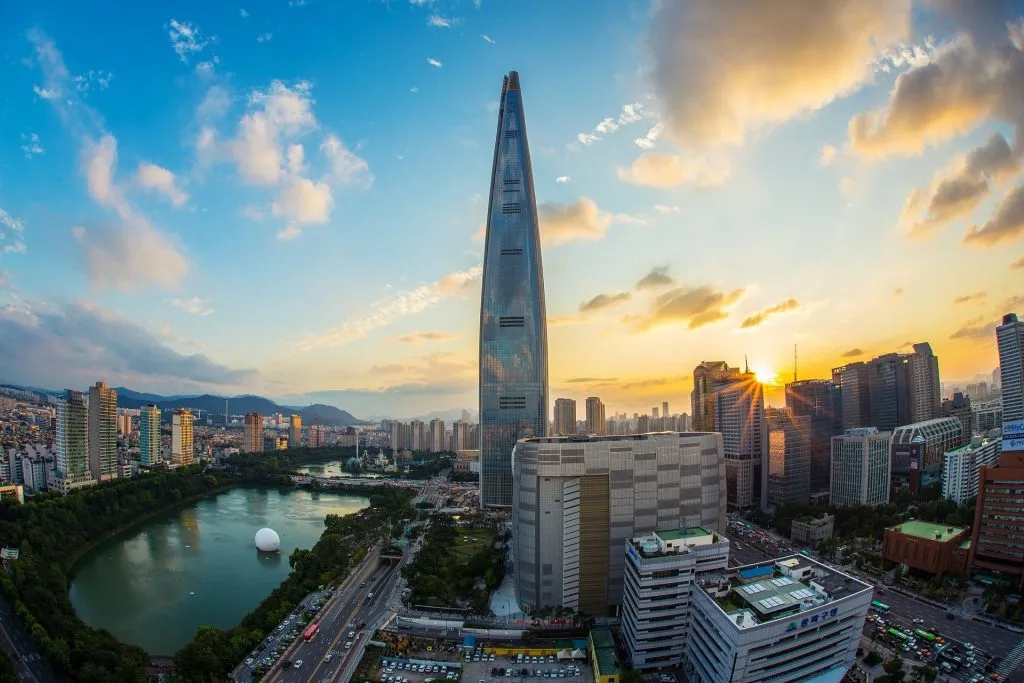
According to Next Move Strategy Consulting, the South Korea Real Estate Market is projections estimating a market size of USD 553 million by 2030, at a CAGR of 8%. This growth will be driven by key factors, including the increasing demand for residential and commercial properties, the rise of smart home technologies, and the transformation of the market due to the growing trend of remote work.
Market Overview
The South Korea Real Estate Market is a multifaceted industry involving the acquisition, development, and management of various types of properties. This expansive market includes residential buildings catering to individuals and families, commercial complexes that house businesses, and industrial infrastructure supporting manufacturing and logistics. Additionally, the development of government infrastructure plays a key role in urban planning and public services, further bolstering market growth.
Explore the Benefits with a FREE Sample!
The real estate market in South Korea is anticipated to grow at a compound annual growth rate (CAGR) of 9%, reaching USD 553 million by 2030. The sector’s diverse activities—from property sales and rentals to investment in real estate development—contribute significantly to the economy while offering substantial opportunities for investors, developers, and homeowners alike.
Key Market Segments
By Property Type:
- Residential Buildings & Dwellings
The residential sector remains one of the most lucrative segments of the South Korea real estate market. With a growing urban population, an increased demand for modern, energy-efficient homes, and a heightened focus on quality living, residential properties are expected to maintain steady demand. - Commercial Complexes
As South Korea continues to solidify its position as a hub for business and international trade, commercial complexes will see steady growth. The need for office spaces, retail stores, and mixed-use developments will continue to rise as more businesses expand their operations. - Industrial Infrastructure
The industrial real estate segment, which includes warehouses, manufacturing facilities, and logistics hubs, is integral to the country’s thriving economy. With technological advancements and the rise of e-commerce, industrial infrastructure will experience sustained demand, especially in key areas like logistics and distribution centers. - Government Infrastructure
Government-led development projects in the real estate sector, including public housing and urban development initiatives, will also contribute to the growth of the market. These initiatives aim to address housing shortages and foster smart city development, aligning with South Korea’s broader economic goals.
By Business Type:
- Sales
Property sales continue to be a primary avenue for both real estate companies and investors. With shifting preferences for home ownership and the changing needs of buyers, sales remain a key focus for market participants. - Rental
With an increasing number of individuals opting for renting over purchasing homes, particularly in urban centers like Seoul, the rental market is poised for significant expansion. The flexibility of rental agreements, coupled with the rise of furnished apartments and short-term rentals, is contributing to this growing demand. - Lease
The lease market, particularly in the commercial real estate sector, remains vital as businesses seek to optimize costs while securing prime locations. Flexible leasing terms and contracts are gaining popularity, providing businesses with more options.
Market Drivers
The South Korean real estate market’s rapid evolution can be attributed to a range of factors, from shifting consumer preferences to the impact of global economic and technological trends. Below are some of the key drivers fueling the market’s growth:
- Technological Advancements
Technological innovation is reshaping the South Korea real estate market. The integration of smart home features—such as energy-efficient technologies, automation systems, and cutting-edge home security—has made properties more desirable and valuable. This trend is in response to the growing demand for higher-quality living and energy conservation among homebuyers. As digital solutions continue to gain traction, the market is also witnessing a surge in online property platforms, virtual tours, and data analytics-driven real estate services. These advancements are making property transactions more seamless, transparent, and accessible to a broader audience.
- Remote Work and Changing Property Preferences
The shift towards remote work has had a profound effect on the real estate market. As companies adopt flexible work models, many employees are seeking homes that prioritize comfort and lifestyle over proximity to traditional office spaces. This has led to increased demand for properties located outside major urban centers, particularly in suburban or more rural areas where quality of life is higher and space is more abundant. As a result, the residential real estate sector is seeing changes in the types of properties that are in demand.
- Urbanization and Smart Cities
South Korea’s ongoing urbanization, coupled with its drive to develop smart cities, has led to increased investments in real estate projects. The government’s focus on creating sustainable and technology-driven urban environments is creating opportunities in both residential and commercial sectors. These smart cities are equipped with cutting-edge infrastructure, energy-efficient buildings, and enhanced digital connectivity, which appeals to a tech-savvy population and international investors.
- Aging Population and Housing Needs
South Korea’s aging population is contributing to shifts in housing demands. As more seniors require accessible living spaces, developers are responding with age-friendly housing options, including low-rise apartments, retirement communities, and assisted-living developments. Additionally, the demand for healthcare-related real estate, such as nursing homes and senior care facilities, is also increasing, shaping future development trends.
Key Market Players
Several leading real estate companies are driving growth and innovation in the South Korea real estate market. These key players are not only focusing on residential properties but also expanding their portfolios to include commercial, industrial, and infrastructure developments. Some of the prominent market players include:
- Samsung C&T Corporation
- Daewoo Engineering & Construction
- Kye-Ryong Construction Industrial Co Ltd
- Hoban Construction
- Hyosung Corp
- CBRE Korea
- JLL Korea
- ESR Kendall Square REIT
- Korea Real Estate Investment & Trust Co., Ltd
- HDC Holdings Co., Ltd
- Cushman & Wakefield
- Booyoung Group
- Dongbu Corporation
- Hines Interests Limited
- Knight Frank
These companies are leveraging a mix of traditional real estate strategies and innovative approaches, including smart technology integration, to meet the evolving needs of the market.
Environmental Considerations and Sustainable Development
As the real estate market expands, environmental concerns have come to the forefront. The impact of construction and property development on the environment has prompted both the government and industry leaders to adopt more sustainable practices. In response to growing awareness of ecological issues, green building standards are becoming more stringent, and eco-friendly construction methods are gaining popularity. These include the use of energy-efficient materials, sustainable construction practices, and the integration of renewable energy sources in new developments.
Governments are also implementing policies that encourage sustainable development and energy-efficient construction. South Korea’s commitment to reducing carbon emissions and enhancing environmental sustainability will further shape the real estate market in the coming years.
Conclusion
The South Korea real estate market is on the path to substantial growth, driven by a combination of technological advancements, evolving consumer preferences, and changing demographic trends. With the market set to reach USD 553 million by 2030, the next decade promises significant opportunities for investors, developers, and industry players. As the market continues to adapt to shifts in demand, from remote work trends to sustainability concerns, the landscape will remain dynamic, offering exciting prospects for those navigating the evolving sector.
