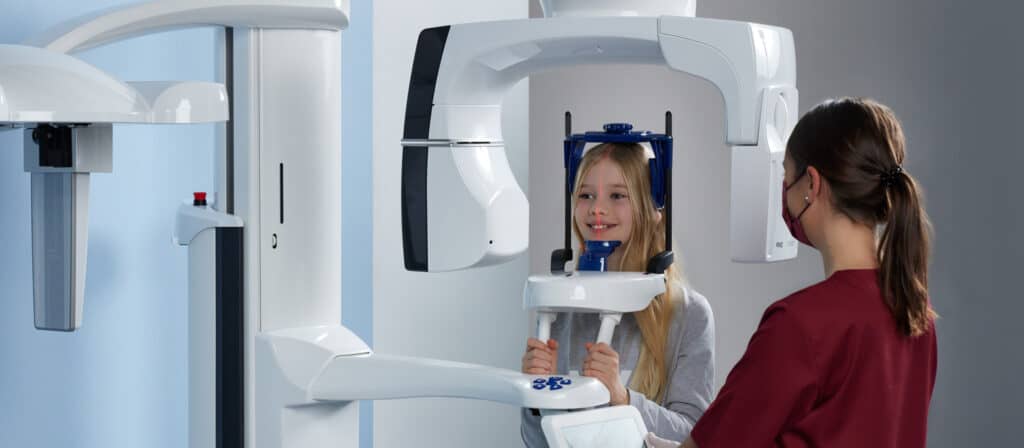
According to Next Move Strategy Consulting, the Japan Cone-Beam Computed Tomography (CBCT) Systems Market is poised to achieve remarkable growth, with revenue expected to reach USD 308 million by 2030, growing at a compound annual growth rate (CAGR) of 13% till 2030. CBCT, also referred to as C-arm CT, cone beam volume CT, flat panel CT, or Digital Volume Tomography (DVT), represents an advanced medical imaging technique. It employs a cone-shaped X-ray beam and computer algorithms to generate precise three-dimensional images of the human body.
CBCT technology finds extensive use in fields such as dentistry, oral and maxillofacial surgery, and orthodontics, owing to its ability to deliver high spatial resolution and reduced distortion. This innovation has transformed medical diagnostics and treatment planning, allowing healthcare professionals to visualize anatomical structures with unparalleled clarity.
Market Drivers
Rising Aging Population Spurs Market Growth
Japan’s demographic composition, characterized by a rapidly aging population, serves as a significant driver of the CBCT system market. The elderly population in Japan is the highest globally, with 32.0% of females and 26.0% of males aged 65 and above. As aging is often accompanied by dental and orthopedic issues such as dental caries, gum disease, and osteoporosis, the demand for CBCT scans has surged. This technology’s ability to enhance the diagnosis and treatment of such conditions has positioned it as an essential tool in geriatric healthcare.
Government Backing Promotes Adoption
Government initiatives supporting advanced healthcare technologies further bolster market growth. Policies aimed at funding and encouraging the adoption of CBCT systems have ensured that these technologies are widely available. Healthcare providers benefit from this support, enabling early disease detection, precise treatment planning, and improved patient outcomes. Such proactive measures underscore the importance of CBCT in modern medical practices.
Market Restraints
High Costs Impede Widespread Adoption
Despite its advantages, the high cost of CBCT machines represents a significant barrier to market expansion. Expenses extend beyond acquisition, encompassing installation, maintenance, and training. These financial burdens can deter smaller clinics or facilities with limited budgets from investing in CBCT systems, thereby restricting accessibility and adoption.
Market Opportunities
Technological Advancements Open New Frontiers
The integration of Artificial Intelligence (AI) into CBCT software marks a transformative opportunity for the market. AI algorithms enhance image analysis, enabling automated detection of anatomical structures, lesions, and abnormalities. This technological leap not only improves diagnostic accuracy but also optimizes treatment planning and workflow efficiency. AI-powered CBCT systems can simulate treatment outcomes, offering personalized and precise care.
Market Segmentation
By Patient Position:
- Seated
- Supine
- Standing
By Detector Type:
- Image Intensifier
- Flat-Panel Detector
By Field of View:
- Small FOV Systems
- Medium FOV Systems
- Large FOV Systems
By Application:
- Dental
- ENT Applications
- Orthopedic Conditions
- Neural & Spine
- Lung Cancer
- Veterinary
By End User:
- Dental Clinics
- Hospitals
- Others
Competitive Landscape
The Japan CBCT market is characterized by the presence of key players such as:
- Dentsply Sirona
- Koninklijke Philips N.V.
- Vatech Co., Ltd.
- Envista Holdings
- Planmeca OY
- J. Morita Mfg. Corp.
- Cefla S.C.
- Hefei Meyer Optoelectronic Technology INC
- Xoran Technologies LLC
- Acteon Group
- Hitachi Ltd.
- Genoray Co Ltd
- Asahi Roentgen Ind. Co. Ltd.
- OSSTEM IMPLANT CO., LTD.
- Largev Instrument Corp. Ltd.
- Carestream Dental LLC
- Curvebeam AI
- HDXWILL
These companies are actively engaged in innovations, collaborations, and strategic partnerships to strengthen their market presence.
Benefits of the Market Study
This report offers a detailed analysis of market trends, including current and future scenarios. Key drivers, restraints, and opportunities are examined, alongside their impact on market dynamics. Additionally, the study highlights investment pockets, competitive insights, and SWOT analysis to provide a comprehensive understanding of the Japan CBCT market.
Challenges and Recommendations
Challenge: High costs remain a barrier to adoption. For smaller clinics, the initial investment and associated expenses can be prohibitive.
Recommendation: Government subsidies, financial incentives, and leasing options could alleviate the financial burden, encouraging broader adoption across all healthcare facilities.
Future Outlook
The Japan CBCT market’s trajectory is promising, driven by technological advancements, a supportive regulatory environment, and increasing demand from an aging population. Innovations like AI integration are set to redefine the capabilities of CBCT systems, making them indispensable in healthcare. With targeted strategies addressing cost challenges, the market is poised for sustainable growth.
Conclusion
The Japan Cone-Beam Computed Tomography (CBCT) Systems Market is at the forefront of medical imaging innovation. As the demand for precise diagnostic tools grows, CBCT systems offer unmatched benefits, driving their adoption across various medical and dental applications. While challenges persist, concerted efforts by stakeholders can unlock the market’s full potential, ensuring improved healthcare outcomes for patients and practitioners alike.
