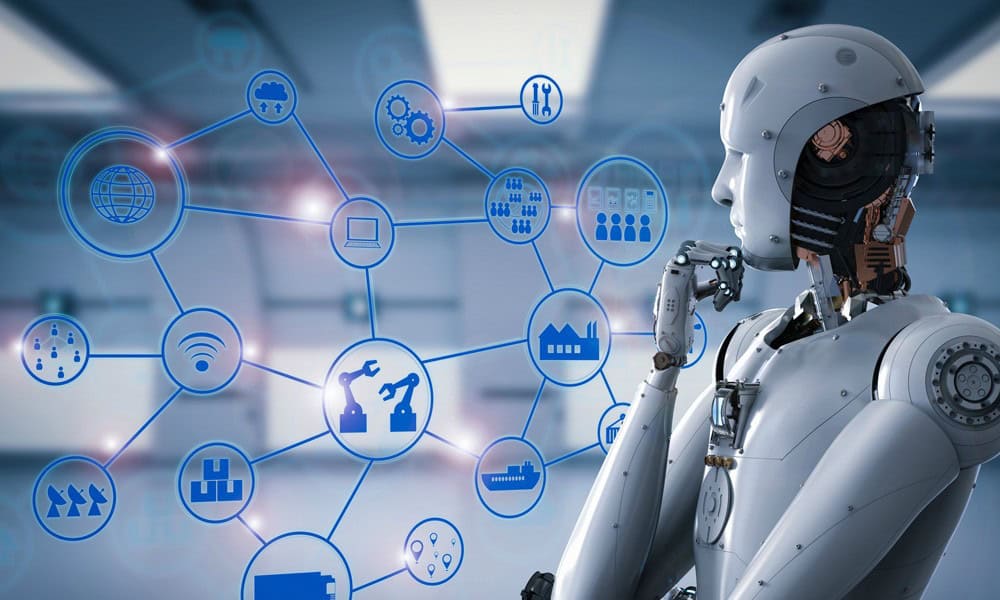
According to Next Move Strategy Consulting, the India Robot Software Market, is set for exponential growth, projected to reach USD 1312 million by 2030, growing at a remarkable Compound Annual Growth Rate (CAGR) of 28% by 2030. This surge reflects the increasing integration of robotics across a variety of industries including manufacturing, healthcare, logistics, entertainment, and more.
Market Overview
Robot software encompasses a suite of programs and algorithms that control and manage the operations of robots and robotic systems. These systems are becoming integral to industrial automation and are driving operational efficiency and innovation across various sectors. At the heart of this software are key functionalities that manage robot movements, behaviors, and decision-making processes through artificial Intelligence (AI) and machine learning (ML) algorithms.
Download Your Free Sample Today!
In industrial settings, robot software enables precise task execution by coordinating robotic components like motors and actuators. Moreover, by interpreting real-time data from an array of sensors, including cameras, Light Detection and Ranging (LIDAR) sensors, and tactile sensors, the software provides robots with an understanding of their environment, allowing for intelligent decision-making and adaptive learning. As these systems gain autonomy, their ability to collaborate in real-time, share data, and optimize operations across various industries is driving significant market momentum.
Safety and Compliance: A Key Market Driver
One of the principal factors fueling the growth of the India robot software market is the rising focus on workplace safety and regulatory compliance. As industries increasingly adopt robotic systems, ensuring safe and compliant operations has become a priority. Robot software plays a pivotal role in this by implementing safety features, conducting risk assessments, and aligning operations with industry regulations.
Discover More – Get a FREE Sample Today!
Furthermore, with the evolving regulatory landscape, businesses are actively seeking robot software solutions capable of real-time monitoring, reporting, and documenting safety and compliance metrics. By addressing these needs, robot software not only mitigates risks but also drives broader adoption across industries such as manufacturing, healthcare, and logistics.
Industry 4.0 and IoT: Catalysts for Growth
The convergence of Industry 4.0 and the Internet of Things (IoT) has created a strong demand for robot software solutions in India. Industry 4.0 refers to the integration of digital technologies in manufacturing, fostering an environment of smart factories and intelligent production systems. By incorporating IoT-enabled devices and sensors, businesses can collect valuable data in real-time, leading to better decision-making and more efficient operations.
The synergy between Industry 4.0 principles and IoT is further enhancing the capabilities of robot software. With real-time data analysis, predictive maintenance, and adaptive control algorithms, robot software is helping organizations optimize the performance of robotic systems. The need for greater agility, flexibility, and scalability within manufacturing processes is driving the adoption of robotic solutions, further propelling market growth.
Challenges: High Initial Investment in Hardware
Despite the promising growth, one of the major challenges for the India robot software market is the substantial upfront investment required for acquiring robot hardware. The cost of robotic systems, along with associated peripherals and equipment, can be prohibitively high, especially for small and medium-sized enterprises (SMEs). This significant financial barrier may slow down the adoption of robot software solutions, despite the potential long-term benefits.
Additionally, the high initial investment tends to extend the return on investment (ROI) period, making the scalability of robot deployments a concern for many organizations. As such, reducing the cost of robot hardware and facilitating more affordable entry points will be critical in unlocking the full potential of the market.
Emerging Opportunities: Digital Twins and Simulation Software
The development of digital twins and simulation software represents a new frontier for the India robot software market. Digital twins are virtual replicas of physical robots and their environments, enabling real-time monitoring and predictive maintenance. This technology provides valuable insights that can optimize robot performance, reduce downtime, and improve operational efficiency.
Simulation software further complements digital twins by allowing organizations to test and validate robot software algorithms in diverse scenarios before deployment. These tools not only reduce development time and costs but also enhance scalability and risk management. With the ability to simulate various environments and use cases, businesses can refine their robotic systems before integrating them into real-world operations, driving innovation and adoption.
Competitive Landscape
The India robot software market is highly competitive, with key global players investing heavily in developing innovative solutions. Notable companies driving this growth include:
- IBM
- NVIDIA
- ABB Ltd.
- FANUC
- Teradyne, Inc.
- H2O.ai
- Brain Corp
- CloudMinds
- Clearpath Robotics
- Neurala, Inc.
These players are focusing on advanced AI, machine learning, and robotics technologies to enhance the performance of their robot software solutions. Their efforts are aimed at maintaining a competitive edge in this rapidly evolving market. Strategic collaborations, acquisitions, and continuous product development are some of the key approaches adopted by these companies to further solidify their presence in the market.
Key Segments in the India Robot Software Market
The India robot software market is segmented based on various factors, including software type, robot type, deployment mode, organization size, and industry vertical. These segments offer insights into the diverse applications and customer requirements driving market expansion.
- By Software Type:
- Recognition Software
- Simulation Software
- Predictive Maintenance Software
- Communication Management Software
- Data Management and Analysis Software
- By Robot Type:
- Service Robots (Ground, Aerial, Underwater)
- Industrial Robots (Traditional, Articulated, SCARA, Parallel, Cartesian, Collaborative Industrial Robots)
- By Deployment Mode:
- On-premise
- On-demand
- By Organization Size:
- Large Enterprises
- Small and Medium-sized Enterprises (SMEs)
- By Industry Vertical:
- Banking, Financial Services, and Insurance (BFSI)
- Automotive
- Retail and eCommerce
- Aerospace & Defense
- Healthcare and Life Sciences
- Transportation and Logistics
- Manufacturing
- Telecommunications and IT
- Academia and Research
- Media & Entertainment
Market Forecast and Outlook
The India robot software market is poised to experience significant growth over the coming years, driven by advancements in automation, AI, and IoT technologies. As businesses across industries continue to embrace automation and smart technologies, the demand for robot software will only intensify, creating abundant opportunities for innovation, growth, and competitive differentiation.
Conclusion
The India Robot Software Market is on the verge of a transformative period, with advancements in AI, Industry 4.0, IoT, and digital twin technologies leading the charge. While high initial investment costs for robot hardware remain a barrier, the increasing focus on safety, compliance, and operational efficiency will continue to drive market growth. As digital tools like simulation software and digital twins evolve, they offer new opportunities for organizations to optimize their robotic systems, accelerating the adoption of robot software across industries.
