According to Next Move Strategy Consulting, the Norway Air Spring Market is poised for substantial growth, with projections estimating a market value of USD 22 million by 2030. The market is expected to expand at a compound annual growth rate (CAGR) of 7% by 2030.
The air spring market in Norway is primarily driven by the rising adoption of electric vehicles (EVs), the continued urbanization of the country, and the increasing demand for advanced suspension systems in both the automotive and industrial sectors. These trends are paving the way for improved ride quality, comfort, and stability in vehicles, making air springs an integral component for modern transportation.
Explore the Benefits with a FREE Sample!
Growth Drivers:
- Rising Electric Vehicle (EV) Adoption: The growing popularity of electric vehicles in Norway is a significant driver of the air spring market. According to the European Automobile Manufacturers’ Association (ACEA), EV registrations in Norway surged by 35% from April 2023 to April 2024. As the demand for electric vehicles continues to increase, so does the need for components that enhance ride quality and vehicle stability. Air springs, which are designed to provide superior comfort compared to traditional coil springs, are a key component in ensuring smoother and more stable rides in EVs.
Norway’s commitment to sustainability and its ambitious goals for reducing carbon emissions has positioned the country as a global leader in EV adoption. This is further boosting the demand for advanced suspension technologies like air springs, which are essential for optimizing the performance of electric vehicles.
- Urbanization and the Demand for Efficient Transportation: With urbanization rates in Norway continuing to rise, there is an increasing demand for transportation solutions that provide comfort and efficiency in dense, urban environments. As of 2023, 84% of Norway’s population resided in urban areas, with projections suggesting an annual increase of 1.32% until 2025. This growing urban population is expected to further fuel the demand for air springs, especially in public and commercial transportation systems.
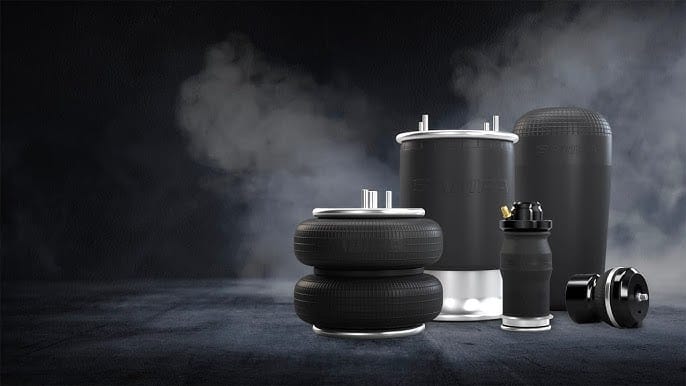
Urban areas require vehicles that can offer smooth and stable rides, even on poorly maintained roads. The flexible, air-filled bladder of air springs makes them an ideal solution for meeting this need, as they help isolate vibrations and shocks, providing a more comfortable ride for passengers. Additionally, air springs contribute to the stability of heavy-duty commercial vehicles, ensuring safer transportation across urban landscapes.
- High Complexity in Air Spring Installation: Despite the numerous benefits, the air spring market faces challenges related to the complexity of installation. The installation of air springs requires specialized knowledge, tools, and techniques, making the process more time-consuming and costly. In some cases, improper installation can result in suboptimal performance and potential reliability issues, which may deter end-users from adopting air spring systems.
While this challenge presents a temporary hindrance to market growth, manufacturers are increasingly focusing on streamlining the installation process and providing better training and support to customers. Additionally, advancements in sensor technology are likely to enhance the overall performance and ease of use of air spring systems, addressing some of the challenges associated with installation.
- Sensor Technology Integration: One of the most promising trends in the air spring market is the integration of sensor technology. Manufacturers are increasingly incorporating sensors into air spring systems to monitor critical parameters such as pressure, temperature, and load in real-time. This integration allows for predictive maintenance, performance optimization, and greater reliability, leading to a more efficient and longer-lasting air spring system.
The rise of intelligent, adaptive suspension systems that can automatically adjust to different road conditions is expected to further stimulate the demand for sensor-enabled air springs. These innovative solutions not only enhance ride comfort but also improve vehicle safety and operational efficiency, making them highly attractive to both automotive and industrial applications.
Market Segmentation:
The Norway air spring market can be segmented by type, sales channel, and application:
- By Type:
- Convolute
- Single
- Multi
- Rolling Lobe
- Sleeve
- By Sales Channel:
- Original Equipment Manufacturer (OEM)
- Aftermarket
- By Application:
- Automotive:
- Passenger Cars
- Buses
- Trailers and Trucks
- Railways
- Industrial
- Automotive:
Each segment offers unique opportunities for growth and innovation, particularly as demand for electric vehicles, as well as public and commercial transportation, continues to rise in urban areas.
Competitive Landscape:
The Norway air spring market is highly competitive, with several key players contributing to its growth and innovation. These include global industry leaders such as:
- Continental AG
- Bridgestone Industrial
- Vibracoustic SE
- Sumitomo Electric Industries, Ltd.
- Trelleborg AB
- VDL Groep
- Airtech (Akta? Holding)
- Hendrickson USA, L.L.C.
- BWI Group
- Stemco
These companies are actively involved in developing new technologies, expanding production capacities, and exploring new applications for air spring systems. For instance, leading players such as Continental AG and Vibracoustic are integrating advanced technologies like ultrasonic sensors into their air spring systems to enhance performance and reliability.
Conclusion:
The Norway air spring market is on track for impressive growth, driven by key trends such as the adoption of electric vehicles, increased urbanization, and the demand for more comfortable, efficient transportation solutions. While challenges such as the complexity of installation persist, the integration of advanced technologies like sensor systems offers significant opportunities for market expansion and innovation.
