According to Next Move Strategy Consulting, the Japan Air Spring Market, is forecasted to grow significantly, reaching USD 614 million by 2030, driven by the expanding demand for advanced suspension solutions in the automotive and industrial sectors. With an impressive compound annual growth rate (CAGR) of 3% by 2030.
Claim Your FREE Sample and See the Difference!
Market Overview
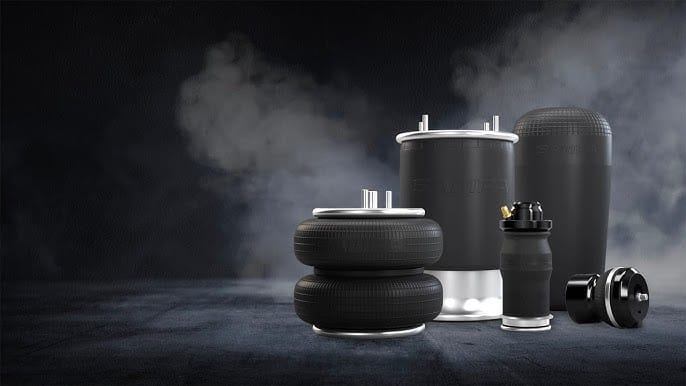
Air springs, commonly known as air bags or pneumatic springs, are crucial components used in vehicle suspension systems and industrial machinery. These springs enhance ride comfort, stability, and performance by supporting loads, isolating vibrations and shocks, and acting as pneumatic cylinders that expand to provide effective suspension. Air springs replace traditional coil springs with flexible rubber-and-fabric bladders filled with compressed air, offering superior comfort compared to conventional suspension systems.
The growth in the air spring market is being driven by increased industrial production, innovations by key players in the automotive sector, and the adoption of cutting-edge technologies in vehicle suspension systems.
Key Drivers of Growth
- Rising Initiatives by Key Players in the Automotive Industry
The launch of advanced vehicles by leading automotive companies has played a significant role in driving the demand for high-performance suspension systems, including air springs. Notably, in April 2023, UD Trucks introduced the powerful Quon GW 6×4 tractor, which features air springs as a core component. This state-of-the-art tractor, equipped with an 18-ton class 5th wheel and rear air suspension, provides both cargo and driver comfort, underscoring the importance of air springs in modern transportation solutions.
Continental AG, a key player in the market, is also focusing on launching next-generation suspension systems that offer superior ride quality and stability. Such advancements are expected to fuel the demand for air springs in Japan’s automotive sector.
- Rising Industrial Production and Its Impact on Demand
Japan’s industrial production saw a robust increase of 4.2% in May 2023 compared to the same month in 2022, according to the Ministry of Economy, Trade, and Industry (METI). This growth reflects the expanding demand for industrial machinery, which heavily relies on air springs for vibration isolation and performance optimization. As industries continue to grow, the demand for air springs in various industrial applications, such as manufacturing and construction equipment, is expected to rise, contributing to the market’s overall expansion.
- Integration of Sensor Technology in Air Springs
The integration of sensor technology into air springs represents a significant opportunity for market growth. These sensors enable real-time monitoring of critical parameters, such as pressure, temperature, and air spring performance. As manufacturers focus on predictive maintenance and performance optimization, sensor-equipped air springs are becoming increasingly valuable. Key players such as Continental AG and Vibracoustic are already integrating ultrasonic sensors into air bags, which enhances their performance and opens up new possibilities for adaptive suspension systems in automotive and industrial applications.
Challenges Hindering Market Growth
Despite the numerous growth opportunities, the air spring market in Japan faces certain challenges. One of the most significant hurdles is the complexity involved in installing air springs. The installation process requires specialized knowledge, tools, and expertise, resulting in increased costs and time for both manufacturers and end-users. The intricate installation procedure may lead to errors or inefficiencies, which can compromise the overall performance and reliability of the suspension system. This complexity has made potential customers cautious, which could limit the market’s expansion in the short term.
Key Market Segments
The Japan air spring market is segmented based on type, sales channel, and application.
By Type:
- Convolute Air Springs: These air springs are widely used due to their durability and ability to provide excellent shock absorption and vibration isolation.
- Single Air Springs: Known for their simplicity and efficiency, single air springs are widely used in passenger vehicles.
- Multi Air Springs: These air springs, which provide enhanced load-bearing capabilities, are favored for commercial vehicles and industrial applications.
- Rolling Lobe Air Springs: Rolling lobe air springs, offering high flexibility, are essential in applications that require dynamic load adjustments.
- Sleeve Air Springs: These air springs offer high strength and load capacity, making them ideal for heavy-duty applications.
By Sales Channel:
- Original Equipment Manufacturer (OEM): The OEM segment is expected to continue dominating the market as vehicle manufacturers increasingly incorporate air spring systems into their new models.
- Aftermarket: As the market for replacement parts expands, the aftermarket segment is also projected to see significant growth, driven by the demand for air spring replacements and upgrades.
By Application:
- Automotive: The automotive sector remains the largest consumer of air springs, driven by the increasing adoption of air suspension systems in passenger cars, buses, and commercial vehicles.
- Industrial: The use of air springs in industrial machinery is gaining traction, particularly in sectors such as manufacturing, construction, and mining, where vibration control and load-bearing capabilities are critical.
- Railways: The railway industry in Japan is increasingly adopting air springs to enhance ride comfort and stability for passengers and freight transportation.
Competitive Landscape
The Japan air spring market is highly competitive, with several prominent players contributing to market innovation and expansion. Notable companies include:
- Continental AG: A global leader in automotive and industrial solutions, Continental AG continues to innovate in air spring technology, integrating sensor technology and launching advanced suspension systems.
- Bridgestone Industrial: Bridgestone’s extensive experience in the rubber and automotive sectors positions it as a key player in the air spring market.
- Vibracoustic SE: Specializing in vibration control technology, Vibracoustic has been instrumental in developing advanced air springs for various automotive and industrial applications.
- Sumitomo Electric Industries, Ltd.: A major player in the electrical and automotive industries, Sumitomo Electric has expanded its offerings to include air springs for automotive and industrial applications.
- Trelleborg AB: Trelleborg’s commitment to innovation in sealing and vibration control solutions has made it a significant contributor to the air spring market.
- VDL Groep: Known for its innovative transportation solutions, VDL Groep is investing heavily in air suspension systems, further driving market demand.
- Airtech (Akta Holding): A key player in the air spring manufacturing industry, Airtech specializes in high-quality air spring solutions for a variety of applications.
- Hendrickson USA, L.L.C.: With a strong presence in the global air spring market, Hendrickson is dedicated to delivering advanced solutions that enhance vehicle performance and comfort.
- BWI Group: BWI Group is a leading player in the development of advanced suspension systems, including air springs, to meet the evolving needs of the automotive industry.
- Stemco: Specializing in suspension and braking systems, Stemco is a significant contributor to the growth of the air spring market.
Conclusion
The Japan Air Spring Market is poised for steady growth through 2030, driven by a combination of technological advancements, increasing industrial production, and the growing adoption of air suspension systems in automotive and industrial applications. Key players are actively introducing innovative solutions, such as sensor-equipped air springs and advanced suspension systems, to meet the evolving demands of the market. However, challenges related to installation complexity may affect the market’s growth rate in the near term. Overall, the market is expected to maintain a positive trajectory, benefiting from the ongoing evolution of transportation and industrial systems.
