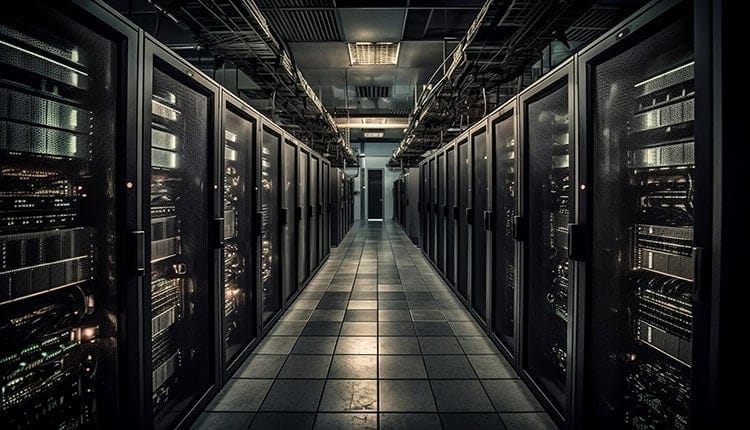
According to Next Move Strategy Consulting, the North America Data Center Market, is projected to grow to USD 190 billion by 2030, reflecting a robust compound annual growth rate (CAGR) of 7% by 2030. As cloud services and edge computing become pivotal components of business operations across the region, this growth signifies both technological advancements and substantial investment in data infrastructure to meet the increasing demand for secure, scalable, and energy-efficient solutions.
The data center market, also referred to as the network infrastructure market, consists of the planning, construction, operation, and maintenance of physical infrastructures designed to house a variety of computing systems. These systems include servers, storage systems, and networking equipment that offer critical services such as cloud computing and connectivity solutions. With the ongoing digital transformation across industries, data centers have become integral to enabling business operations and digital connectivity.
Key Drivers of Growth
- Robust Data Center Infrastructure
North America Data Center Market, particularly the United States, is home to more than 5,300 data center facilities, making it one of the most data-intensive regions in the world. Northern California, in particular, stands as a prominent hub for data-centric enterprises, including tech giants such as Google, Facebook, and Uber, as well as numerous other industry-leading companies. The widespread distribution of these facilities ensures that data processing and storage are efficiently handled across the country, with over 40% of these centers situated outside the major hubs, reflecting a diverse and well-distributed market.
Unlock a FREE Sample – Try Before You Buy!
The presence of energy-efficient infrastructure and competitive regional energy costs in certain areas has further accelerated the growth of data centers across the country. The top five operators — including Lumen Technology, Verizon, Digital Realty, AT&T, and Equinix — together command a significant 25.9% of the US market share, with digital infrastructure providing a foundation for the continued expansion of cloud-based services.
- Investment by Tech Giants
The rapid growth of cloud computing services, fueled by substantial investments from leading tech companies, is a major contributor to the data center market’s expansion. Notable players like Amazon Web Services (AWS), Microsoft Azure, and Google Cloud have significantly bolstered the infrastructure needed to power these services. For instance, AWS alone has committed USD 35 billion to build new data center infrastructure in Virginia, showcasing the industry’s vast scale and increasing demand for network infrastructure solutions. Similarly, Microsoft and Google have invested heavily in the region, signaling the growing importance of data centers in supporting digital transformation strategies.
A recent PwC study, commissioned by the Data Center Coalition, revealed that network infrastructure has contributed a staggering USD 2.1 trillion to the US GDP between 2017 and 2021, underscoring the sector’s immense role in the broader economy.
- Edge Computing Integration
Another significant trend driving market growth is the rise of edge computing. With edge computing, data processing happens closer to the source of data generation, minimizing latency and improving real-time processing capabilities. This approach supports an array of modern technologies, including Internet of Things (IoT) devices, augmented reality (AR), and other mission-critical applications that rely on rapid data processing.
Edge computing, by decentralizing computing workloads and optimizing data flow, also allows for improved security by keeping sensitive data closer to its point of origin. This trend is especially crucial as more businesses adopt edge-enabled devices and applications. Recent investments in edge computing infrastructure, such as those in startups like Armada, reflect the market’s growing interest in addressing connectivity challenges and bridging the digital divide, particularly in rural or underserved areas.
Regional Insights
United States
The U.S. continues to dominate the North American data center market, hosting 5,389 data centers, more than five times the number found in the United Kingdom. Not only is the U.S. home to the world’s most extensive data center infrastructure, but it also benefits from favorable energy conditions and a robust business environment that enables further investment. As cloud adoption grows, major metropolitan areas such as Silicon Valley, Dallas, and New York are seeing significant expansion in both hyperscale and colocation data centers.
The role of major players like AWS, Microsoft, Google, and IBM in driving this growth cannot be understated. These companies have expanded their data centers to accommodate the surging demand for cloud services, ensuring that they are well-positioned to meet future needs in an increasingly digital world.
Canada
Canada is also witnessing substantial growth in its data center sector. As companies across the country accelerate their digital transformation initiatives, investments in network infrastructure are ramping up. According to the International Data Corporation (IDC), over 50% of Canadian businesses view application modernization as a strategic priority. In response, tech giants have invested heavily in Canadian data center infrastructure.
With 336 operational data centers, Canada has become the second-largest market in North America for data center infrastructure. Major cities like Toronto, Montreal, and Vancouver are pivotal hubs for these facilities, further propelling Canada’s growth as a global leader in digital infrastructure.
Challenges to Market Growth
Despite the robust growth projections for the North American data center market, there are several challenges that could impact its expansion.
- High Initial Investment
The construction and maintenance of data centers require significant initial capital investment. For small and medium-sized enterprises (SMEs) or startups, the high costs associated with setting up and operating these facilities can be a significant barrier to entry. Additionally, the increasing demand for more complex, energy-efficient technologies and compliance with environmental regulations creates additional financial strain for operators.
- Stringent Environmental Regulations
As the data center market continues to grow, the pressure to adopt sustainable practices has intensified. With energy consumption representing a major operational cost, data centers face growing scrutiny over their environmental impact. Many operators are seeking energy-efficient solutions and are committing to sustainability targets to meet regulatory requirements and public expectations. However, the ongoing compliance with environmental regulations may limit some businesses’ ability to scale at the pace the market demands.
Future Outlook
The North America Data Center Market is expected to continue its upward trajectory as digital services expand and more enterprises embrace hybrid and multi-cloud approaches. In particular, sectors such as BFSI (banking, financial services, and insurance), IT and telecom, government, and energy and utilities are projected to demand greater infrastructure support as they modernize their operations and increase their reliance on cloud technologies.
Looking ahead, there are ample opportunities in hybrid and cloud deployment models, with businesses opting for flexible solutions that balance on-premise infrastructure with the scalability of the cloud. With investments in edge computing, further advances in 5G technology, and the push for data sovereignty, the future of North American data centers will be shaped by increasing demand for secure, scalable, and innovative data solutions.
Conclusion
Fueled by investments from tech giants, the proliferation of edge computing, and the demand for advanced cloud and connectivity services, the market is poised to continue driving innovation and contributing to the digital economy. As businesses and governments across North America embrace cloud computing, edge solutions, and energy-efficient infrastructure, data centers will play an increasingly critical role in shaping the future of the digital world.
