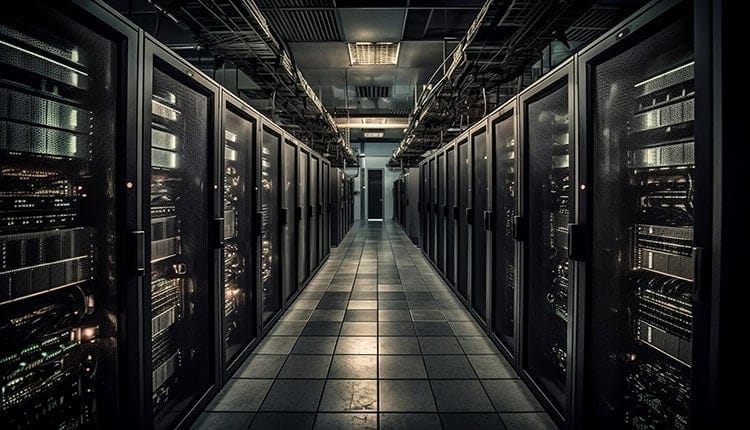
According to Next Move Strategy Consulting, the South Korea Data Center Market is experiencing rapid expansion, projected to grow at a Compound Annual Growth Rate (CAGR) of 17.1%, reaching USD 4.27 billion by 2030. This growth trajectory is fueled by several dynamic trends, including increased adoption of cloud services, the rise of edge computing, government initiatives, corporate expansions, and the integration of cutting-edge technologies such as Artificial Intelligence (AI).
Overview of the South Korea Data Center Market
The South Korea data center market, also referred to as the network infrastructure market, is evolving at a fast pace. It includes all stages of the lifecycle for specialized infrastructure dedicated to hosting computing systems. This lifecycle involves planning, construction, operation, and maintenance, as well as the integration of diverse components such as servers, storage systems, and networking gear. These components collectively provide essential services such as cloud computing, data storage, and connectivity solutions.
Try it Risk-Free – Download Your FREE Sample!
The increasing demand for scalable, efficient, and secure data processing is driven by the country’s ongoing digital transformation, alongside global trends like the widespread adoption of cloud services and edge computing. The market is also benefiting from heightened concerns over cybersecurity, sustainability initiatives, and the integration of hybrid and multi-cloud strategies.
Key Trends Driving Market Growth
Several key trends are contributing to the rapid expansion of the South Korean data center market:
- Cloud Adoption and Hybrid Cloud Solutions: South Korea has seen increasing demand for cloud services across various sectors, including business, government, and telecommunications. The shift toward hybrid and multi-cloud infrastructures, allowing organizations to optimize their data management and storage while increasing operational efficiency, is one of the key factors driving market growth.
- Edge Computing: With the rise of applications such as the Internet of Things (IoT) and Augmented Reality (AR), edge computing is gaining traction as it reduces latency by processing data closer to its source. This allows South Korean businesses to improve network performance and security while meeting the demands of real-time applications.
- 5G Networks: The roll-out of 5G networks in South Korea is creating significant demand for data processing power. Data centers equipped to handle the high-speed, high-volume data requirements of 5G networks will play a pivotal role in sustaining the country’s digital economy.
- Sustainability Focus: As environmental concerns intensify globally, data centers in South Korea are increasingly being designed with sustainability in mind. Renewable energy sources and energy-efficient technologies are being prioritized to reduce the carbon footprint of the industry.
Government Initiatives and Investments Propel Market Expansion
The South Korean government’s initiatives are playing a pivotal role in the growth of the data center market. One of the most notable projects is the development of a 1GW market campus in Haenam, Jeollanam-do. This massive project, which includes the construction of up to 25 40MW data centers, is designed to meet the rising data demands from South Korea’s growing digital economy. This initiative is further supported by renewable energy resources, positioning South Korea as a leader in sustainable digital infrastructure.
Key investment companies such as Samsung C&T, LG CNS, and NH Investment & Securities have already committed substantial financial resources to the project, underscoring the strategic importance of this venture. With government backing and corporate involvement, this data center campus will not only meet the local demand for data services but also establish South Korea as a regional hub for advanced digital infrastructure.
Corporate Expansion and AI Integration Boost Growth
Corporate expansions are also significantly driving the market’s growth, particularly in the realm of Artificial Intelligence (AI) integration. One prominent example is Shin & Kim’s launch of an AI and data center in South Korea, which is focused on delivering consulting services that integrate AI with data operations. The center also provides legal and regulatory guidance to companies navigating the complexities of the evolving information and communication technology landscape.
In addition, global players like Equinix are expanding their footprint in South Korea. Equinix is set to launch a new hyperscale data center, SL4, in Seoul in the first quarter of 2024. This facility, which will be connected to the existing SL1 center, is designed to meet the growing demand for AI hardware and provide enhanced power, cooling, and networking capabilities. As a result, the SL4 facility will become a vital part of South Korea’s digital ecosystem, facilitating access to a broad spectrum of businesses, cloud services, and AI-driven innovations.
Challenges and Barriers to Growth
Despite the positive growth outlook, the South Korea data center market faces several challenges. One of the most significant barriers is the high initial investment required to build and maintain state-of-the-art data center facilities. These capital-intensive projects are particularly challenging for smaller enterprises and start-ups, limiting their ability to enter the market.
Furthermore, strict environmental regulations require continuous investment in energy-efficient technologies to comply with sustainability goals. While this focus on green energy is crucial for the long-term viability of the data center market, it also adds additional cost burdens to operators.
Edge Computing Presents Opportunities for Expansion
The increasing focus on edge computing offers lucrative opportunities for the expansion of South Korea’s data center market. Edge computing reduces latency by processing data closer to its source, making it ideal for applications such as IoT, AR, and real-time analytics. By decentralizing data processing, edge computing eases the load on centralized cloud data centers, enabling businesses to scale operations while improving security and reducing latency.
Recent investments in edge computing startups, such as Armada, indicate a growing interest in localized data processing solutions. As edge computing continues to evolve, it is expected to provide diverse opportunities for data center operators, contributing to the growth of the overall market.
Competitive Landscape
The South Korea Data Center Market is highly competitive, with numerous global and local players vying for market share. Leading companies include:
- Amazon Web Services Inc.
- IBM Corporation
- Microsoft Corporation
- Cisco Systems, Inc.
- Oracle Corporation
- SAP SE
- Hewlett Packard Enterprise Development LP
- Equinix, Inc.
- Digital Realty Trust
- Empyrion Digital
- SC Zeus Data Centers Pte Ltd.
- Zenlayer, Inc.
- Digital Edge DC
- Samsung C&T Corporation
- Telehouse
These companies are contributing to the market’s growth by offering a wide range of solutions that cater to the increasing demand for cloud services, data storage, and connectivity. Partnerships and collaborations are also crucial in driving technological advancements, particularly in the realms of AI, 5G, and edge computing.
Market Segmentation
The South Korea Data Center Market can be segmented as follows:
- By Type: Colocation, Hyperscale, Edge, Others
- By Deployment Model: On-Premises, Cloud, Hybrid
- By Enterprise Size: Large Enterprise, Small and Medium Size Enterprise
- By End User: BFSI (Banking, Financial Services, and Insurance), IT and Telecom, Government, Energy and Utilities, Other End Users
Market Forecast and Conclusion
The South Korea Data Center Market is on track for substantial growth, driven by government initiatives, corporate expansions, AI integration, and the adoption of cutting-edge technologies.
