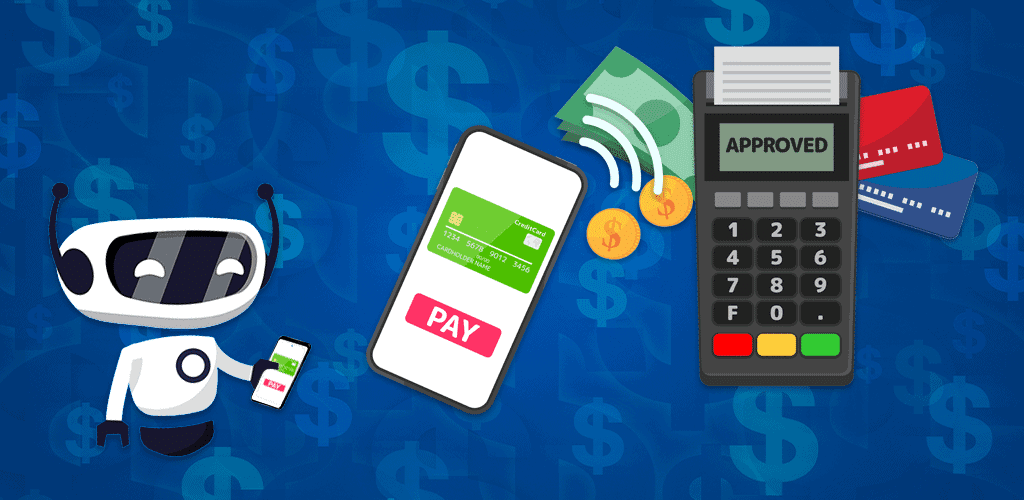
According to Next Move Strategy Consulting, the mobile payment market in India is poised for significant growth, with the sector projected to increase from a valuation to USD 31.16 billion by 2030. This represents a compound annual growth rate (CAGR) of 9% by 2030, as the country continues its transition towards a cashless society and digital financial ecosystems. The surge in mobile payment adoption, fueled by advances in fintech, digital banking services, and a growing demand for secure, contactless transactions, is set to transform the Indian financial landscape.
India Mobile Payment Market: A Look into the Future
The India Mobile Payment Market, encompassing mobile wallets, banking apps, and online payment systems, is revolutionizing the way financial transactions are conducted. Leveraging technologies such as SMS, near-field communication (NFC), QR codes, and biometric authentication, mobile payments offer consumers a fast, secure, and user-friendly way to transfer money, make purchases, and manage finances.
Rising Fintech and Digital Banking Services Driving Market Growth
The rapid expansion of fintech companies and digital banking services in India plays a pivotal role in driving the mobile payment market’s growth. The fintech revolution has transformed financial services by introducing innovative and user-friendly payment solutions that are easily accessible via mobile devices.
Mobile payment systems, integrated with fintech apps and digital banking platforms, streamline financial management and empower users to access diverse payment options. Features such as peer-to-peer (P2P) transfers, digital wallets, and contactless payments, introduced by fintech companies, have already changed how consumers and businesses interact with money.
With digital banking solutions growing in popularity, consumers now have greater access to innovative financial tools that facilitate effortless transactions, saving time and effort in an increasingly cashless economy. Furthermore, the advent of new payment technologies continues to fuel adoption, ensuring that mobile payment solutions will be indispensable in the daily financial transactions of consumers.
The Cashless Society Movement: An Industry Catalyst
The global shift towards cashless societies is a major driving force behind the expansion of the mobile payment market in India. As countries across the globe, including India, emphasize the benefits of cashless payments, mobile payment systems have gained an essential foothold in the financial ecosystem.
Mobile payments offer consumers a simple, fast, and hygienic alternative to traditional cash transactions, which became especially apparent during the COVID-19 pandemic. The preference for contactless payments during this period solidified the transition to digital forms of currency, which in turn accelerated the adoption of mobile payments in India.
Security Concerns and Data Breaches: A Barrier to Growth
Despite the undeniable advantages of mobile payment systems, the India market faces some challenges, particularly related to security and data breaches. With increasing amounts of personal and financial information being exchanged over mobile platforms, concerns about data privacy and unauthorized access remain a significant barrier to widespread adoption.
Security risks such as identity theft, fraud, and hacking can undermine trust in mobile payment platforms. High-profile security breaches have the potential to deter consumers from using these platforms, which can affect market growth.
To mitigate these risks, businesses operating in the mobile payment sector must invest in robust cybersecurity measures, including end-to-end encryption, multi-factor authentication, and continuous monitoring of financial transactions. Strengthening these security measures will enhance consumer confidence and foster long-term growth in the market.
The Rise of Voice-Activated Payments
A promising trend gaining traction in the India Mobile Payment Market is the rise of voice-activated payment systems. Virtual assistants like Amazon Alexa, Google Assistant, and Apple’s Siri are making it easier than ever for consumers to initiate payments and manage their finances using voice commands. Voice-activated mobile payments offer hands-free convenience, allowing users to complete transactions while on the move, without having to physically interact with their devices.
Explore the Benefits with a FREE Sample!
This innovative payment method is set to revolutionize the way consumers engage with mobile payments, offering unparalleled convenience and accessibility. The integration of voice-activated payment solutions with smart home devices, wearables, and the growing Internet of Things (IoT) ecosystem further expands the reach of mobile payment systems. The ability to perform seamless transactions through voice commands offers exciting opportunities for market players to differentiate themselves and innovate further in the mobile payments space.
Competitive Landscape
The mobile payment industry in India is highly competitive, with several global tech giants and payment platforms vying for market dominance. Key players in the market include:
- Alphabet, Inc. (Google): Google Pay is one of the leading mobile payment platforms in India, offering consumers a convenient and secure way to make payments.
- Alibaba Group Holdings Limited: Through its mobile payment platform Alipay, Alibaba continues to expand its presence in the Indian market.
- Amazon.com, Inc.: Amazon Pay offers a versatile payment solution, integrating payment services for Amazon’s marketplace and beyond.
- Apple, Inc.: Apple Pay is also gaining ground in the Indian market, with its secure and user-friendly mobile payment solutions.
- PayPal Holdings, Inc.: PayPal continues to serve as a global leader in online payments, and its services are becoming increasingly popular in India.
- Visa, Inc.: A major player in digital payments, Visa’s mobile payment solutions are integral to the Indian ecosystem.
- MasterCard International, Inc.: MasterCard’s contactless payment solutions are widely adopted by Indian consumers.
- Samsung Electronics Co. Ltd.: Samsung Pay is positioning itself as a leading mobile payment provider with its integration of NFC and other technologies.
- Block, Inc.: Formerly Square, Block provides a mobile payment solution that is gaining traction in emerging markets, including India.
These companies are actively innovating and expanding their service offerings to cater to the growing demand for mobile payment solutions in India. With strategic partnerships, technological advancements, and marketing efforts, these industry giants are ensuring a competitive edge in the rapidly evolving mobile payment landscape.
Stay Ahead with the Latest News
Market Segmentation
The India mobile payment market is categorized based on age, payment type, and application. Key segments include:
- By Age: Generation Z, Millennials, Generation X, and Baby Boomers.
- By Payment Type: Proximity payments (including NFC and QR code payments) and remote payments (internet payments, SMS/direct carrier billing).
- By Application: Money transfers, merchandise purchases, bill payments, airtime top-ups, ticketing, and others.
Conclusion
The India mobile payment market is experiencing a transformative period of growth, driven by advances in fintech, digital banking, and the transition towards a cashless economy. The convenience, speed, and security provided by mobile payment systems are fueling their widespread adoption among consumers and businesses alike. As more consumers embrace digital financial tools, the demand for mobile payment solutions will continue to grow, presenting significant opportunities for innovation, market expansion, and improved financial inclusion.
