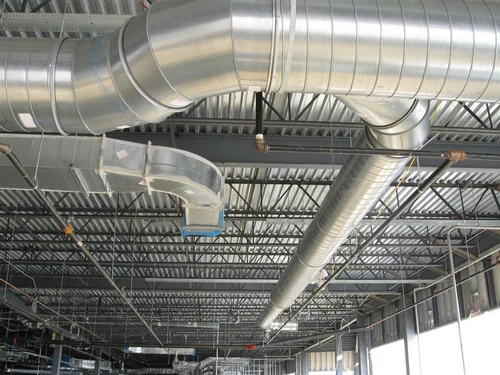
According to Next Move Strategy Consulting, the Spain HVAC System Market is set to experience steady growth, with the market size expected to reach USD 4 billion by 2030. This represents a compound annual growth rate (CAGR) of 4% from 2024 to 2030. The growing demand for improved indoor and outdoor air quality, the rise of urbanization and construction trends, and the increasing adoption of energy-efficient and sustainable solutions are the key drivers of this expansion.
HVAC systems are critical for maintaining optimal indoor conditions in residential, commercial, and industrial environments. They regulate air temperature, humidity, and quality, ensuring comfort, safety, and health for building occupants. HVAC systems provide numerous benefits, such as enhancing energy efficiency, improving air quality through filtration, and supporting eco-friendly practices in building operations.
Key Drivers of Growth in the Spain HVAC Market
- Growing Demand for Improved Indoor and Outdoor Air Quality
The demand for enhanced air quality has become a significant driver of growth for the Spain HVAC Systems Market. Both residential and commercial property owners are increasingly prioritizing HVAC solutions that filter and purify indoor air while mitigating pollutants from outdoor sources. This shift in consumer focus is particularly pronounced as air quality becomes a more prominent health concern in urban areas.
Click Here for Your FREE Sample!
Advancements in filtration technologies, such as HEPA filters and UV-C light sterilization, are meeting the heightened demand for systems that can eliminate allergens, pollutants, and pathogens. These systems not only ensure healthier indoor environments but also contribute to productivity in workplaces by offering precise temperature control and optimal air quality.
- Rising Urbanization and Construction Trends
Spain has been experiencing rapid urbanization, with an increasing number of people moving to cities and the rise of new construction projects. This urbanization is directly contributing to the demand for HVAC systems across various building types, from residential apartments to large commercial complexes and industrial facilities.
Alongside urban growth, there is a significant shift toward sustainable and energy-efficient construction practices. Green building initiatives, often mandated by governments or driven by environmental concerns, are requiring new buildings to meet stringent energy efficiency standards. This has spurred a demand for HVAC systems that align with these sustainable construction goals.
Moreover, a surge in retrofitting and renovating existing buildings to improve energy efficiency is also fueling the market. As older buildings are updated to meet modern standards for comfort and environmental efficiency, the demand for HVAC systems that integrate with smart building technologies and automation is growing. These systems not only contribute to lower energy consumption but also help meet regulatory requirements for environmental sustainability.
- Regulatory Compliance and Market Challenges
While the demand for HVAC systems is rising, regulatory compliance poses a significant challenge to the industry’s expansion. HVAC systems must comply with a complex set of regulations encompassing energy efficiency, emissions, refrigerants, and construction codes. Meeting these standards often requires substantial investments in technology and research.
For small and medium-sized enterprises, navigating this intricate regulatory landscape can be particularly difficult. These regulations can divert resources away from innovation and product development, as companies focus on ensuring their systems meet the prescribed standards. Consequently, the high costs of compliance and the complexity of regulatory requirements act as barriers to market entry and growth, especially for smaller players.
Additionally, the constant evolution of environmental regulations related to energy efficiency and refrigerants adds a layer of uncertainty to the market, requiring companies to adapt quickly to new policies in order to remain competitive.
- The Rise of Solar-Powered HVAC Systems
The integration of solar-powered HVAC systems is creating a promising growth opportunity within the Spanish HVAC market. Solar-powered HVAC solutions use photovoltaic technology to power heating, ventilation, and air conditioning operations, significantly reducing reliance on grid electricity.
As solar technology continues to advance, with improvements in solar panel efficiency, energy storage capabilities, and system integration, solar-powered HVAC systems are becoming more economically viable. These systems help homeowners and businesses reduce their energy costs while supporting sustainability goals, such as reducing carbon emissions and mitigating climate change.
Spain’s favorable climate for solar energy, coupled with increasing environmental concerns, makes solar-powered HVAC solutions a compelling option for both residential and commercial applications. The growing consumer demand for eco-friendly alternatives, as well as the regulatory push for sustainability, will drive the adoption of solar-powered HVAC systems in the coming years.
Competitive Landscape
The Spain HVAC System market is competitive, with several prominent players leading the charge in innovation and market development. Key companies operating in the market include:
- Midea Group Co. Ltd.
- Daikin Industries Ltd.
- Gree Electric Appliances Inc.
- Johnson Controls International Plc.
- Carrier Global Corporation
- Samsung Electronics Co. Ltd.
- Trane Technologies Plc.
- LG Electronics Inc.
- Panasonic Holdings Corporation
- Lennox International Inc.
These companies are focusing on expanding their product portfolios, improving the energy efficiency of HVAC systems, and incorporating advanced features such as smart technologies and renewable energy integration. Through innovation and strategic partnerships, these market players are driving the evolution of the HVAC sector in Spain.
Key Segments of the Spain HVAC Market
The Spain HVAC market is segmented based on equipment, implementation type, and end users.
By Equipment:
- Cooling Equipment:
- Unitary Air Conditioners
- Variable Refrigerant Flow Systems (VRF)
- Chillers
- Room Air Conditioners
- Coolers
- Cooling Towers
- Heating Equipment:
- Heat Pumps
- Furnaces
- Unitary Heaters
- Boilers
- Ventilation:
- Air-handling Units (AHUs)
- Air Filtration Systems
- Ventilation Fans
- HRVs & ERVs
- Air Purification Systems
- Others
By Implementation Type:
- New Construction
- Retrofit
By End User:
- Residential
- Commercial
- Industrial
Market Outlook
The growth is primarily driven by the increasing demand for better indoor and outdoor air quality, the adoption of sustainable HVAC solutions, and advancements in technology such as solar-powered HVAC systems.
As urbanization continues to rise and construction practices become more energy-efficient, the need for advanced HVAC systems will become even more pronounced. With a growing focus on sustainability, regulatory compliance, and reducing energy costs, the HVAC industry in Spain is poised for further innovation and expansion.
The integration of new technologies, such as smart HVAC systems and solar-powered solutions, will continue to shape the market, offering businesses and homeowners cost-effective and environmentally friendly alternatives. As HVAC manufacturers respond to evolving market demands, Spain’s HVAC sector will contribute significantly to the global trend toward energy efficiency and sustainability.
Conclusion
The Spain HVAC System Market is on a promising growth trajectory, underpinned by rising urbanization, the push for improved air quality, and the increasing demand for energy-efficient solutions.
As the market matures, challenges such as regulatory compliance and privacy concerns regarding new technologies will need to be addressed. However, the adoption of solar-powered HVAC systems, the focus on sustainable building practices, and the continued demand for improved air quality will play a crucial role in shaping the future of the HVAC sector in Spain.
