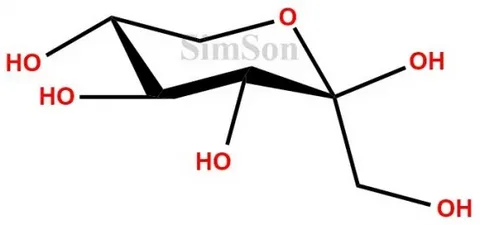
The Allulose and D-Psicose Market is experiencing a dramatic transformation as the demand for healthier sugar alternatives intensifies across the food, beverage, and nutraceutical industries. Estimated at USD 2.34 billion in 2023, the market is expected to surge to a staggering USD 75.85 billion by 2032, expanding at a CAGR of 47.15% between 2025 and 2032. This phenomenal growth underscores a global shift toward low-calorie, functional sweeteners that not only satisfy the palate but also support metabolic and glycemic health.
Allulose—also known as D-Psicose—is a rare sugar that has approximately 70% of the sweetness of sucrose but only 0.2 calories per gram. What makes it exceptional is that it behaves like sugar in recipes but is not metabolized by the body, making it virtually calorie-free and diabetic-friendly. As health-conscious consumers, governments, and food manufacturers seek alternatives to traditional sugars and artificial sweeteners, Allulose is rapidly gaining recognition as the next-generation sweetening solution.
Get a Sample Free PDF Report To Understand Our Report Before You Purchase: https://www.wiseguyreports.com/sample-request?id=601714
The Global Sugar Reduction Movement Powers Demand
The most powerful tailwind behind the Allulose and D-Psicose market’s growth is the rising global awareness about the health risks of high sugar consumption, including obesity, diabetes, cardiovascular disease, and metabolic syndrome. With sugar taxes, labeling regulations, and public health campaigns mounting worldwide, food producers are under intense pressure to reformulate products without compromising taste or texture.
Allulose fits perfectly into this landscape by offering a natural, non-glycemic, low-calorie alternative that delivers the same mouthfeel and performance as sugar. It has already gained GRAS (Generally Recognized As Safe) status by the U.S. FDA and is excluded from “added sugars” labeling—an important regulatory distinction that drives its appeal among major brands and manufacturers.
Broad Applications Across Food, Beverage, and Functional Nutrition
Allulose is rapidly being adopted across a wide array of product categories, including:
- Baked goods: cakes, cookies, and pastries
- Beverages: low-calorie sodas, teas, energy drinks, and flavored waters
- Dairy products: yogurts, ice creams, and puddings
- Confectionery: chocolates, gummies, and protein bars
- Nutraceuticals and supplements: meal replacements, protein powders, and functional blends
Its stability under heat and pH variations makes it suitable for high-temperature cooking and industrial-scale processing, while its low crystallization point makes it ideal for frozen desserts and syrups. Manufacturers also appreciate that Allulose browns like sugar, making it highly compatible with baked and caramelized products—unlike many sugar alcohols or artificial sweeteners.
Surging Interest in Diabetic-Friendly and Keto-Compatible Sweeteners
The global rise of diabetes, pre-diabetes, and insulin resistance—particularly in regions like North America, India, and parts of the Middle East—has created an enormous market for sweeteners that do not spike blood sugar levels. Allulose has demonstrated the ability to maintain glycemic control, making it highly suitable for diabetic-friendly and keto diet applications.
The booming keto, low-carb, and intermittent fasting trends have fueled consumer demand for clean-label, functional ingredients that align with lifestyle-specific health goals. As a non-insulinogenic sugar, D-Psicose is becoming a headline ingredient for food brands positioning themselves within this rapidly expanding wellness market.
Production Innovations and Scale-Up Strategies
Until recently, the rarity and high production cost of Allulose and D-Psicose limited their market potential. However, advances in enzymatic bioconversion and microbial fermentation technologies are now enabling commercial-scale production at more competitive prices. Leading food technology firms are working to scale up manufacturing capabilities, driving both cost efficiency and product availability across global supply chains.
Governments and regulatory bodies in Asia-Pacific—particularly Japan, South Korea, and China—have been at the forefront of research and development, with many companies actively patenting production methods and forming strategic partnerships with global ingredient suppliers.
Regional Dynamics: North America and Asia-Pacific Lead the Sweet Revolution
North America currently dominates the Allulose and D-Psicose Market, led by the U.S., where regulatory clearance, consumer awareness, and a mature health food industry provide a fertile ground for innovation. The increasing use of Allulose in sugar-free snacks, beverages, and meal replacements is transforming supermarket shelves and e-commerce platforms alike.
Asia-Pacific, particularly Japan and South Korea, has been a pioneer in the development and use of D-Psicose, with regulatory support and strong domestic demand propelling local production. As emerging economies in the region begin adopting stricter dietary guidelines and wellness trends, demand for Allulose is poised to explode.
Europe, traditionally more cautious on novel ingredients, is showing growing interest, especially with the rise in diabetic-friendly and vegan snack markets. Regulatory alignment and approval processes will be key to unlocking full-scale growth in the EU.
Make a Direct Purchase: https://www.wiseguyreports.com/checkout?currency=one_user-USD&report_id=601714
Key Companies in the Allulose And D Psicose Market Include:
- SweeGen
- Shandong Bailong Chuangyuan BioTech Co., Ltd.
- Zhejiang Medicine Co.,Ltd
- Henan Lvye BioTechnology Co.,Ltd
- Matsutani Chemical Industry Co., Ltd.
- Tate Lyle
- Samyang Corporation
- Hengshui Weijia Biotechnology Co., Ltd.
- Chongqing Fanglin BioTech Co., Ltd.
- Wuhan Sanonda Biological Materials Co., Ltd.
In addition to ingredient suppliers, packaged food and beverage brands are moving fast to include Allulose in product lines, with launches in everything from zero-sugar sodas and protein bars to diabetic-friendly condiments and sauces. Marketing efforts centered on “zero sugar impact”, natural sweetness, and keto-compatible claims are resonating strongly with health-driven consumers.
With its rare combination of natural origin, sugar-like taste, low caloric content, and health benefits, Allulose and D-Psicose are poised to redefine the future of sweetness in the global food system. As consumer preferences shift away from traditional sugars and artificial additives, these next-gen sweeteners are becoming the gold standard for health-conscious formulations. Projected to surge from USD 3.45 billion in 2024 to USD 75.85 billion by 2032, the market’s rapid growth marks one of the most compelling stories in the food innovation landscape—sweet, smart, and here to stay.
You May Also Like This Regional Reports:
Marché de l’allulose et du D-psicose | Markt für Allulose und D-Psicose | 알룰로스와 D 사이코스 시장 | 阿洛酮糖和阿洛酮糖市场 | Mercado de alulosa y D-psicosa | アルロースとDプシコース市場
<< Trending Reports in Chemicals and Materials Industry >>
Essential Oils And Oleoresins Market | Japanese | German | French | Korean | Chinese | Spanish
Granular Sulphur Market | Japanese | German | French | Korean | Chinese | Spanish
Gtl Fluids And Solvents Market | Japanese | German | French | Korean | Chinese | Spanish
Graphene Film On Nickel Market | Japanese | German | French | Korean | Chinese | Spanish
Free Flow Salt Market | Japanese | German | French | Korean | Chinese | Spanish
