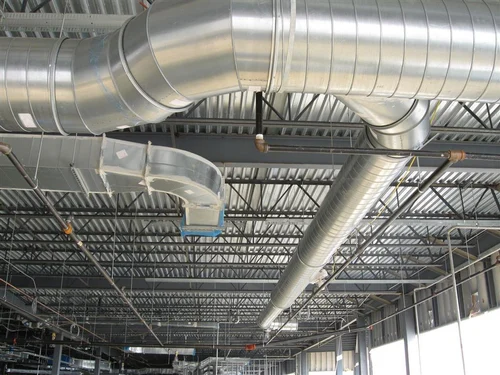
According to Next Move Strategy Consulting, the China HVAC System Market, is set to experience significant growth, reaching USD 74 billion by 2030. This growth trajectory is expected at a compound annual growth rate (CAGR) of 6% from 2024 to 2030, driven by rising urbanization, a growing demand for energy-efficient solutions, and innovations in sustainable technologies.
What is HVAC?
HVAC systems refer to a combination of technologies and devices used to regulate indoor environmental conditions such as temperature, humidity, and air quality, ensuring comfort and safety for building occupants. These systems include:
- Heating Systems: Provide warmth during colder months, using technologies like heat pumps, furnaces, and boilers.
- Ventilation Systems: Circulate and replenish indoor air, ensuring proper air exchange and removing harmful contaminants.
- Air Conditioning Systems: Cool and dehumidify indoor air to maintain a comfortable environment in warmer months.
These systems offer a range of benefits including improved indoor air quality, enhanced occupant comfort, energy savings, and precise temperature control. Moreover, China HVAC System Market are increasingly designed with sustainability in mind, reducing energy consumption and lowering carbon emissions, contributing to the eco-friendly building movement.
Click Here for Your FREE Sample!
Key Market Drivers
- Rising Urbanization and Construction Trends
Urbanization continues to accelerate in China, leading to an increased demand for residential, commercial, and industrial buildings. This growing demand for infrastructure has spurred the need for HVAC systems in both new construction and retrofit projects.
- New Construction: As cities expand and new buildings are constructed, there is a growing need for energy-efficient HVAC systems that meet modern environmental standards. Green building initiatives, which mandate stringent HVAC performance standards, are also on the rise, further driving demand for eco-friendly solutions.
- Retrofitting: With the increasing focus on sustainability, there is a noticeable trend of retrofitting older buildings to upgrade HVAC systems for greater energy efficiency and improved air quality. This is fostering a market for modern HVAC solutions capable of optimizing building performance.
- Smart and Automated Systems: The integration of building automation and smart HVAC technologies is also becoming more prevalent, enhancing the energy efficiency of buildings and aligning with China’s commitment to environmental sustainability.
This ongoing trend of urbanization and the adoption of green building practices are key factors in the rapid expansion of China’s HVAC market.
- Growing Demand for Improved Indoor and Outdoor Air Quality
The increasing awareness surrounding air quality, both indoors and outdoors, is another key factor fueling growth in the HVAC systems market. In both residential and commercial settings, property owners are increasingly investing in HVAC systems capable of improving indoor air quality and minimizing outdoor emissions.
- Indoor Air Quality: With concerns about pollution and health issues linked to poor air quality, consumers are seeking advanced HVAC systems equipped with modern filtration technologies, such as HEPA filters and UV-C light sterilization. These systems are designed to eliminate pollutants, allergens, and pathogens, improving the air quality inside homes, offices, and other indoor spaces.
- Outdoor Air Quality: Many businesses and buildings in urban areas are adopting HVAC systems designed to reduce their environmental footprint by minimizing outdoor emissions. This is especially important in densely populated regions where air pollution is a significant concern.
This growing demand for better air quality is prompting HVAC manufacturers to innovate and develop advanced technologies that address both health concerns and environmental goals, driving market expansion.
- Regulatory Compliance Challenges
While regulatory compliance acts as an enabler for industry growth by encouraging the adoption of more sustainable technologies, it also represents a significant challenge. HVAC systems in China must adhere to strict regulations related to energy efficiency, emissions standards, and the use of refrigerants. Compliance with these regulations often requires significant investments in research and development, as manufacturers must ensure their systems meet regulatory standards.
For smaller companies, navigating the complex regulatory landscape can be challenging, diverting resources away from innovation. Moreover, compliance efforts can increase production costs, which could affect the price competitiveness of HVAC systems in the market.
Despite these challenges, regulatory standards are pushing the HVAC industry toward more efficient and eco-friendly technologies, aligning with China’s broader sustainability goals.
- Integration of Solar-Powered HVAC Systems
The integration of solar-powered HVAC systems presents a promising avenue for market growth. These systems combine photovoltaic (solar) technology with traditional HVAC functions, reducing the dependency on grid electricity and offering significant cost savings for consumers.
- Energy Cost Savings: Solar-powered HVAC systems use solar panels to generate energy, which can then be used to power heating, cooling, and ventilation functions. This reduces reliance on grid power and offers long-term savings on energy bills.
- Sustainability: Solar-powered HVAC systems contribute to reducing carbon emissions, aligning with China’s growing commitment to environmental sustainability and green energy solutions. These systems are particularly well-suited for regions with abundant sunlight, further promoting the adoption of renewable energy technologies.
As solar panel efficiency improves and integration techniques advance, the feasibility and economic viability of solar-powered HVAC systems continue to rise, creating significant opportunities for growth in the HVAC sector.
Market Segmentation
The China HVAC system market is categorized based on equipment type, implementation type, and end-user sector. These segments highlight the diverse applications of HVAC systems across various industries.
By Equipment:
- Cooling Equipment:
- Unitary Air Conditioners
- Variable Refrigerant Flow (VRF) Systems
- Chillers
- Room Air Conditioners
- Coolers
- Cooling Towers
- Heating Equipment:
- Heat Pumps
- Furnaces
- Unit Heaters
- Boilers
- Ventilation Equipment:
- Air-handling Units (AHUs)
- Air Filtration Systems
- Ventilation Fans
- Heat Recovery Ventilators (HRVs) & Energy Recovery Ventilators (ERVs)
- Air Purification Systems
By Implementation Type:
- New Construction
- Retrofit
By End User:
- Residential
- Commercial
- Industrial
Competitive Landscape
The China HVAC system market is highly competitive, with key industry players consistently innovating to meet the growing demand for energy-efficient, eco-friendly HVAC solutions. Leading companies in the market include:
- Midea Group Co Ltd.
- Daikin Industries Ltd.
- Gree Electric Appliances Inc.
- Johnson Controls International Plc.
- Carrier Global Corporation
- Samsung Electronics Co., Ltd.
- Trane Technologies Plc.
- LG Electronics Inc.
- Panasonic Holdings Corporation
- Lennox International Inc.
These companies are investing heavily in research and development to improve the efficiency and sustainability of HVAC systems. They are also actively pursuing new technologies such as IoT integration, solar-powered systems, and advanced filtration technologies to stay ahead of market trends and regulatory requirements.
Market Outlook
The China HVAC system market is projected to grow at a robust CAGR of 5.8% from 2024 to 2030, with an estimated market value of USD 74.21 billion by 2030. This growth is driven by several key factors:
- Urbanization: Rising urban populations and the demand for new and retrofitted buildings with energy-efficient HVAC solutions.
- Environmental Regulations: Stricter governmental mandates driving the adoption of energy-efficient and environmentally friendly HVAC technologies.
- Technological Advancements: The integration of smart HVAC systems, solar-powered technologies, and enhanced filtration methods is expected to fuel further growth.
Conclusion
The China HVAC systems market is positioned for significant growth, driven by the rising demand for sustainable building practices, improved air quality, and energy-efficient technologies. With a projected market size of USD 74.21 billion by 2030, the industry is on track to continue evolving with cutting-edge technologies such as solar-powered HVAC systems and IoT integration. As urbanization accelerates and environmental concerns become increasingly urgent, the demand for advanced, eco-friendly HVAC solutions will continue to shape the market’s future.
