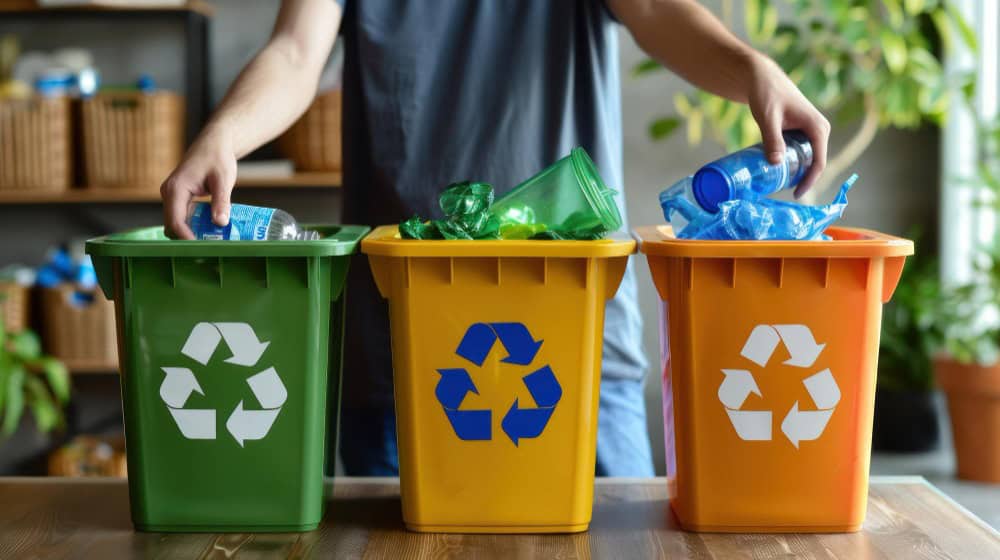
The Asia-Pacific waste management market is poised for significant expansion as the region faces mounting challenges of urbanization, industrialization, and environmental degradation. With the global emphasis on sustainable development and environmental conservation, waste management has emerged as a critical sector in the Asia-Pacific region.
The Asia-Pacific Waste Management Market is predicted to reach USD 560.28 billion at a CAGR of 8.8% by 2030. Projections indicate robust growth in the market, driven by advancements in waste processing technologies, regulatory initiatives, and increasing public awareness.
Get Instant Access to a FREE Sample!
Market Overview
The Asia-Pacific region generates a substantial portion of the world’s waste, accounting for over 40% of global municipal solid waste annually. Rapid urbanization, population growth, and increased consumption patterns are key factors contributing to the rising volumes of waste. As the region’s economies continue to grow, the waste management market is evolving to address challenges such as inadequate infrastructure, environmental pollution, and health hazards associated with improper waste disposal.
Key sectors driving this growth include municipal solid waste management, industrial waste processing, and e-waste recycling.
Key Drivers of Growth
- Urbanization and Population Growth
Asia-Pacific is home to some of the world’s fastest-growing cities. Urbanization has led to an exponential increase in waste generation, necessitating efficient and sustainable waste management solutions. Mega-cities such as Tokyo, Shanghai, and Mumbai are at the forefront of implementing advanced waste processing systems to manage mounting waste volumes.
- Stringent Environmental Regulations
Governments across the region are introducing stricter regulations to tackle waste management challenges. Countries like Japan, South Korea, and Singapore are leading the way with policies promoting recycling, waste segregation, and reduced landfill dependency. Initiatives like India’s Swachh Bharat Mission and China’s National Sword policy underline the region’s commitment to improving waste management infrastructure and reducing environmental impact.
- Technological Advancements
The adoption of advanced technologies such as waste-to-energy (WTE) ,automated sorting systems, and artificial intelligence (AI) is transforming the waste management landscape. WTE plants, which convert non-recyclable waste into energy, are gaining traction in countries like China, South Korea, and Thailand. Similarly, AI-powered sorting facilities are improving recycling rates and reducing contamination in recyclables.
- Growing Focus on Recycling and Circular Economy
The push towards a circular economy is gaining momentum in the Asia-Pacific region. Recycling initiatives are being scaled up to recover valuable materials from waste streams, such as plastics, metals, and paper. Countries like Japan and South Korea are pioneering innovative recycling techniques, while emerging economies like Vietnam and the Philippines are investing in grassroots recycling programs.
Challenges Facing the Market
Despite the promising growth trajectory, the Asia-Pacific waste management market faces several challenges:
- Inadequate Infrastructure: Many countries in the region still lack the necessary infrastructure to handle growing waste volumes, leading to environmental pollution and health risks.
- Waste Segregation Issues: Improper segregation of waste at the source remains a major hurdle in effective recycling and waste processing.
- Funding Constraints: High capital investment requirements for waste management projects can limit the participation of smaller municipalities and private players.
- Public Awareness: While awareness is increasing, many communities still lack understanding of the importance of waste management, leading to improper disposal practices.
Segment Insights
Municipal Solid Waste Management
Municipal solid waste (MSW) management remains the largest segment within the Asia-Pacific waste management market. Cities are implementing innovative solutions, such as smart bins and digital monitoring systems, to streamline waste collection and disposal. Public-private partnerships are playing a crucial role in enhancing MSW infrastructure and services.
Industrial Waste Management
The industrial sector is a significant contributor to waste generation in the Asia-Pacific region, particularly in manufacturing hubs like China, India, and Indonesia. Industries are increasingly adopting sustainable practices such as zero-waste production and hazardous waste treatment to comply with stringent regulations.
E-Waste Recycling
The Asia-Pacific region is one of the largest generators of electronic waste globally, driven by the rapid adoption of technology and shorter product lifecycles. Countries like Japan and South Korea have established robust e-waste recycling ecosystems, while emerging economies are catching up with new policies and investments in e-waste management infrastructure.
Key Players in the Market
Several global and regional companies are driving innovation and growth in the Asia-Pacific waste management market:
- Veolia Environment
- SUEZ Recycling & Recovery
- Cleanaway Waste Management Limited
- China Everbright International
- Waste Management Inc.
These companies are investing in cutting-edge technologies, strategic partnerships, and sustainable practices to strengthen their market presence and address regional waste management challenges.
Future Outlook
The future of waste management in the Asia-Pacific region is promising, with several emerging trends shaping the market:
- Increased Adoption of Waste-to-Energy Technologies
WTE technologies will play a critical role in reducing landfill dependency and generating renewable energy. Governments are incentivizing WTE projects to achieve waste management and energy goals simultaneously.
- Expansion of Recycling Infrastructure
As recycling rates continue to grow, investments in recycling infrastructure and technology will expand across the region. Innovations in material recovery and reuse will support the shift towards a circular economy.
- Digital Transformation in Waste Management
Digital technologies, including IoT, AI, and blockchain, are set to revolutionize waste management by improving operational efficiency, transparency, and customer engagement.
- Community-Driven Initiatives
Grassroots movements and community-based waste management programs will complement government and industry efforts, fostering a culture of sustainability and responsible waste disposal.
Conclusion
The Asia-Pacific waste management market is at a pivotal moment, poised to address the challenges of rapid urbanization, industrial growth, and environmental degradation. As governments, industries, and communities collaborate to implement sustainable practices, the region is set to become a global leader in waste management innovation.
With its robust growth prospects, the market offers significant opportunities for stakeholders to invest in technologies and solutions that drive environmental sustainability and economic development.
