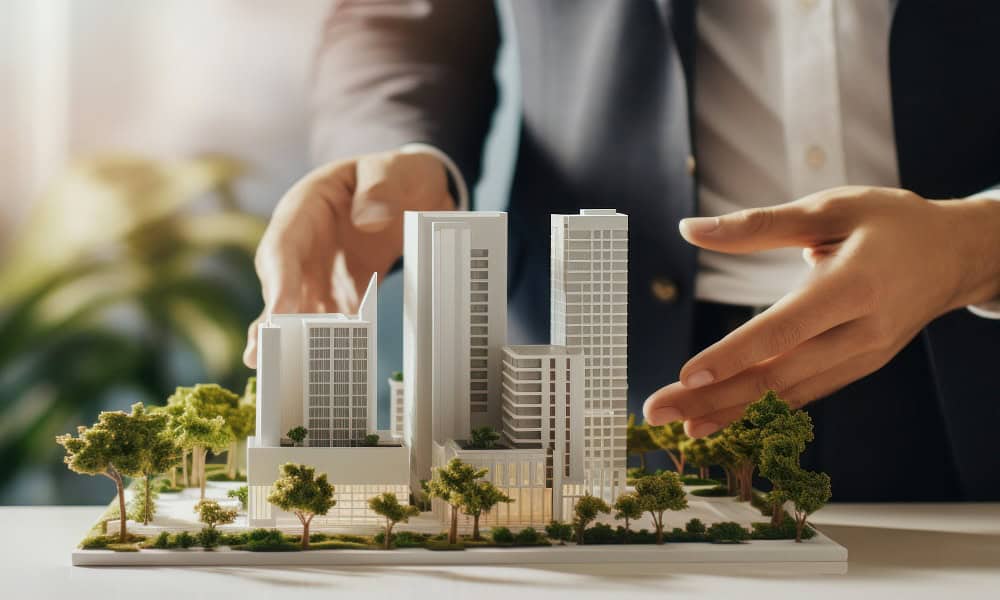
As Denmark enters 2025, the real estate market demonstrates a resilient and optimistic outlook despite global economic uncertainties. The Denmark Real Estate Market is predicted to reach USD 110.4 million at a CAGR of 4.4% by 2030.
The Danish real estate sector is buoyed by steady growth, increasing demand for residential properties, and evolving commercial real estate trends. While challenges such as rising interest rates and supply chain disruptions persist, Denmark’s real estate market has managed to maintain momentum, reflecting broader regional trends across Europe.
Residential Market: Strong Demand Continues
In 2024, Denmark Real Estate Market saw significant performance across various segments, with strong demand for both rental and ownership properties. Urban centers, particularly Copenhagen, and suburban areas witnessed high levels of activity, driven by a demand for more spacious homes and an increasing preference for suburban living.
Start with a FREE Sample – Download Now!
Copenhagen continues to be the focal point of growth. The city remains one of the most competitive real estate markets in Europe, with prime central locations in high demand. Property prices have remained stable, but the gap between supply and demand remains substantial. The ongoing influx of both local residents and foreign investors has contributed to this competitive environment, particularly in prime urban areas.
A key trend emerging in the residential market is the increasing demand for sustainable housing. More homeowners and renters are prioritizing energy-efficient homes, eco-friendly features, and green certifications, as Denmark strengthens its commitment to sustainability. Developers have responded by focusing on energy-efficient designs and offering environmentally conscious living options.
Luxury Real Estate: A Magnet for High-Net-Worth Individuals
Denmark’s luxury real estate market has shown resilience, continuing to attract both local and international investors. Copenhagen’s appeal as a stable and high-quality living destination for affluent individuals is particularly noticeable in the luxury segment. Properties in exclusive districts such as Frederiksberg, as well as waterfront estates and historical homes, continue to be highly sought after.
The trend is driven by both local buyers and high-net-worth individuals (HNWIs) who are drawn to Denmark for its political stability, thriving economy, and high standard of living. The luxury property market is expected to grow steadily, particularly in Copenhagen, where buyers prioritize privacy, modern amenities, and proximity to cultural and recreational centers.
Despite global uncertainties, the Danish luxury market shows consistent interest. Properties with scenic views, particularly those situated near the harbor or in historic districts with access to nature, are increasingly popular among affluent buyers. As a result, Denmark remains a key destination for foreign investors seeking safe and attractive real estate investments.
Commercial Real Estate: Adjusting to Changing Needs
Denmark’s commercial real estate market is undergoing a transformation in response to evolving work habits and global consumer behavior. As companies adapt to new work environments, the demand for traditional office spaces has softened, particularly in prime locations.
However, demand for flexible office spaces, designed for hybrid work models, continues to grow. Landlords are responding by offering modernized office layouts with collaborative spaces and more flexible leasing terms. While demand for traditional office buildings has declined, flexible workspaces are increasingly attractive to tenants looking for innovative solutions.
The logistics and industrial real estate sectors in Denmark, however, remain bright spots. Denmark’s strategic location in Northern Europe, coupled with its robust infrastructure, has driven demand for warehousing and distribution centers. As e-commerce grows and companies focus on supply chain resilience, logistics properties have become increasingly valuable. The “last mile” delivery trend has also fueled the demand for smaller warehouses and urban logistics hubs to meet the growing demand for faster, localized delivery services.
Retail real estate continues to face challenges as consumer behavior shifts toward online shopping. The growth of e-commerce has reduced demand for traditional retail space, especially in suburban areas. Nevertheless, retail properties located in prime areas that focus on experiential or entertainment-driven concepts continue to attract interest. Additionally, mixed-use developments—incorporating residential, retail, and entertainment spaces—are gaining popularity as investors seek diverse property portfolios.
Government Policy and Real Estate Regulation
The Danish government has actively implemented policies to stabilize the real estate market, promote sustainability, and ensure the availability of affordable housing. Several measures have been put in place to address ongoing affordability issues, particularly in high-demand urban areas like Copenhagen.
One such initiative is the government’s increased investment in affordable housing construction. Funds have been allocated to support projects aimed at providing housing for low- and middle-income earners, which should help ease the pressure on Denmark’s rental and ownership markets. With demand for affordable housing continuing to outpace supply in urban areas, these initiatives are critical to maintaining a balanced market.
Denmark’s commitment to sustainability also shapes the country’s real estate policies. The government encourages the development of green building projects by offering incentives for developers to create energy-efficient properties. This aligns with Denmark’s ambitious climate goals, including carbon neutrality by 2050. The growing demand for energy-efficient and sustainable homes is expected to continue shaping both the residential and commercial real estate markets in Denmark.
Future Outlook: Trends and Challenges Ahead
Looking ahead, the Danish real estate market is expected to continue its growth trajectory, driven by several key factors:
- Sustainability and Green Real Estate: As the demand for energy-efficient and eco-friendly properties continues to rise, developers are focusing on green building practices to meet these demands.
- Technological Advancements: The rise of smart home technology, coupled with innovations in construction materials and real estate management, is transforming Denmark’s real estate market. The emergence of PropTech is also reshaping how properties are bought, sold, and managed.
- Demographic Shifts: Denmark’s aging population and evolving household structures will drive demand for senior living communities and smaller, more flexible housing solutions.
- Adaptation in Commercial Real Estate: The commercial sector will continue to adapt to changing work patterns and consumer behavior. The demand for flexible office spaces, industrial properties, and mixed-use developments is expected to increase.
- Foreign Investment: Denmark’s stable economy, high quality of life, and focus on sustainability will continue to attract foreign investors, particularly in the luxury and commercial sectors.
While there are numerous opportunities for growth, there are challenges to be addressed. Rising interest rates may dampen demand in the short term, and affordability concerns will continue to affect both the residential and commercial markets. Additionally, global economic factors and geopolitical risks may influence investor sentiment.
Conclusion
Entering 2025, the Danish real estate market shows promising growth prospects, underpinned by a resilient housing market, evolving commercial real estate trends, and a focus on sustainability. The government’s proactive policies, coupled with technological advancements and a stable economic environment, position Denmark’s real estate market for long-term success. However, challenges such as affordability and economic uncertainties remain, making it essential for stakeholders to remain adaptable and forward-thinking.
