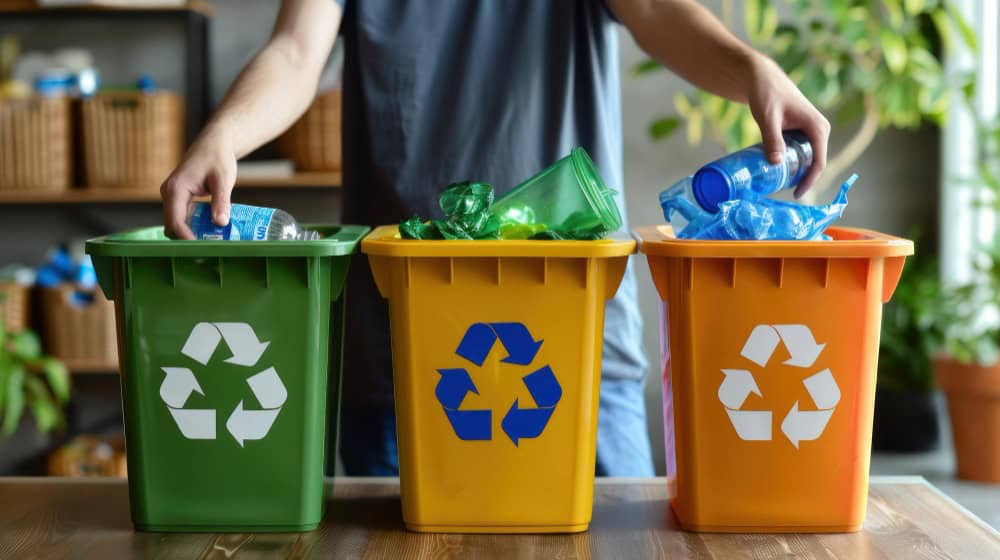
This growth is primarily driven by the increasing demand for sustainable waste management practices, the adoption of advanced technologies, and the transition toward a circular economy. As European countries intensify their focus on reducing landfill use, improving recycling rates, and minimizing waste generation, innovative waste management solutions are becoming essential to meet the region’s environmental goals.
The Europe Waste Management Market is predicted to reach USD 169.37 billion by 2030, at a CAGR of 4.5% by 2030. The waste management market in Europe is undergoing a significant transformation, driven by the following factors:
Claim Your FREE Sample and See the Difference!
- Government Regulations and Policies: European governments have introduced stringent regulations aimed at reducing waste generation, increasing recycling rates, and promoting sustainable practices. The European Union’s Circular Economy Action Plan and Waste Framework Directive are key policies that promote recycling, reduce landfill dependency, and encourage waste-to-energy solutions. These policies are significantly influencing the market’s growth.
- Focus on Sustainability and the Circular Economy: Europe is at the forefront of the global transition to a circular economy, emphasizing reducing, reusing, and recycling materials. Waste management practices that support a circular economy are seeing increased adoption, including increased investments in recycling infrastructure, the development of waste-to-energy technologies, and the promotion of eco-friendly waste management practices.
- Technological Advancements: Technological innovations, such as automation, artificial intelligence, Internet of Things (IoT) applications, and advanced sorting systems, are revolutionizing waste management in Europe. Smart waste bins, digital waste tracking, and automated recycling systems are making waste management processes more efficient, cost-effective, and environmentally friendly.
- Public Awareness and Corporate Responsibility: Rising public awareness about the environmental impact of waste, especially plastic waste, has increased demand for recycling and responsible disposal services. Many companies are incorporating sustainable waste management practices into their corporate social responsibility (CSR) initiatives, further driving market growth.
- Increased Waste Generation from Urbanization and Industrialization: Europe’s growing urban population and industrial activities are contributing to higher volumes of waste. As cities expand and industries continue to develop, managing waste effectively is becoming an increasingly complex challenge. Waste management companies are investing in more advanced infrastructure to address the growing waste volumes.
Segmentation of the Market
The Europe waste management market can be segmented by service type, waste type, and region.
By Service Type
- Collection Services: Includes municipal, industrial, and commercial waste collection services.
- Recycling Services: Focused on the collection and processing of recyclable materials such as paper, plastics, metals, and glass.
- Disposal Services: Includes landfill, incineration, and other waste disposal solutions.
- Waste-to-Energy (WTE) Services: The conversion of waste into usable energy, including incineration and anaerobic digestion technologies.
- Hazardous Waste Management: Specialized management services for hazardous waste materials, such as chemicals, batteries, and medical waste.
By Waste Type
- Municipal Solid Waste (MSW): Household waste, commercial waste, and public space waste.
- Industrial Waste: Waste generated from manufacturing and industrial activities, including chemicals, metal scraps, and production waste.
- Electronic Waste (E-Waste): Discarded electronic devices, including computers, mobile phones, and home appliances.
- Organic Waste: Biodegradable waste such as food scraps, garden waste, and agricultural waste.
- Hazardous Waste: Includes toxic chemicals, pharmaceuticals, and other dangerous materials.
By Region
- Western Europe: Dominated by major countries like Germany, the UK, France, and Italy, where waste management infrastructure and regulations are highly advanced.
- Northern Europe: Countries such as Sweden, Denmark, and Finland are leading in recycling and waste-to-energy initiatives.
- Southern Europe: Includes Spain, Italy, and Greece, where there is a growing focus on sustainability and improving waste management systems.
- Eastern Europe: Emerging markets such as Poland and Romania are witnessing rapid industrialization, leading to increasing waste management demands.
Key Trends in the Europe Waste Management Market
- Circular Economy and Recycling: The push toward a circular economy in Europe is driving the demand for recycling services. Many European countries have set ambitious recycling targets, and there is a growing focus on reducing the volume of waste sent to landfills. Recycling technologies such as automated sorting, material recovery facilities (MRFs), and high-efficiency sorting systems are increasingly being adopted to improve recycling rates.
- Waste-to-Energy (WTE) Solutions: Waste-to-energy technologies are gaining significant traction in Europe as a means to reduce landfill waste while generating renewable energy. Countries like Sweden, Germany, and the Netherlands are leading in waste-to-energy infrastructure, including waste incineration plants, anaerobic digesters, and biogas production. These technologies contribute to energy sustainability while minimizing the environmental impact of waste.
- Smart Waste Management Technologies: The integration of smart technologies is revolutionizing waste management in Europe. Internet of Things (IoT) sensors in waste bins, smart waste tracking systems, and AI-based waste sorting technologies are improving waste collection efficiency, optimizing routes, and reducing operational costs. Additionally, data-driven solutions are helping municipalities and businesses make more informed decisions regarding waste management strategies.
- Zero-Waste Initiatives: Zero-waste practices are becoming more prevalent, particularly in urban areas. Zero-waste cities are setting ambitious goals to reduce waste generation, increase recycling rates, and promote reuse. Businesses and municipalities are adopting zero-waste policies, reducing single-use plastics, and encouraging sustainable packaging solutions.
- Public-Private Partnerships (PPP): Collaboration between the public and private sectors is key to the success of waste management programs in Europe. Governments are partnering with private waste management companies to develop and implement large-scale waste processing and recycling projects. These partnerships are vital to addressing the growing waste challenges in urban areas.
Challenges in the Europe Waste Management Market
- Waste Contamination: Contamination of recyclable materials is a significant challenge, particularly in the recycling of plastics. Contaminated recyclables lead to inefficiencies in the recycling process, higher operational costs, and lower-quality materials. Increased public education on proper waste sorting and recycling is critical to overcoming this challenge.
- Infrastructure and Investment: While Western Europe has well-established waste management infrastructure, other regions, particularly Eastern Europe, face challenges in developing efficient waste collection and recycling systems. Increased investment in infrastructure is required to meet the region’s growing waste management demands.
- Regulatory Compliance and Implementation: Complying with European Union regulations, such as waste diversion targets, recycling quotas, and landfill diversion policies, presents challenges for some businesses. Ensuring consistent implementation of regulations across countries and regions is necessary for achieving the EU’s waste management goals.
Key Players in the Europe Waste Management Market
The Europe waste management market is highly competitive, with several global and regional players contributing to its growth. Key players include:
- Veolia Environmental Services: A leading provider of waste management, water treatment, and energy services across Europe.
- SUEZ Recycling & Recovery: Specializing in waste recycling, waste-to-energy technologies, and environmental services.
- FCC Environment: A major player in the UK, offering waste management services, including recycling, waste collection, and landfill management.
- Biffa: A UK-based waste management company providing services ranging from waste collection and recycling to energy recovery.
- Renewi: A leading waste-to-product company in the Netherlands, specializing in recycling and resource recovery.
Conclusion
The Europe waste management market is expected to experience significant growth over the next decade, driven by regulatory initiatives, technological innovations, and the growing focus on sustainability. As European countries strive to reduce waste generation, increase recycling rates, and improve waste management practices, the industry is poised for further expansion.
