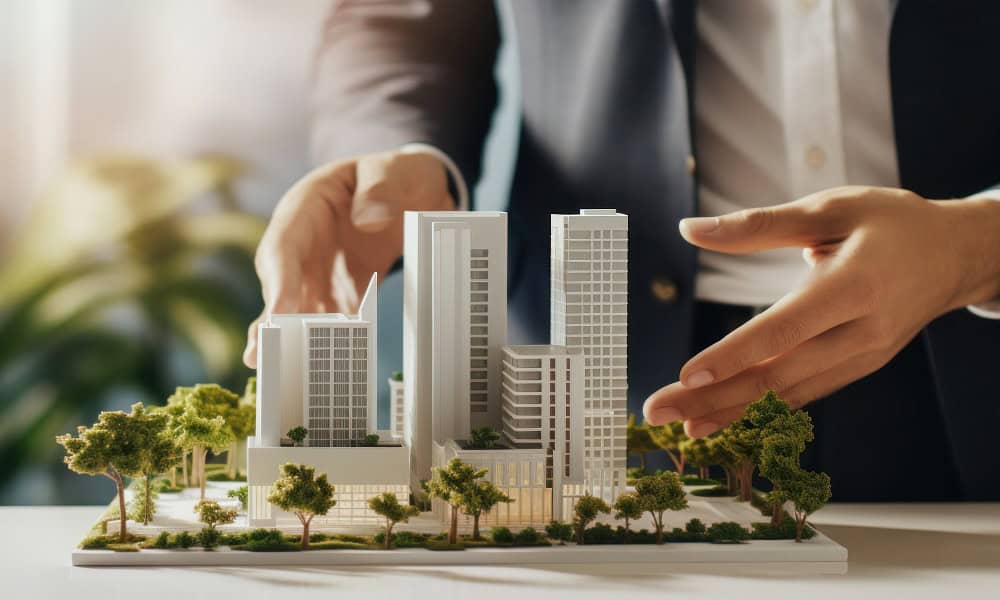
The South Africa Real Estate Market is predicted to reach USD 98.4 million, at a CAGR of 7.1% by 2030. Despite facing challenges such as economic volatility and rising interest rates, South Africa’s real estate sector continues to show resilience, creating opportunities for investors and developers alike.
Residential Real Estate: Urbanization and Affordability Drive Demand
The South Africa Real Estate Market is largely influenced by urbanization trends, with the majority of property demand being driven by the country’s expanding urban population. Major cities like Johannesburg, Cape Town, Pretoria, and Durban continue to experience significant population growth, further fueling the demand for residential properties, both for sale and for rent.
Test It First – Download Your FREE Sample!
The demand for affordable housing remains a critical issue, as more people migrate from rural areas to urban centers in search of employment and improved living standards. The South African government continues to support affordable housing programs, including initiatives like the Breaking New Ground (BNG) program, aimed at addressing the housing backlog for low- to middle-income families. These efforts are expected to drive increased construction activity and provide access to homeownership for first-time buyers in urban areas.
While demand for housing remains high, affordability is a concern in some of South Africa’s major metropolitan areas. Rising property prices, coupled with an increase in living costs and interest rates, have made it challenging for many South Africans to enter the housing market. However, the government’s focus on affordable housing development is expected to alleviate some of these pressures, particularly in the growing suburban areas around major cities.
Luxury Real Estate: Continued Demand from Affluent Buyers
South Africa luxury real estate market has seen steady demand from both local high-net-worth individuals (HNWIs) and international investors. Major cities like Cape Town and Johannesburg continue to be prime destinations for luxury property investments. Cape Town, with its picturesque coastline, vineyard estates, and historical architecture, remains a particularly popular location for luxury buyers.
The appeal of South Africa’s luxury real estate market is largely driven by its favorable exchange rates and relatively lower property prices compared to other global markets. International buyers, particularly from Europe, the Middle East, and the United States, are drawn to South Africa’s luxury offerings, including waterfront estates, historic homes, and modern apartments in prime locations.
In addition to the typical luxury homes, there has been an increased interest in gated communities and secure estates, reflecting the demand for both exclusivity and safety. As South Africa’s luxury market continues to mature, buyers are increasingly seeking homes with state-of-the-art amenities, sustainable design features, and properties with scenic views.
Commercial Real Estate: Adapting to Changing Work Environments
The shift towards remote and hybrid work models has had a significant impact on the demand for office spaces. Many businesses in South Africa are downsizing or adopting flexible working arrangements, which has led to an increase in demand for smaller, more versatile office spaces.
The demand for traditional office buildings in central business districts has slowed in comparison to the demand for flexible office solutions, such as co-working spaces and serviced offices. In response, property developers and landlords have adapted by offering more flexible lease terms, modernized office designs, and communal workspaces that appeal to businesses seeking to accommodate evolving work styles.
Despite the challenges in the office sector, South Africa’s commercial real estate market has seen strong growth in logistics and industrial properties. The rise of e-commerce and the demand for efficient supply chains have driven increased investment in warehouses, distribution centers, and logistics hubs. South Africa’s strategic location on the African continent, along with its robust transport infrastructure, continues to make it an attractive market for logistics-focused developments.
Retail real estate is experiencing a shift as well, with many retailers adapting to the growing influence of e-commerce. However, brick-and-mortar retail stores in prime locations, especially those offering unique shopping experiences or entertainment options, continue to see demand. Mixed-use developments that integrate residential, retail, and commercial spaces are also becoming more popular as urban areas evolve to accommodate changing consumer behavior.
Government Policies and Regulation: Supporting Growth and Sustainability
The South African government plays a key role in shaping the real estate market, with several initiatives aimed at improving housing affordability, stimulating property development, and promoting sustainability. Government housing programs such as the BNG have provided thousands of South Africans with access to affordable homes, though the housing backlog remains a significant challenge.
In terms of commercial real estate, the South African government has introduced various measures to encourage investment, including tax incentives for developers involved in creating green and energy-efficient buildings. Sustainability is becoming an increasingly important factor in property development, and the government has supported this by tightening environmental regulations and promoting the use of renewable energy in both residential and commercial properties.
Foreign investment in South Africa real estate market is subject to regulatory oversight, but the government continues to encourage international investment. The relaxation of certain property ownership regulations has opened up opportunities for foreign buyers, particularly in the luxury and commercial sectors.
Future Outlook: Growth Amid Challenges
The outlook for South Africa’s real estate market remains positive, with steady growth anticipated over the next few years. The residential market is expected to continue expanding, driven by urbanization, government support for affordable housing, and demand for modern, sustainable homes. The luxury real estate market will likely maintain its appeal for affluent buyers, both local and international.
The commercial real estate sector will need to adapt to new trends, including the increasing demand for flexible office spaces, logistics facilities, and mixed-use developments. The rise of e-commerce and changing consumer behavior will continue to shape the retail landscape, while investment in green building practices will be essential in meeting sustainability goals.
