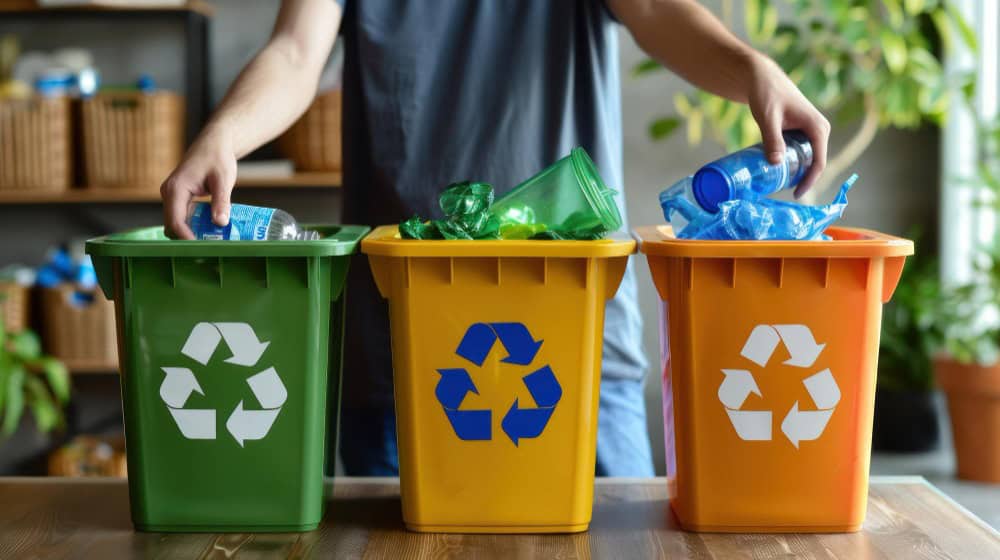
The U.S. waste management market is on a clear path of expansion, driven by growing urbanization, stringent environmental regulations, and increasing awareness around sustainability. As the demand for effective waste disposal and recycling systems continues to rise, the waste management sector in the United States is undergoing significant transformation.
The U.S. Waste Management Market is predicted to reach USD 63.25 billion at a CAGR of 4.70% by 2030. With advancements in technology, regulatory changes, and shifting consumer behavior, the market is expected to reach new milestones by 2030.
Get Instant Access to a FREE Sample!
Market Overview
Waste management in the U.S. plays a crucial role in maintaining public health, environmental sustainability, and resource conservation. The market covers a range of segments, including municipal solid waste (MSW), industrial waste, construction and demolition debris, hazardous waste, and e-waste. Advances in waste-to-energy (WTE) technology, recycling initiatives, and waste minimization strategies are expected to drive much of the growth, creating new opportunities for businesses and consumers alike.
Get the Facts, Click to Read the News
Key Drivers of Growth
- Increasing Urbanization and Population Growth
Urbanization remains a significant driver of the U.S. waste management market. As more people flock to urban areas, waste generation increases. Cities such as New York, Los Angeles, and Houston, among others, produce large volumes of waste, necessitating efficient waste management systems. Furthermore, the increasing population means more households, more industries, and more consumption, all contributing to higher waste generation.
- Strong Regulatory Push for Sustainability
The U.S. government has been introducing stronger regulations aimed at reducing landfill waste and improving recycling rates. Federal, state, and local policies are enforcing stricter waste management standards, including waste diversion goals, recycling mandates, and extended producer responsibility (EPR) programs. The Environmental Protection Agency (EPA) continues to play a pivotal role in enforcing these regulations, helping to ensure that businesses comply with waste reduction and disposal standards.
- Technological Advancements in Waste Processing
Advancements in waste processing technologies are transforming the U.S. waste management market. From smart waste bins equipped with sensors to waste-to-energy plants that convert trash into usable energy, technological innovation is driving efficiency and sustainability. Automation and artificial intelligence (AI) are also playing key roles in improving sorting, processing, and recycling capabilities, reducing human error and labor costs while increasing recycling rates.
- Growing Consumer Demand for Sustainable Practices
Consumers across the U.S. are becoming more aware of their environmental impact and are increasingly demanding sustainable solutions. This shift is putting pressure on businesses to adopt more eco-friendly practices. Corporations are now investing heavily in waste diversion, recycling programs, and packaging reduction to meet consumer expectations. These changing consumer preferences are contributing to the expansion of the waste management market.
Challenges Facing the Market
Despite the promising growth trajectory, the U.S. waste management market faces several challenges:
- Waste Segregation Issues: One of the biggest barriers to effective recycling is improper waste segregation. A large portion of recyclable materials ends up in landfills due to contamination, making it difficult to recycle effectively.
- Cost of Infrastructure Development: Building the infrastructure required to handle growing waste volumes and ensure efficient recycling processes can be costly. Many municipalities, especially in smaller cities, lack the budget to invest in state-of-the-art waste management technologies.
Market Segmentation
- Municipal Solid Waste (MSW) Management
Municipal solid waste remains the largest segment of the U.S. waste management market. MSW includes household waste, commercial waste, and non-hazardous industrial waste. Cities and municipalities are adopting new collection, transportation, and disposal methods to manage the increasing amounts of waste generated daily. Waste-to-energy (WTE) technologies, which convert non-recyclable waste into electricity and heat, are playing a crucial role in reducing landfill dependency and promoting energy recovery.
- Industrial Waste Management
The industrial sector in the U.S. is a major contributor to overall waste generation. Industries such as manufacturing, chemicals, and construction produce substantial volumes of waste, much of which is hazardous. Waste management solutions for industrial waste are often more complex, requiring specialized treatment methods and disposal strategies. There is a growing demand for environmentally friendly solutions in this sector, including the treatment of hazardous waste and the recycling of industrial by-products.
- E-Waste Recycling
With the increasing adoption of technology, electronic waste (e-waste) has become a significant concern in the U.S. The U.S. generates millions of tons of e-waste each year, including discarded phones, computers, and televisions. Many of these devices contain valuable materials such as metals, plastics, and rare earth elements that can be recycled. Efforts to increase e-waste recycling rates are a key focus, with numerous initiatives promoting responsible disposal and recovery of valuable materials from old electronics.
- Hazardous Waste Management
The management of hazardous waste is critical to protecting public health and the environment. Hazardous waste includes chemicals, medical waste, industrial by-products, and other materials that pose a risk if not handled properly. In the U.S., stringent regulations govern the storage, transportation, and disposal of hazardous waste. Companies in this segment are focused on ensuring compliance with environmental laws while investing in safe and effective disposal methods.
Key Players in the Market
Several companies are leading the charge in the U.S. waste management market, offering innovative solutions to meet the growing demand for waste processing and recycling. These include:
- Waste Management, Inc.
- Republic Services, Inc.
- Veolia North America
- Waste Connections, Inc.
- Stericycle, Inc.
These companies are investing in new technologies, expanding their recycling capabilities, and partnering with local governments and businesses to enhance waste diversion efforts.
Future Outlook
The U.S. waste management market is set to continue growing, supported by the following trends:
- Continued Focus on Recycling and Circular Economy
Recycling initiatives will continue to be a focal point for municipalities and businesses. With the growing emphasis on a circular economy, there will be greater emphasis on reusing materials and minimizing waste generation. Public and private sectors will increasingly collaborate to improve recycling infrastructure and awareness.
- Increased Use of Smart Technologies
The integration of smart technologies such as IoT devices, AI, and automation will streamline waste collection, sorting, and recycling. These technologies will enhance operational efficiency and improve the management of waste in real-time.
- More Waste-to-Energy Initiatives
Waste-to-energy technologies are expected to grow in popularity as a solution to waste disposal and energy generation. These initiatives will play a key role in reducing landfill usage and providing renewable energy to local communities.
Conclusion
The U.S. waste management market is on track for steady growth over the next decade. Driven by urbanization, regulatory reforms, and technological advancements, the industry is poised to meet the challenges of waste generation while advancing sustainability goals. As waste management practices continue to evolve, the market will offer numerous opportunities for investment, innovation, and collaboration. By embracing new technologies and sustainable practices, the U.S. waste management sector is set to play a key role in protecting the environment and promoting a circular economy.
