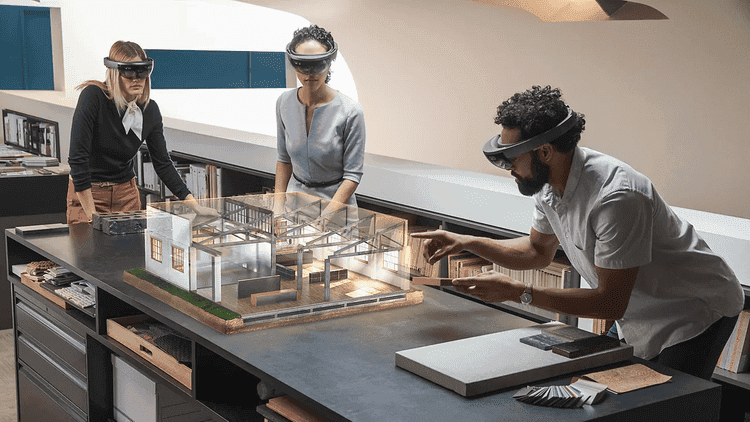
According to Next Move Strategy Consulting, the mixed reality (MR) market, encompassing augmented reality (AR) and virtual reality (VR), is experiencing an unprecedented surge in growth. The mixed reality sector is forecasted to skyrocket to USD 57.04 billion by 2030, registering a remarkable compound annual growth rate (CAGR) of 55.9% by 2030. This growth trajectory reflects the increasing demand for immersive and interactive experiences that merge physical and digital worlds.
The Mixed Reality Market, often referred to as the hybrid reality market, integrates the best of both AR and VR, offering seamless experiences that empower businesses and consumers alike. MR is helping businesses enhance productivity, foster collaboration, and elevate consumer engagement. This versatile technology is applied in industries such as automotive, healthcare, entertainment, e-commerce, retail, and more, transforming how organizations operate and interact with their customers.
Get Instant Access to a FREE Sample!
Market Dynamics: Driving Forces Behind the Surge
A combination of technological advancements, increased funding, and the rapid adoption of digital technologies is propelling the MR market’s growth. Venture capitalists and major tech giants, including Microsoft and Meta, are making significant investments to support the development of MR tools and solutions, which are becoming increasingly accessible to both businesses and consumers.
One of the major growth catalysts has been the integration of cutting-edge technologies such as artificial intelligence (AI), cloud computing, the Internet of Things (IoT) and big data analytics. These innovations are enabling businesses to create even more immersive and effective MR experiences, which are enhancing operational efficiency and transforming consumer interactions.
Download Sample of Internet of Things (IoT) Market
The adoption of AI technologies, such as ChatGPT, has also fueled market growth. In 2022, ChatGPT reached 1 million users in just five days, demonstrating how rapidly businesses and consumers are embracing AI. By 2023, this platform had amassed over 100 million monthly users. The accelerated adoption of AI technologies has created a fertile environment for the growth of mixed reality applications, especially in sectors like healthcare, education, and entertainment.
Furthermore, the entertainment and gaming industries are experiencing rapid growth, contributing to the increasing demand for MR technologies. According to PwC, the gaming industry alone is expected to reach USD 321 billion by 2026. MR is playing a key role in enhancing gaming experiences by blending real and virtual elements, offering players an immersive and interactive environment that extends beyond traditional gaming experiences.
Despite these positive trends, some challenges remain. The high cost and technical complexity of MR solutions pose barriers for widespread adoption. However, advancements such as the integration of light field displays are expected to provide significant opportunities for future growth. Light field displays can project images with depth and perspective, enhancing the realism and immersion of MR experiences.
Market Segmentation: A Multifaceted Industry
The mixed reality market is segmented into several key components, device types, applications, and regions. These segments offer a clear view of the market dynamics and highlight the diverse applications and industries that are benefitting from MR technology.
- By Component: The market is divided into hardware and software segments. Hardware includes devices such as MR headsets, sensors, and cameras, while the software segment covers applications and platforms that enable MR experiences.
- By Device Type: MR devices are classified into wired and wireless options. Wireless devices, such as standalone MR headsets, are gaining traction due to their portability and ease of use.
- By Application: MR is being applied across various industries, including automotive, healthcare, entertainment, e-commerce, and retail. MR is enhancing product design, enabling remote assistance, offering interactive marketing opportunities, and improving training processes.
- By Region: The market is analyzed across four primary regions: North America, Europe, Asia-Pacific, and the Rest of the World (RoW). Each region shows varying levels of adoption and growth potential based on industry needs and technological development.
Regional Analysis: North America and Asia-Pacific Lead the Charge
North America is currently the dominant region in the mixed reality market, and this trend is expected to continue throughout the forecast period. The region’s dominance is driven by significant advancements in the automotive industry and the growing adoption of MR technologies in manufacturing and training processes.
For instance, Ford has adopted MR technology in its manufacturing plants, leveraging Microsoft’s MR headsets to train employees in various tasks, such as engine assembly and tool adjustments. This digital transformation within the automotive sector is spurring demand for MR solutions, setting the stage for even greater innovation and operational efficiency.
In addition to the automotive sector, North America’s healthcare industry is another key driver of MR adoption. The use of MR in medical training, surgical simulations, and patient care is improving outcomes and streamlining operations. As the U.S. healthcare sector continues to grow—projected to reach USD 790 billion by 2026—the need for advanced MR solutions will continue to rise, creating new opportunities for innovation and growth.
Asia-Pacific is another region poised for substantial MR growth, particularly due to the expanding gaming industry. India, for example, is witnessing explosive growth in its gaming sector, expected to increase from USD 31 billion in 2024 to USD 8.92 billion by 2030. MR is enhancing gaming experiences by overlaying digital content into real-world environments, offering players an interactive and realistic experience. The introduction of MR technologies by global giants like Apple, which launched the Apple Vision Pro headset in China in 2024, further fuels this demand.
Competitive Landscape: Major Players and Strategic Moves
Several major companies are playing a crucial role in shaping the mixed reality market. These companies are focusing on product launches, partnerships, and innovations to maintain their dominance in this fast-evolving market.
Notable players in the mixed reality market include:
- Microsoft Corporation
- Meta Platform Inc.
- Hewlett Packard Enterprise
- Dell Technologies Inc.
- Asus Tek Computer Inc.
- Samsung Electronics Co. Ltd.
- HTC Corporation
- Seiko Epson Corporation
- Intel Corporation
In 2023, Meta launched a USD 250,000 mixed reality fund aimed at supporting startups in India, fostering innovation and market growth. Dell Technologies also made a major move with the launch of a tablet and stylus designed for MR environments, allowing users to participate in VR meetings and take notes seamlessly. Additionally, Siemens and TeamViewer formed a strategic partnership to integrate AR/MR solutions with product lifecycle management, further solidifying the role of MR in industrial applications.
The Future of Mixed Reality: Opportunities and Outlook
The mixed reality market is on an upward trajectory, driven by technological advancements, growing industry adoption, and significant investment from leading tech giants. As the market evolves, the integration of advanced technologies such as AI, light field displays, and IoT will continue to unlock new opportunities for businesses to innovate and improve operational efficiency.
As industries across the globe embrace mixed reality, it is clear that the technology will become an integral part of everyday business and consumer interactions. Whether in healthcare, automotive manufacturing, gaming, or retail, MR is creating immersive, interactive experiences that are revolutionizing how we work, play, and engage with the world around us.
