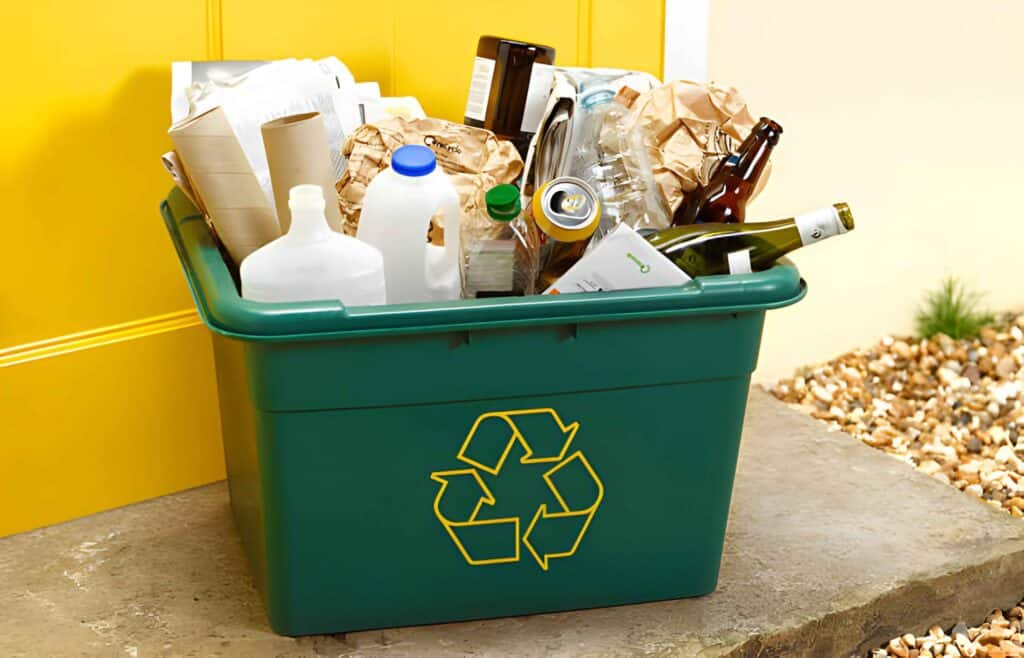
The China Waste Management Market is predicted to reach USD 126.83 billion at a CAGR of 7.8% by 2030. This market growth is driven by China’s commitment to addressing environmental concerns, evolving regulatory frameworks, and rapid urbanization, which has led to an increase in waste generation. As the country focuses on sustainability and circular economy principles, the waste management industry is undergoing a transformative shift.
Market Overview
China, as one of the world’s most populous nations and a major industrial hub, faces a monumental challenge in managing its waste. With urbanization increasing rapidly and the volume of waste generated by its growing middle class, waste management has become a top priority for the Chinese government. Over the last few years, China has made substantial investments in infrastructure, policies, and technologies aimed at improving waste collection, recycling, and disposal, all while pursuing its environmental and sustainability goals.
As the largest market for waste management in Asia, China is seeing increasing demand for modern waste management solutions, including waste-to-energy technologies, recycling systems, and advanced waste treatment facilities. This China Waste Management Market growth is expected to continue as China works to meet its ambitious waste reduction and recycling targets.
Click Here for Your FREE Sample!
Drivers of Market Growth
- Government Regulations and Policies:
The Chinese government has taken several steps to strengthen the country’s waste management infrastructure. As part of its commitment to environmental sustainability, China has introduced a range of policies aimed at improving waste collection, recycling, and waste-to-energy initiatives. In 2020, the government launched its “Waste Sorting Action Plan,” which focuses on promoting waste segregation and recycling in major cities. This initiative aims to reduce waste going to landfills and increase the rate of recycling, contributing to the country’s goal of achieving a circular economy.
Don’t Miss This Important Update
Additionally, China has imposed regulations on plastic waste, with bans on single-use plastic bags and plastic straws in urban areas. The government is also driving the development of waste-to-energy plants to reduce landfill reliance and create a renewable source of energy.
- Rapid Urbanization and Population Growth:
China’s rapid urbanization has fueled an increase in waste generation, with urban centers like Beijing, Shanghai, and Guangzhou facing significant waste management challenges. As people move from rural areas to cities, the demand for waste management services has surged. Cities are now under pressure to develop more efficient waste collection, recycling, and disposal systems. Urbanization also leads to an increase in construction and demolition waste, adding to the complexity of managing different types of waste.
Furthermore, with China’s growing middle class and disposable incomes, consumption patterns have shifted, leading to increased packaging waste, e-waste, and other consumer goods. This demographic shift presents both challenges and opportunities for waste management businesses in China.
- Rising Environmental Awareness:
There has been a significant increase in environmental awareness among both consumers and businesses in China. The public is more conscious of the impact of waste on the environment, and this shift in behavior is driving demand for recycling services, sustainable waste disposal solutions, and eco-friendly practices. The Chinese population is increasingly adopting waste segregation practices, both in residential and commercial sectors, creating new opportunities for waste management companies to innovate and enhance their services.
- Technological Advancements in Waste Management:
The rise of innovative technologies is another major factor contributing to the growth of the Chinese waste management market. China is leading in the development and adoption of waste-to-energy (WtE) technologies, which convert non-recyclable waste into renewable energy. With over 300 operational WtE plants across the country, China has become a global leader in this sector, using WtE plants to reduce landfill waste and generate electricity.
Moreover, the use of AI and robotics for waste sorting, the Internet of Things (IoT) for waste tracking, and smart waste management systems is transforming the waste management industry. Smart bins, sensors to monitor waste levels, and automated sorting facilities are improving the efficiency of waste collection and recycling processes.
- Circular Economy Focus:
China’s government is increasingly promoting a circular economy, which aims to keep resources in use for as long as possible, reduce waste, and promote the recycling and reuse of materials. This model is encouraging companies to design products that are easier to recycle and reuse, which is driving the demand for efficient waste management solutions. Waste management companies are investing in recycling technologies, resource recovery plants, and other innovative methods to support the circular economy agenda.
Key Segments in the Waste Management Market
The Chinese waste management market is diverse, with several key segments that reflect the broad range of waste management solutions required to meet the needs of a growing urban population. These segments include:
- Waste Type:
- Municipal Solid Waste (MSW): The collection, recycling, and disposal of residential and commercial waste. MSW is the largest segment in the waste management market and continues to grow with the urbanization trend.
- Industrial Waste: Industrial processes generate large quantities of waste, particularly hazardous materials, which require special treatment and disposal methods. This segment includes waste from manufacturing, chemicals, and construction industries.
- Construction and Demolition Waste (C&D): China’s rapidly growing construction sector contributes to a large amount of waste, including concrete, metal, and wood, which needs to be managed through recycling or proper disposal techniques.
- Service Type:
- Collection and Transportation: The collection of waste from homes, businesses, and industrial sites remains the backbone of China’s waste management system. Collection is often carried out by municipal services or private contractors, depending on the region.
- Recycling and Sorting: Recycling is a key focus for China’s waste management efforts, and significant investments are being made in sorting facilities and systems that can effectively process materials like plastics, metals, and paper.
- Disposal and Landfill Services: Though efforts are being made to reduce landfill usage, it remains a necessary component of China’s waste management strategy. Many regions still rely on landfills for non-recyclable waste.
- Waste-to-Energy (WtE): WtE technology is growing rapidly in China, converting waste into electricity, reducing landfill usage, and supporting renewable energy goals.
Conclusion
The China waste management market is on track for significant growth in the coming years. With strong government policies, technological advancements, and increasing consumer awareness, China is poised to make considerable strides toward creating a more sustainable waste management ecosystem. Businesses, investors, and industry stakeholders that align themselves with these trends will find ample opportunities to capitalize on the market’s expansion, helping China to achieve its environmental objectives and build a more sustainable future.
