According to Next Move Strategy Consulting, the wearable injectors market, a critical segment within the medical device industry focused on innovative drug delivery systems, is poised for significant growth. The market is projected to reach USD 17.58 billion by 2030, with a Compound Annual Growth Rate (CAGR) of 13.8% during the forecast period by 2030.
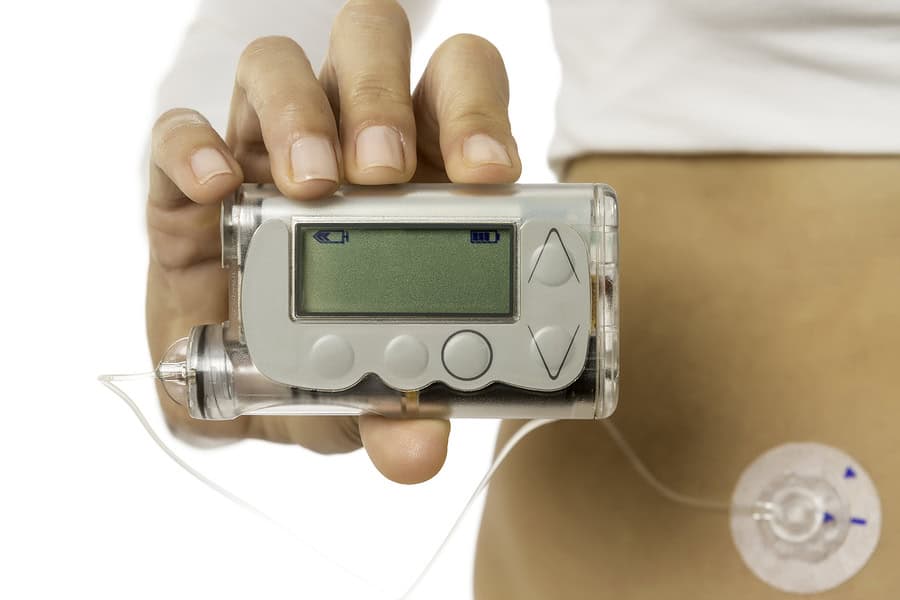
Wearable injectors, also known as on-body injectors, are revolutionizing drug administration, offering patient-centric, convenient solutions for managing chronic conditions. These devices are engineered to meet the growing demand for home-based, automated medication delivery for patients who require frequent treatment. With advanced features such as programmable dosing schedules, automatic needle insertion and retraction, and remote monitoring capabilities, wearable injectors are increasingly recognized for improving treatment adherence, reducing hospital visits, and enhancing overall patient care.
Market Dynamics and Trends
The demand for wearable injectors is being driven by several key factors, including the rising prevalence of chronic diseases such as diabetes, cardiovascular diseases (CVD), and other long-term health conditions that require consistent medication management. According to the World Health Organization (WHO), chronic diseases are responsible for approximately 41 million deaths globally each year, underscoring the urgent need for effective and convenient treatment solutions. Wearable injectors offer a patient-friendly alternative to traditional methods of administering medications, enabling patients to manage their conditions at home and thereby enhancing their quality of life.
Government investments in healthcare infrastructure are further fueling market growth. In countries such as India, the healthcare budget reached approximately USD 10.70 billion in 2023, reflecting a growing commitment to modernizing medical technologies. Similarly, the Government of Australia allocated USD 71.9 billion in healthcare spending in 2022, supporting advancements in medical devices like wearable injectors. These investments are enabling broader access to state-of-the-art treatment options, especially in the homecare setting, which is expected to continue as the global healthcare landscape evolves.
The integration of wearable injectors with smart technologies such as mobile phones and cloud-based monitoring systems presents an exciting future opportunity. These innovations allow for real-time data collection and remote adjustments to treatment regimens, enabling patients and healthcare providers to monitor and optimize care plans effectively. As these devices become smarter and more connected, they will play a crucial role in empowering patients, improving treatment outcomes, and reducing healthcare costs.
Market Segmentation and Scope
The is segmented based on type, technology, application, end-user, and region. Key segments include:
- By Type: On-body and off-body injectors.
- By Technology: Spring, motor drive, expanding battery, and rotary pump.
- By Application: Diabetes, immuno-oncology, cardiovascular, chronic pain, and others.
- By End-User: Hospitals, clinics, homecare settings, and others.
- By Region: North America, Europe, Asia-Pacific, and the Rest of the World (RoW).
Geographical Insights
The Asia-Pacific region dominates the wearable injectors market, driven by a rapidly aging population and a rising prevalence of chronic diseases. By 2050, the population of individuals aged 60 and above in Asia-Pacific is expected to reach 1.3 billion, according to the Asian Development Bank. This demographic shift is creating a strong demand for advanced healthcare solutions, particularly wearable injectors, which offer a less invasive, more convenient treatment option for elderly patients.
Countries such as China are also seeing a dramatic rise in chronic conditions like cardiovascular diseases, which affect approximately 330 million individuals in the country. As a result, the demand for wearable injectors is surging, providing patients with reliable, at-home treatment options for managing these conditions.
In North America, the market is experiencing steady growth, driven by government investments in healthcare infrastructure. The Centers for Medicare & Medicaid Services (CMS) reported that U.S. healthcare spending reached USD 4.84 trillion in 2023, reflecting a commitment to improving healthcare delivery. The presence of leading companies such as Tandem Diabetes Care, BD Libertas, and Pfizer further supports market expansion, with these companies investing in innovation and strategic acquisitions to enhance their product offerings.
Technological Advancements and Market Opportunities
The Wearable Injectors Market is witnessing significant advancements in technology, improving both the user experience and treatment efficacy. Key innovations include the development of longer-lasting battery technologies, integration with smart devices, and advancements in drug delivery mechanisms. These improvements allow wearable injectors to deliver precise doses of medication with minimal human error, making them ideal for chronic disease management.
Get Instant Access to a FREE Sample!
The growing trend of integrating wearable injectors with mobile phones and cloud-based monitoring platforms is further enhancing patient engagement. These technologies allow real-time monitoring of drug delivery and patient health metrics, enabling better clinical decision-making and personalized treatment plans. The ability to track and adjust dosages remotely empowers both patients and healthcare providers to optimize therapy, improving outcomes and patient satisfaction.
See What You’re Missing – Download a FREE Sample Now!
Competitive Landscape
The wearable injectors market is highly competitive, with several prominent players leading the way in product innovation and market expansion. Major companies in the market include Pfizer Inc., Gerresheimer AG, AbbVie Inc., BD Libertas, West Pharmaceutical Services, Inc., Ypsomed AG, Amgen Inc., Medtronic PLC, Insulet Corporation, Tandem Diabetes Care, Coherus BioSciences, Eli Lilly and Company, Medtrum Technologies, and Enable Injections.
These companies are employing various strategies such as new product launches, partnerships, and acquisitions to maintain their competitive edge. Notable recent developments include:
- In February 2024, Coherus BioSciences launched UDENYCA ONBODY, an on-body injector designed for chemotherapy patients, providing a more convenient treatment option for individuals living far from healthcare centers.
- Ypsomed launched the 10mL YpsoDose patch injector in December 2023, offering a pre-filled, pre-assembled solution designed to provide a reliable, user-friendly drug delivery option.
- Insulet acquired Automated Glucose Control LLC in February 2023 to enhance its Omnipod 5 wearable injector system, aiming to develop advanced diabetes management solutions.
Key Benefits
This market study offers a comprehensive analysis of the wearable injectors market, providing insights into the following:
- Quantitative Analysis: Market size and growth projections from 2024 to 2030, helping identify emerging trends and opportunities.
- Key Drivers and Restraints: A detailed examination of the factors influencing market growth, including the impact of chronic diseases, government spending, and technological advancements.
- Competitive Landscape: A thorough analysis of leading companies and their strategies, including mergers, acquisitions, and new product developments.
- Market Segmentation: Insights into the market’s key segments, providing a deeper understanding of regional and technological variations.
- SWOT and Porter’s Five Forces: A comprehensive evaluation of market dynamics, helping stakeholders assess their position in the market.
Conclusion
The wearable injectors market is positioned for strong growth, driven by the increasing prevalence of chronic diseases, technological advancements, and the growing demand for patient-centric healthcare solutions. As governments invest in modernizing healthcare infrastructures and patients seek more convenient and effective treatment options, wearable injectors are poised to play a pivotal role in the future of drug delivery.
