Japan Waste Management Market is predicted to reach USD 81.45 billion, at a CAGR of 5.6% by 2030. This growth is primarily driven by Japan’s strong emphasis on sustainability, government policies promoting waste reduction, and advancements in waste management technologies. As Japan faces challenges associated with increasing waste generation, especially in urban areas, innovative waste management solutions are being widely adopted.
Market Overview: Key Drivers of Growth
Japan Waste Management Market is poised for significant growth due to the following factors:
See What You’re Missing – Download a FREE Sample Now!
- Commitment to Sustainability: Japan has long been a leader in environmental sustainability and waste reduction efforts. The country’s strong commitment to reducing landfill waste, increasing recycling rates, and promoting waste-to-energy technologies continues to shape the market. Government policies and public initiatives focused on sustainability play a key role in driving demand for advanced waste management solutions.
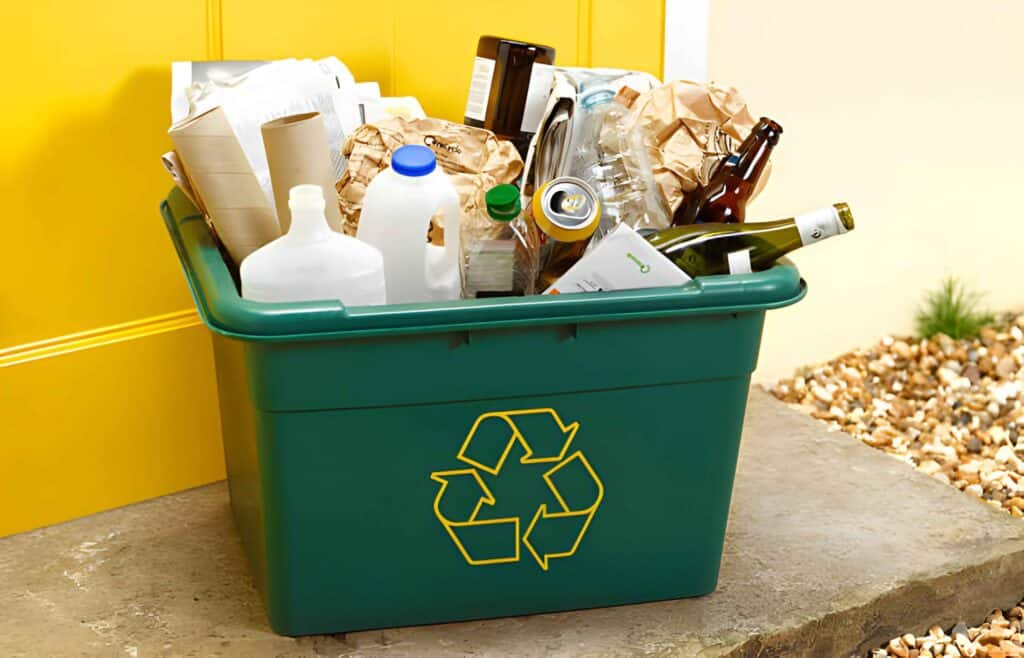
- Recycling and Circular Economy: Japan has one of the highest recycling rates in the world, with a strong focus on the circular economy. The country has implemented an extensive waste separation and recycling system, enabling it to reuse valuable materials such as plastics, metals, and paper. This commitment to recycling contributes to the growth of the waste management market as both public and private sectors invest in advanced recycling technologies and systems.
- Government Regulations and Policies: Japan’s waste management policies, such as the Waste Management and Public Cleansing Law and Extended Producer Responsibility (EPR) regulations, are pushing for greater waste segregation, recycling, and proper disposal. These regulations are pushing industries to adopt better waste management practices, making the market more sustainable and technologically advanced. The government’s focus on reducing waste generation and improving recycling rates will continue to drive market growth.
- Waste-to-Energy (WTE) Technologies: Japan has made significant advancements in waste-to-energy technologies, particularly incineration, gasification, and other processes to convert waste into renewable energy. WTE technologies help Japan address its waste disposal challenges while simultaneously contributing to its energy needs. The adoption of these technologies is expected to increase, further supporting the growth of the waste management market.
- Urbanization and Population Density: Japan’s urban population, particularly in cities such as Tokyo, Osaka, and Yokohama, continues to grow, leading to higher waste generation. Urban areas are increasingly adopting sophisticated waste collection and processing systems to manage the growing volume of waste. The demand for effective waste management solutions in these densely populated areas is expected to fuel market growth.
Segmentation of the Market
The Japan waste management market is segmented by service type, waste type, and region.
Get the Facts, Click to Read the News
By Service Type
- Collection Services: Waste collection services for residential, commercial, and industrial sectors.
- Recycling Services: Services focused on recycling materials such as paper, plastics, glass, and metals.
- Disposal Services: Includes landfill management and incineration services.
- Waste-to-Energy (WTE) Services: Conversion of waste into renewable energy through incineration or gasification technologies.
- Hazardous Waste Management: Specialized services for managing hazardous and toxic waste materials.
By Waste Type
- Municipal Solid Waste (MSW): Waste generated by households, markets, and public spaces.
- Industrial Waste: Waste produced from industrial activities, including chemicals, metal scraps, and manufacturing by-products.
- Electronic Waste (E-Waste): Discarded electronic devices such as computers, smartphones, and home appliances.
- Organic Waste: Biodegradable waste, such as food scraps and garden waste.
- Hazardous Waste: Toxic materials, including chemicals, pharmaceuticals, and medical waste.
By Region
- Kanto Region: Includes Tokyo, the largest metropolitan area, where waste management services are highly developed.
- Kinki Region: Includes Osaka and Kyoto, where significant advancements in recycling and waste-to-energy technologies are taking place.
- Chubu Region: Increasing demand for waste management solutions in industrial cities like Nagoya.
- Other Regions: Smaller cities and rural areas with growing waste management needs.
Key Trends in the Japan Waste Management Market
- Advanced Recycling Systems: Japan has been a pioneer in recycling technology. The country is investing in smart recycling systems, such as AI-based sorting and automated recycling technologies, to improve the efficiency and effectiveness of its waste processing. These innovations are expected to drive further growth in the market, helping Japan meet its ambitious recycling goals.
- Waste-to-Energy (WTE) Solutions: Japan is a leader in waste-to-energy technologies, with numerous waste-to-energy plants across the country. The government has actively supported the development of these plants as part of its efforts to reduce landfill waste while generating renewable energy. The WTE market in Japan is expected to grow as more waste treatment plants adopt advanced gasification and incineration technologies.
- Smart Waste Management: Japan is integrating smart technologies into its waste management operations. IoT-enabled waste bins, sensor-based waste tracking systems, and digital platforms for waste monitoring are gaining popularity. These technologies allow for real-time waste management data, optimizing waste collection routes and improving recycling processes.
- Plastic Waste Reduction: With the global focus on reducing plastic pollution, Japan is actively working to decrease its plastic waste. The government has introduced regulations to reduce single-use plastics, and companies are adopting alternative materials and packaging. The growth of recycling programs for plastics and the development of biodegradable alternatives are helping Japan address plastic waste challenges.
- Public-Private Partnerships (PPP): Japan is seeing increasing collaboration between the public and private sectors to address waste management challenges. Private companies are investing in waste treatment infrastructure, including recycling plants, incinerators, and waste-to-energy facilities. Public-private partnerships are vital in expanding Japan’s waste management capabilities and achieving sustainability goals.
Challenges in the Japan Waste Management Market
- Aging Population: Japan has one of the world’s oldest populations, which presents challenges for waste management. Older citizens may require specialized waste disposal services, and there may be concerns regarding the capacity of waste collection systems to meet the needs of an aging demographic. Ensuring accessible waste management services for all age groups is an ongoing challenge.
- Limited Space for Landfills: Japan’s dense population and limited land availability make it difficult to establish new landfill sites. This has resulted in the country relying heavily on incineration and waste-to-energy technologies for waste disposal. However, there are concerns about the environmental impact of incineration and the need for cleaner, more sustainable waste management solutions.
- E-Waste Management: With the rapid adoption of technology in Japan, the volume of e-waste is increasing. Managing e-waste and ensuring the recycling of valuable materials while safely disposing of hazardous components is a significant challenge. Japan is investing in e-waste recycling technologies, but there is still work to be done to ensure the safe handling of electronic waste.
Conclusion
The country’s commitment to waste reduction, recycling, and waste-to-energy solutions will continue to shape the industry, making Japan a global leader in waste management. As technological advancements, public-private partnerships, and government initiatives take center stage, Japan waste management market is poised for continued growth and transformation.
