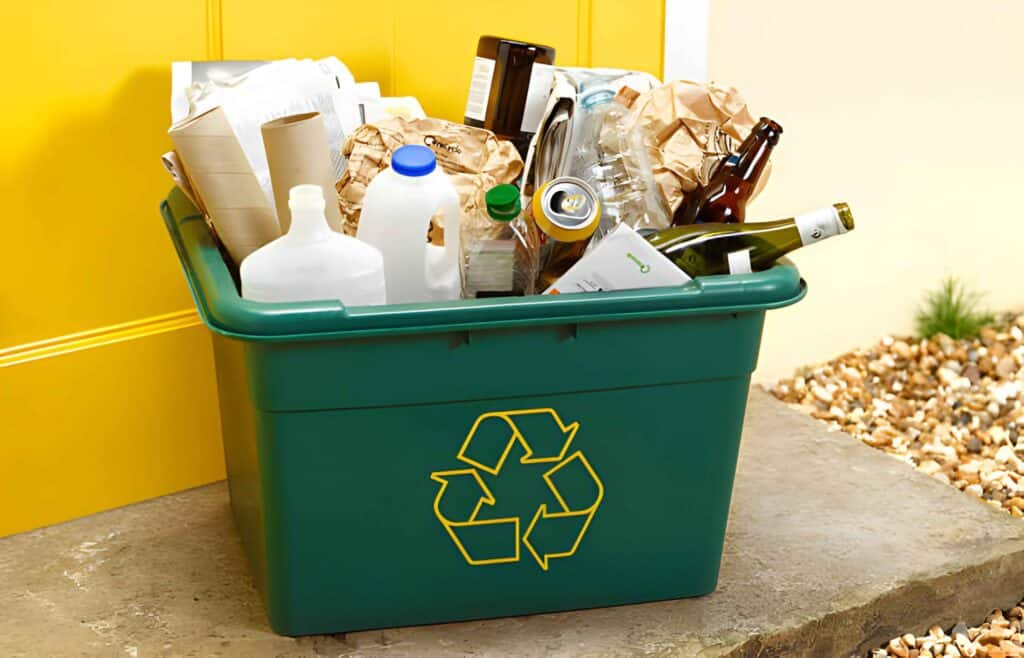
The Russia Waste Management Market is predicted to reach USD 8.91 billion, at a CAGR of 2.40% by 2030. This growth is primarily driven by increasing urbanization, rising environmental awareness, and the country’s transition toward more sustainable waste management practices. With the Russian government intensifying its efforts to improve waste management infrastructure, the demand for innovative recycling, waste-to-energy, and waste reduction technologies is on the rise.
Market Overview: Key Drivers of Growth
Several factors are driving the expansion of the waste management market in Russia:
- Urbanization and Population Growth: As Russia continues to urbanize, the volume of waste generated by its urban population is steadily increasing. Cities like Moscow, St. Petersburg, and Kazan are seeing rapid population growth, leading to an increase in residential, commercial, and industrial waste. The rising urbanization is creating an urgent need for effective waste management solutions to handle the growing waste volume.
- Government Regulations and Policies: The Russian government has introduced several initiatives to improve waste management, reduce landfill use, and promote recycling. The National Waste Management Strategy, which aims to reduce landfill usage and increase recycling rates, is expected to propel market growth. Additionally, recent regulatory changes related to waste sorting and recycling obligations are creating opportunities for waste management companies to implement innovative solutions.
- Environmental Concerns and Sustainability Initiatives: With growing environmental concerns about pollution and climate change, there is increasing pressure on Russia to adopt sustainable waste management practices. The demand for recycling solutions, waste-to-energy technologies, and waste diversion strategies is rising as both the public and private sectors work to reduce the environmental impact of waste.
- Technological Advancements: Technology is playing a vital role in transforming Russia Waste Management Market. Innovations such as automated sorting systems, waste-to-energy technologies, and smart waste management platforms are being increasingly implemented to optimize waste collection and processing. These advancements help reduce costs, increase efficiency, and improve the quality of recycling operations.
Unlock a FREE Sample – Try Before You Buy!
- Public Awareness and Corporate Responsibility: As public awareness about the environmental consequences of waste grows, more consumers are demanding sustainable waste management solutions. Additionally, many businesses in Russia are implementing corporate social responsibility (CSR) initiatives to improve waste management practices, contributing to the overall market growth.
Segmentation of the Market
The Russia Waste Management Market can be segmented by service type, waste type, and region.
By Service Type
- Collection Services: Includes residential, commercial, and industrial waste collection services.
- Recycling Services: Focused on processing recyclable materials such as plastics, paper, metals, and glass.
- Disposal Services: Includes landfill, incineration, and other disposal methods.
- Waste-to-Energy (WTE) Services: The conversion of waste into renewable energy through incineration, gasification, and other processes.
- Hazardous Waste Management: Specialized services for handling toxic materials, chemicals, and other hazardous waste.
By Waste Type
- Municipal Solid Waste (MSW): Household and commercial waste generated in urban areas.
- Industrial Waste: Waste produced from manufacturing processes, including chemicals, metal scraps, and industrial by-products.
- Electronic Waste (E-Waste): Discarded electronic devices such as computers, smartphones, and home appliances.
- Organic Waste: Biodegradable waste, including food scraps and yard waste.
- Hazardous Waste: Toxic substances such as chemicals, medical waste, and batteries.
By Region
- Western Russia: Including Moscow and St. Petersburg, where waste management infrastructure is more advanced.
- Siberian Region: Emerging markets for waste management solutions as urbanization increases.
- Southern Russia: Growing cities like Krasnodar are driving the demand for efficient waste management services.
Key Trends in the Russia Waste Management Market
- Circular Economy and Recycling: Russia is increasingly focusing on the circular economy model, which emphasizes reducing waste generation and increasing recycling rates. The government is introducing incentives for recycling companies, and there is growing interest in creating closed-loop systems for materials such as plastic, paper, and glass. With higher recycling targets in place, the adoption of recycling technologies is expected to rise.
- Waste-to-Energy Technologies: Waste-to-energy (WTE) solutions are becoming integral to Russia’s waste management strategy. Incineration plants, anaerobic digesters, and gasification technologies are being developed to convert waste into renewable energy. These technologies not only help reduce landfill waste but also contribute to Russia’s renewable energy generation targets.
- Technological Integration: The waste management sector in Russia is rapidly adopting smart technologies such as IoT enabled waste bins, AI-based sorting systems, and automated collection systems. These technologies are designed to optimize waste collection routes, improve recycling efficiency, and enhance overall waste management operations. The use of digital platforms for waste tracking and monitoring is also becoming more prevalent.
- Public-Private Partnerships (PPP): The Russian government is encouraging public-private partnerships to improve waste management infrastructure. Through PPPs, private waste management companies are able to invest in modern waste processing facilities, including recycling plants and waste-to-energy facilities. These partnerships are key to advancing the country’s waste management capabilities.
- Focus on Plastic Waste Reduction: Plastic pollution has become a major environmental issue in Russia, prompting the government to introduce stricter regulations on plastic waste management. Many businesses and municipalities are focusing on reducing single-use plastics, implementing plastic recycling programs, and promoting alternatives to plastic products.
Challenges in the Russia Waste Management Market
- Waste Contamination: One of the key challenges faced by Russia’s waste management sector is the contamination of recyclable materials. Contamination occurs when non-recyclable materials are mixed with recyclables, which significantly reduces the quality and effectiveness of the recycling process. Improving public education on waste segregation is essential to address this issue.
- Underdeveloped Infrastructure in Certain Regions: While major cities like Moscow and St. Petersburg have well-established waste management infrastructure, many regions in Russia still lack efficient waste collection, sorting, and recycling facilities. The expansion of infrastructure to underserved areas remains a key challenge for the sector.
- Regulatory Compliance: Russia’s waste management industry must comply with both national and international environmental standards, which can be complex and costly. Ensuring that businesses adhere to regulations related to waste disposal, recycling quotas, and landfill diversion is essential for the country’s sustainability goals.
- High Costs of Technological Adoption: Advanced waste management technologies, such as waste-to-energy facilities and automated sorting systems, require significant investment. The high upfront costs associated with these technologies may be a barrier for some companies, particularly smaller waste management providers.
Conclusion
Driven by increasing urbanization, government regulations, and a growing focus on sustainability, the market presents a wealth of opportunities for waste management companies. As Russia continues to invest in advanced technologies and infrastructure, it will play a leading role in the global push toward more efficient and environmentally responsible waste management practices.
