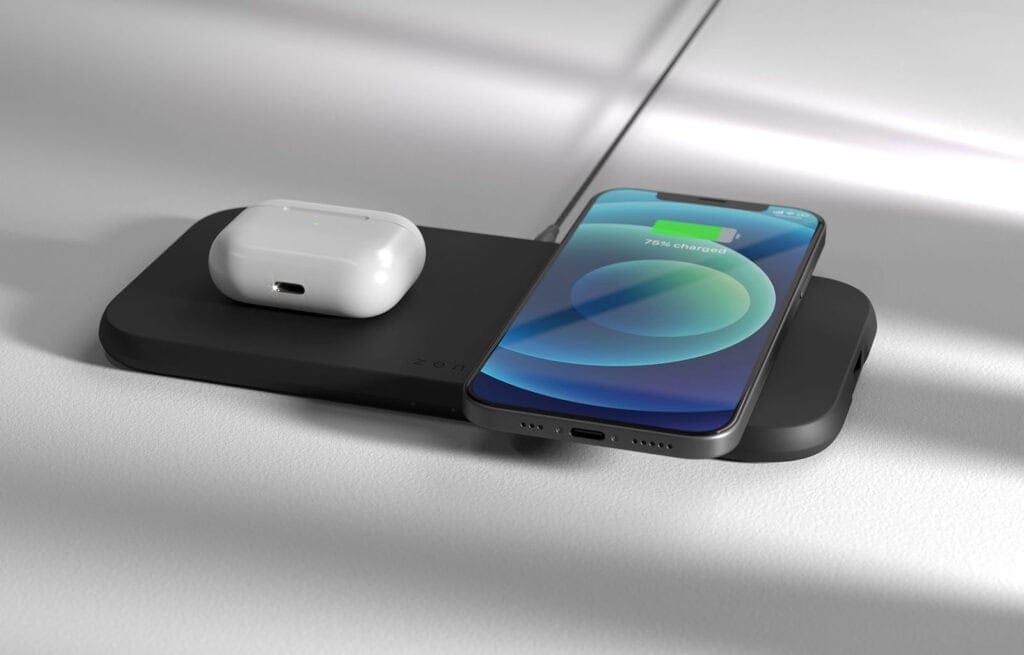
The North America Induction Charger Market is experiencing significant growth, fueled by the rapid adoption of wireless charging technologies across a wide array of industries. The region is becoming a key player in the global induction charger market, driven by advancements in technology, increasing demand for convenience, and the growing need for efficient and eco-friendly charging solutions.
Market Overview
North America Induction Charger Market is predicted to reach USD 320.71 million with a CAGR of 18.9% by 2030. Induction charging, also known as wireless charging, has emerged as a revolutionary technology in the charging space, allowing devices to be charged without the need for physical connectors. This method uses electromagnetic fields to transfer energy between two coils, enabling users to charge their electronic devices, electric vehicles (EVs), and other battery-powered gadgets wirelessly. The rise of smart devices, such as smartphones, wearables, and electric vehicles, has bolstered the demand for induction chargers, which offer enhanced convenience, safety, and durability compared to traditional wired charging methods.
According to market research, the North America induction charger market is expected to expand significantly over the next decade. The growth is driven by the increasing adoption of wireless charging solutions across consumer electronics, automotive, and industrial sectors, along with the growing trend of eco-conscious and cable-free environments.
Key Market Drivers
- Rising Adoption of Electric Vehicles (EVs)
One of the primary factors contributing to the growth of the North America induction charger market is the increasing demand for electric vehicles. With governments and private sectors investing heavily in EV infrastructure and offering incentives for EV adoption, the need for efficient charging solutions is growing. Inductive charging technologies are becoming increasingly popular for EVs, as they offer an easy, convenient, and safe way to charge without the need for physical connectors. This has led to the development of innovative wireless charging solutions for both public and private charging stations, making EVs even more attractive to consumers.
- Technological Advancements and Product Innovation
Advancements in wireless charging technology are continually improving the performance and efficiency of induction chargers. Key players in the market are focusing on innovations, including faster charging speeds, improved efficiency, and better compatibility with a wide range of devices. Companies are also exploring new materials and designs that can further reduce energy loss during the charging process. As technology continues to evolve, the North America induction charger market is poised for rapid growth as consumers and businesses alike seek out the latest charging solutions.
- Consumer Electronics and Wearable Devices
The proliferation of consumer electronics, particularly smartphones, wearables (such as smartwatches and fitness trackers), and other portable devices, has contributed to a surge in demand for wireless charging solutions. Induction chargers are increasingly being integrated into these devices, allowing users to enjoy cable-free charging at home, in the office, or while traveling. The convenience and ease of use that wireless chargers offer have made them highly attractive to tech-savvy consumers, further driving the market’s expansion.
- Environmentally Friendly Charging Solutions
As the world becomes more eco-conscious, the demand for green energy solutions is on the rise. Induction charging technology, with its ability to eliminate the need for disposable batteries and reduce electronic waste, is gaining traction as a sustainable alternative to traditional charging methods. The efficiency and eco-friendly nature of wireless charging solutions are encouraging more consumers to adopt this technology as part of their commitment to sustainability.
Key Market Challenges
While the North America induction charger market is experiencing strong growth, there are a few challenges that may impede its expansion:
- High Initial Costs
Although the benefits of wireless charging are clear, the high initial costs of induction chargers may deter some consumers and businesses from adopting the technology. This is particularly true for industries such as automotive, where the infrastructure and installation costs for wireless charging stations can be substantial. However, as the technology matures and economies of scale come into play, the costs are expected to decrease, making it more accessible to a wider range of consumers and businesses.
- Limited Compatibility and Standardization
Another challenge facing the market is the lack of universal compatibility and standardization among wireless charging devices. Currently, there are multiple competing wireless charging standards, which can make it difficult for consumers to find compatible chargers for their devices. However, efforts are being made to standardize the technology, which will help to streamline the market and promote greater adoption.
- Efficiency and Speed of Charging
Although induction charging technology has made significant strides, the charging speed and efficiency still fall behind traditional wired charging methods in some cases. However, as companies continue to invest in research and development, improvements in charging speed and energy transfer efficiency are expected to address these concerns and enhance the user experience.
Regional Analysis: North America
North America remains one of the largest markets for induction chargers, thanks to the region’s strong demand for innovative technologies, high disposable incomes, and tech-savvy consumer base. The United States and Canada are key markets for induction chargers, with a growing focus on consumer electronics, electric vehicles, and smart home devices. Government initiatives, such as tax incentives and grants for EV adoption and green technologies, are further driving the demand for wireless charging solutions.
The integration of wireless charging solutions into retail and hospitality environments is also gaining momentum. Commercial businesses are increasingly installing wireless charging stations in public spaces, such as airports, cafes, and hotels, to offer convenience to their customers and stay ahead of the competition. This trend is expected to continue growing as more businesses recognize the benefits of providing a cable-free experience for their customers.
Competitive Landscape
The North America induction charger market is highly competitive, with numerous established players and emerging startups vying for market share. Key market players include Qualcomm Technologies, Inc., Powermat Technologies, Inc., Energous Corporation, and WiTricity Corporation, among others. These companies are focusing on strategic partnerships, product innovations, and technological advancements to stay ahead of the competition and meet the growing demand for wireless charging solutions.
Conclusion
The North America induction charger market is set for robust growth in the coming years, driven by the increasing demand for wireless charging solutions across various industries. With technological advancements, the rise of electric vehicles, and growing consumer preferences for eco-friendly solutions, the region is poised to become a hub for wireless charging innovation. As the market matures, challenges such as high costs, limited compatibility, and efficiency concerns are expected to be addressed, paving the way for greater adoption of induction chargers and positioning the market for continued success.
