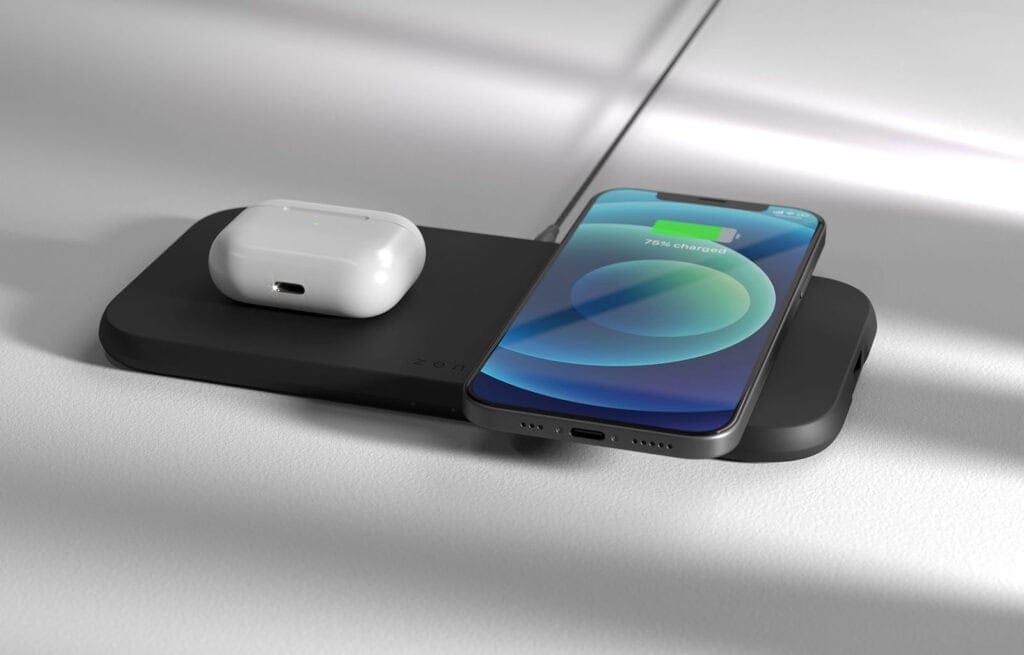
The Russia induction charger market is poised for significant expansion as wireless charging technology continues to gain popularity across various sectors, including consumer electronics, automotive, and industrial applications. With advancements in technology, growing adoption of electric vehicles (EVs), and increasing consumer preference for convenient charging solutions, the market is expected to see strong growth in the coming years.
Market Overview
Russia Induction Charger Market is predicted to reach USD 31.4 million with a CAGR of 13.3% by 2030. Wireless charging, also known as induction charging, uses electromagnetic fields to transfer energy from a charging station to a device without the need for physical connectors. This technology is being widely adopted in consumer electronics, such as smartphones and wearables, as well as in electric vehicles, offering users the convenience of a cable-free charging experience.
Test It First – Download Your FREE Sample!
The Russia induction charger market is benefiting from a combination of technological innovation and consumer demand for more efficient and sustainable charging solutions. Recent market research predicts robust growth in the sector, driven by the increasing use of wireless charging technology in both personal and industrial applications.
Key Market Drivers
- Rising Adoption of Electric Vehicles (EVs)
Russia is experiencing growth in the adoption of electric vehicles, supported by government initiatives to promote sustainable transportation and reduce reliance on fossil fuels. The demand for innovative EV charging solutions, including wireless charging, is on the rise as consumers seek more convenient and user-friendly alternatives to traditional plug-in chargers.
Wireless EV charging systems provide significant benefits, including ease of use, reduced wear and tear on charging equipment, and increased safety by eliminating exposed connectors. As the EV market in Russia expands, the demand for wireless charging infrastructure is expected to grow in parallel.
- Boom in Consumer Electronics
The increasing penetration of smartphones, tablets, wearables, and other electronic devices in Russia is another key driver for the induction charger market. Wireless charging has become a standard feature in many high-end consumer electronics, and its adoption is quickly expanding to mid-range devices as well.
Don’t Miss This Important News
Consumers are drawn to the convenience and aesthetics of wireless charging, which eliminates clutter caused by cables and connectors. As wireless charging technology becomes more efficient and widely available, it is expected to become the preferred charging method for a growing number of Russian consumers.
- Technological Advancements
Recent advancements in wireless charging technology have significantly improved energy transfer efficiency, charging speeds, and compatibility across a wide range of devices. These innovations address some of the challenges that initially limited the adoption of induction chargers, such as slower charging times and energy loss.
In Russia, both domestic and international companies are investing in research and development to bring advanced wireless charging solutions to market. These efforts are expected to further enhance the appeal and functionality of induction chargers, driving their adoption in both consumer and industrial applications.
- Focus on Sustainability
Sustainability is becoming a priority for both consumers and businesses in Russia. Wireless charging solutions align with these goals by reducing the need for disposable cables and connectors, minimizing electronic waste, and improving energy efficiency.
As environmental concerns continue to grow, the adoption of sustainable technologies like induction charging is expected to accelerate. This trend is particularly relevant in Russia, where government and corporate initiatives to promote green technology and reduce carbon emissions are gaining momentum.
Key Market Challenges
Despite the promising growth prospects, the Russia induction charger market faces several challenges:
- High Initial Costs
The cost of induction chargers remains higher than traditional wired alternatives, which may deter price-sensitive consumers and businesses. However, as the technology matures and production scales up, costs are expected to decrease, making wireless charging more accessible to a broader audience.
- Limited Standardization
The lack of universal standards for wireless charging technology can lead to compatibility issues between devices and chargers. As manufacturers work towards establishing common standards, this challenge is expected to diminish, paving the way for more seamless adoption of wireless charging solutions.
- Energy Efficiency and Charging Speed
While wireless charging technology has improved significantly, it still lags behind wired charging in terms of energy efficiency and charging speed. These limitations may affect its adoption in applications where fast charging is a priority. Continued technological advancements are expected to address these concerns in the coming years.
Competitive Landscape
The Russia induction charger market features a mix of global players and domestic companies competing to meet the growing demand for wireless charging solutions. Key international players, such as Samsung Electronics, Qualcomm Technologies, and WiTricity Corporation, are introducing cutting-edge products and forming partnerships with local businesses to expand their presence in the Russian market.
In addition, Russian companies are also investing in the development of innovative wireless charging solutions tailored to local needs. These efforts are contributing to a dynamic and competitive market environment.
Conclusion
The Russia induction charger market is set for substantial growth as demand for wireless charging solutions continues to rise across consumer electronics, electric vehicles, and other industries. Technological advancements, coupled with a growing focus on sustainability and convenience, are driving this trend and positioning wireless charging as the future of power delivery.
