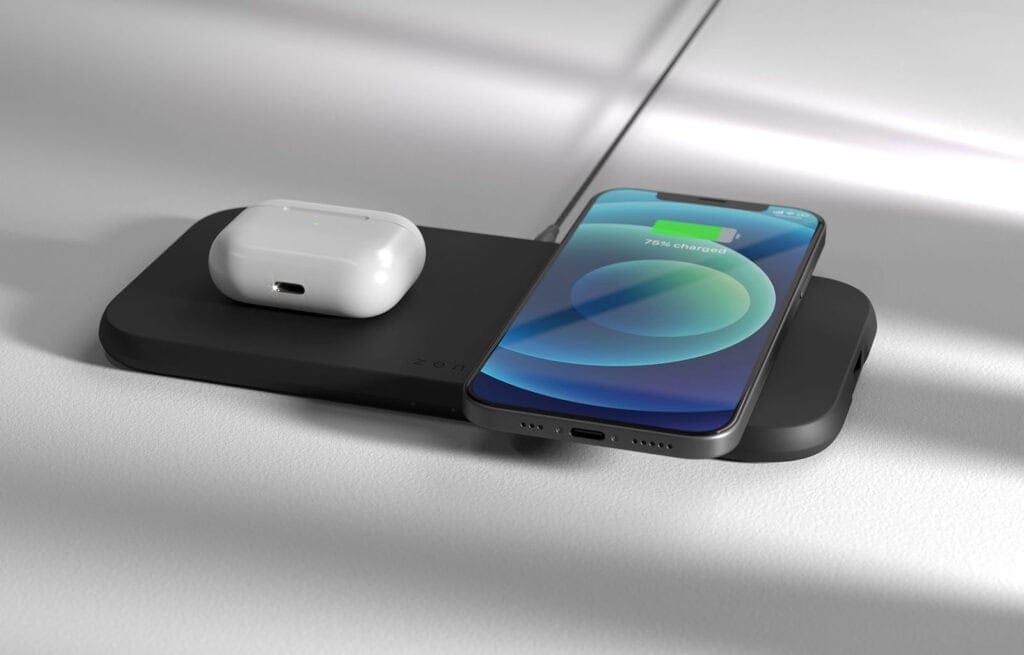
The U.S. induction charger market is poised for substantial growth in the coming years, as consumers and industries continue to embrace wireless charging solutions. The market is driven by the increasing demand for convenience, the proliferation of wireless-enabled devices, and advancements in charging technology.
Market Overview
The U.S. Induction Charger Market is predicted to reach USD 207.5 million, with a CAGR of 18.8% by 2030. Induction charging, or wireless charging, has rapidly gained traction as an efficient and convenient solution for powering a wide range of electronic devices. Inductive charging works by transferring energy through an electromagnetic field, allowing devices to charge without the need for physical connectors. This technology has become increasingly popular in consumer electronics, such as smartphones, smartwatches, and wireless earbuds, as well as in the automotive sector for electric vehicle (EV) charging.
Download Your Free Sample Today!
The growing trend towards cord-free devices and the rise of electric vehicles have led to increased demand for efficient and safe wireless charging systems. Additionally, the development of more advanced induction charging technologies, such as fast charging and multi-device charging solutions, has further contributed to the market’s expansion.
Key Market Drivers
- Rising Adoption of Wireless Charging in Consumer Electronics One of the most significant factors driving the growth of the U.S. induction charger market is the increasing adoption of wireless charging in consumer electronics. Smartphones, smartwatches, earbuds, and other gadgets are increasingly equipped with wireless charging capabilities, providing users with a more convenient and clutter-free experience. With more devices supporting Qi wireless charging standards, consumers are shifting toward wireless charging stations that can charge multiple devices simultaneously.
Additionally, as the demand for thinner, sleeker devices increases, wireless charging offers an attractive alternative to traditional wired charging methods, which require ports and connectors that take up valuable space.
Don’t Miss This Important News
- Growth in the Electric Vehicle (EV) Market The rapid expansion of the electric vehicle market is another key driver of growth for the induction charger market. As EV adoption rises, so does the need for efficient, fast, and convenient charging solutions. Inductive charging for EVs offers the potential to eliminate the need for physical connectors, making it easier to charge vehicles without the hassle of plugging in a cable.
Various automotive manufacturers are exploring wireless charging solutions for electric vehicles, and several pilot projects are already underway in the U.S. to test the practicality and efficiency of wireless EV chargers. The development of efficient and scalable EV wireless charging infrastructure is expected to play a significant role in the broader adoption of wireless charging technology.
- Technological Advancements in Wireless Charging Continuous advancements in wireless charging technology are helping to propel market growth. Over the past few years, there have been significant improvements in charging speed, energy efficiency, and the ability to charge multiple devices simultaneously. Fast-charging induction chargers are now capable of providing higher power output, enabling devices to charge more quickly compared to earlier models.
Additionally, innovations such as long-range induction charging, which allows charging at a greater distance from the charger, are being developed and tested. These advancements are expected to further enhance the user experience, encouraging more widespread adoption of wireless charging systems.
- Convenience and Consumer Preference for Cord-Free Solutions As consumers increasingly seek convenience, the appeal of wireless charging has grown. The ability to charge devices without the hassle of tangled cords or plugging them in provides a level of simplicity that traditional charging methods cannot match. This shift in consumer preferences has created a strong market demand for wireless charging solutions across various industries.
Challenges in the Market
Despite the promising growth, the U.S. induction charger market faces several challenges. One of the primary obstacles is the relatively high cost of wireless charging technology compared to traditional wired charging methods. While the cost of induction chargers has decreased over time, the initial investment in infrastructure, particularly for EV wireless charging stations, can still be prohibitive.
Another challenge is the need for standardization across various devices and industries. Although the Qi standard for wireless charging has gained widespread adoption, there are still variations in charging speeds, power outputs, and compatibility between different devices and chargers. Greater interoperability and standardization across products will be essential for the long-term growth of the market.
Market Outlook
The U.S. induction charger market is on track to experience significant growth driven by the increasing demand for wireless charging in consumer electronics and the automotive sector. As more devices adopt wireless charging capabilities, the market is expected to see a rise in demand for both home-based and public charging stations. Innovations in charging technology, such as faster charging speeds and the ability to charge multiple devices at once, will further accelerate market growth.
The electric vehicle segment, in particular, represents a substantial growth opportunity for the induction charger market. As EV adoption continues to rise, wireless charging solutions for vehicles are expected to become more mainstream, with companies investing in the development of efficient and scalable wireless charging systems for cars, buses, and other electric vehicles.
Conclusion
The U.S. induction charger market is poised for rapid growth, driven by the increasing adoption of wireless charging in consumer electronics, the rise of electric vehicles, and ongoing advancements in charging technology. The market is expected to see increased demand for convenient, efficient, and fast charging solutions, creating significant opportunities for manufacturers, technology developers, and industry stakeholders.
As the market continues to evolve, the development of affordable and standardized wireless charging systems will play a crucial role in shaping the future of the industry. With strong consumer interest and ongoing technological innovation, the U.S. induction charger market is well-positioned to grow substantially over the next decade.
