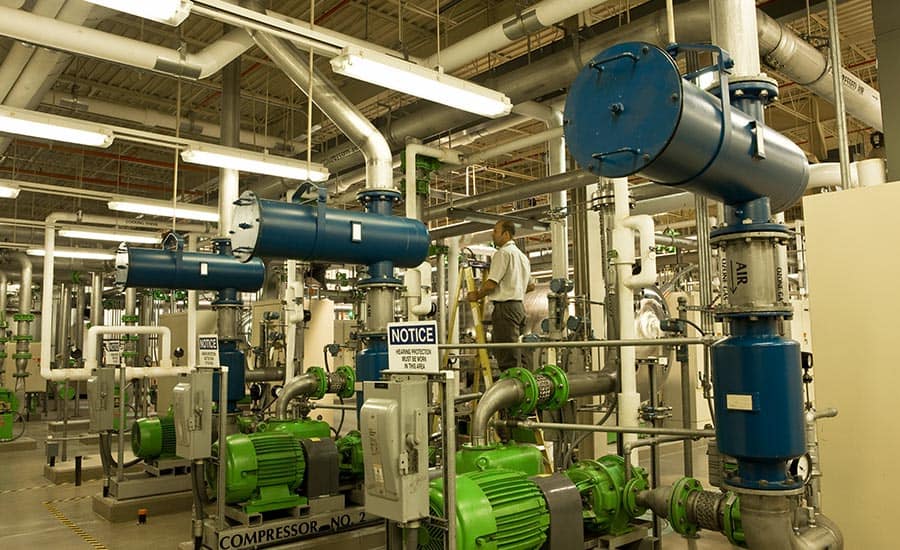
The U.S. air compressor market is projected to reach USD 6.08 billion growing at a compound annual growth rate (CAGR) of 3.3% till 2030, according to a new report by Next Move Strategy Consulting. The market’s robust growth is driven by increasing demand for compressed air across multiple industries, growing automation trends, and rising energy efficiency concerns. Air compressors are essential tools in numerous sectors, including manufacturing, automotive, construction, and healthcare, and as the U.S. economy continues its expansion, the demand for air compressors is expected to remain strong.
Key Market Drivers:
The U.S. air compressor market is expected to see consistent growth over the next decade, fueled by several key factors:
Start with a FREE Sample – Download Now!
- Growth in Industrial Automation:
The U.S. is witnessing rapid advancements in industrial automation, which is significantly boosting the demand for air compressors. As businesses seek greater efficiency and productivity, the need for automation in manufacturing processes is becoming more prevalent. Air compressors are integral to automation systems, providing compressed air to power machinery, tools, and equipment.
Industries such as automotive manufacturing, food and beverage, textiles, and pharmaceuticals require advanced air compressors to meet their growing needs. The increasing use of robotics, automation systems, and control mechanisms in production lines further drives the demand for reliable and energy-efficient air compressor systems.
- Surge in Construction Activities:
The construction industry in the U.S. is experiencing significant growth due to both residential and commercial developments. As construction activities increase, there is a growing demand for portable and efficient air compressors used in tasks such as powering pneumatic tools, sandblasting, and concrete compaction.
The U.S. government’s focus on infrastructure development, such as road construction, bridges, and public works, is also fueling the growth of the air compressor market. As these projects expand, the need for compressed air solutions for construction machinery and equipment will continue to rise.
- Rising Focus on Energy Efficiency:
The rising demand for energy-efficient equipment and machinery is another major factor driving the air compressor market. In recent years, U.S. industries have placed significant emphasis on reducing energy consumption, and air compressors have become a focal point due to their substantial energy demands.
To address these concerns, manufacturers are increasingly focusing on developing energy-efficient air compressors that reduce operational costs. Technologies such as Variable Speed Drive (VSD) compressors and oil-free compressors are expected to gain traction as businesses seek to minimize their environmental footprint and reduce long-term energy costs.
- Advancements in Technology:
Technology continues to evolve in the air compressor industry, and new product innovations are making air compressors more efficient and versatile. Features such as digital controls, IoT (Internet of Things) integration, and advanced monitoring systems are enhancing the performance of air compressors. These innovations enable businesses to monitor compressor performance in real-time, optimize energy consumption, and ensure that maintenance needs are met proactively.
Additionally, the growing trend of smart factories and smart manufacturing, particularly in industries like automotive and electronics, is creating new opportunities for air compressor manufacturers to integrate advanced technologies and stay competitive.
Technological Innovations and Product Trends:
The U.S. air compressor market is seeing significant technological advancements and evolving consumer preferences. Manufacturers are incorporating new features and improving performance to cater to the changing needs of industries.
- Oil-Free Air Compressors:
Oil-free air compressors are becoming increasingly popular, particularly in industries where air quality is crucial. In sectors such as food processing, pharmaceuticals, and electronics, clean and dry air is required to avoid contamination. Oil-free compressors eliminate the risk of oil contamination in compressed air, making them a preferred choice for applications requiring high purity standards.
The demand for oil-free air compressors is expected to continue to rise as industries place more emphasis on product quality and compliance with stringent regulatory standards.
- Variable Speed Drive (VSD) Compressors:
Variable Speed Drive (VSD) compressors are gaining significant traction in the U.S. air compressor market. VSD compressors can adjust their motor speed to match the air demand, optimizing power usage and reducing energy costs. These compressors are particularly beneficial in industries where compressed air usage fluctuates, as they provide a more cost-effective solution by consuming less energy.
VSD technology helps companies reduce their carbon footprint, meet sustainability goals, and lower operational expenses, making it an attractive option for industries with energy efficiency priorities.
- IoT-Enabled Air Compressors:
The integration of Internet of Things (IoT) technology into air compressors is revolutionizing the way industries manage their equipment. IoT-enabled compressors provide real-time data and remote monitoring capabilities, enabling businesses to track compressor performance, energy consumption, and maintenance schedules.
These smart compressors allow businesses to address potential issues before they cause downtime, improve operational efficiency, and reduce unexpected repair costs. As industries continue to adopt digitalization, IoT-enabled air compressors are expected to become a significant segment in the market.
Segmental Analysis:
The U.S. air compressor market is segmented based on type, end-use industry, and geography.
By Type:
- Reciprocating Air Compressors: Reciprocating air compressors, also known as piston compressors, are expected to hold the largest share of the market due to their cost-effectiveness and widespread use in various applications.
- Rotary Air Compressors: Rotary air compressors are increasingly preferred for their efficiency and continuous operation, making them ideal for industrial applications where large volumes of compressed air are required.
- Centrifugal Air Compressors: Centrifugal air compressors are primarily used in large-scale industrial operations that require consistent and high-volume compressed air. Their ability to handle significant airflow makes them suitable for power plants, chemical industries, and petrochemical operations.
By End-Use Industry:
- Manufacturing Industry: The manufacturing sector is the largest end-user of air compressors in the U.S. Air compressors are used across a wide range of manufacturing applications, including powering tools, machinery, and assembly lines.
- Construction Industry: As construction activities ramp up, the demand for portable air compressors used to power pneumatic tools and equipment is expected to rise.
- Automotive Industry: The automotive sector is a major contributor to the air compressor market, as air compressors are used for various purposes such as tire inflation, painting, and powering automotive tools.
- Healthcare Industry: The healthcare sector is increasingly utilizing air compressors for applications in hospitals, medical equipment, and for the production of pharmaceuticals. The growing demand for healthcare services and medical devices contributes to market growth in this sector.
- Others: Other industries, such as food and beverage, oil & gas, and electronics, are also substantial contributors to the demand for air compressors.
Conclusion:
The U.S. air compressor market is poised for substantial growth, driven by the increasing demand from industrial automation, construction, automotive, and healthcare sectors. The growing focus on energy efficiency, along with the adoption of new technologies like Variable Speed Drive (VSD) compressors and IoT-enabled solutions, will provide new growth opportunities for manufacturers.
Despite challenges such as high initial investment costs and maintenance concerns, the overall outlook for the air compressor market in the U.S. remains highly positive. With continued technological advancements and the rising need for energy-efficient and reliable equipment, the air compressor market is set to experience strong growth through 2030.
