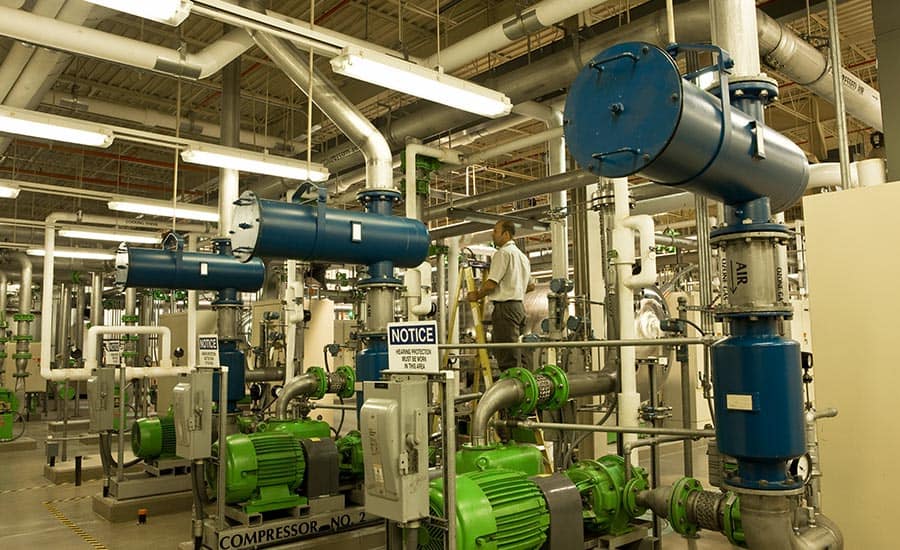
The Japan air compressor market is forecasted to reach USD 2.58 billion growing at a compound annual growth rate (CAGR) of 7.2% till 2030, according to a recent report by Next Move Strategy Consulting. The growth of this market is attributed to factors such as Japan’s strong industrial sector, increasing demand for energy-efficient solutions, advancements in smart technologies, and the rising need for sustainable air compressor systems.
Key Drivers of the Japan Air Compressor Market
The Japan air compressor market is being driven by several key factors, including the country’s focus on technological advancements, the increasing demand for energy-efficient solutions, and the growing trend of industrial automation.
- Strong Industrial and Manufacturing Sector
Japan has long been recognized as one of the world’s leading industrial powers. The country’s manufacturing sector is vast and diverse, spanning industries such as automotive, electronics, machinery, and chemicals. Japan is home to some of the world’s largest automobile manufacturers, including Toyota, Honda, and Nissan, all of which require highly efficient air compressors for their production lines.
- Increasing Demand for Energy-Efficient Solutions
Energy efficiency is a key focus in Japan, particularly due to rising energy costs and the country’s efforts to reduce carbon emissions. The Japanese government has implemented a range of policies aimed at promoting energy efficiency across industries, and this includes the adoption of energy-efficient air compressor systems.
- Advancements in Industrial Automation
Japan has been at the forefront of industrial automation, with robotics and automation technologies playing a major role in its manufacturing processes. The increasing use of robotics and automated systems in industries such as automotive, electronics, and pharmaceuticals is driving the need for air compressors to power pneumatic tools, robotic arms, and automated machines.
Key Trends in the Japan Air Compressor Market
Several key trends are shaping the future of the Japan air compressor market, including the growing adoption of smart air compressors, increasing preference for energy-efficient solutions, and the rising demand for oil-free compressors.
- Adoption of Smart Air Compressors
Smart air compressors, which are equipped with IoT (Internet of Things) capabilities and advanced monitoring systems, are gaining popularity in Japan’s industrial sector. These compressors provide real-time data on performance, energy consumption, and maintenance requirements, allowing businesses to optimize their operations and reduce downtime.
- Energy-Efficient and Eco-Friendly Solutions
Energy efficiency is one of the most significant drivers in the Japan air compressor market. As companies strive to reduce operational costs and meet environmental standards, the demand for energy-efficient solutions is increasing. VSD compressors, which adjust their speed based on demand, and oil-free compressors, which provide cleaner air and reduce maintenance costs, are gaining traction across industries.
- Shift Toward Oil-Free Air Compressors
Oil-free air compressors are expected to experience strong growth in Japan, particularly in industries that require the highest air quality standards. These industries include food and beverage production, pharmaceuticals, electronics, and medical devices, where the risk of contamination from oil-laden air is unacceptable.
Challenges in the Japan Air Compressor Market
Despite its strong growth prospects, the Japan air compressor market faces several challenges that could impact its development:
- High Initial Costs of Advanced Compressors
While energy-efficient and smart air compressors offer significant long-term savings, their high initial costs can deter some companies, especially small and medium-sized enterprises (SMEs), from upgrading their equipment. The higher upfront investment required for Variable Speed Drive (VSD) compressors and oil-free models may limit their adoption, particularly among cost-conscious businesses.
- Intense Market Competition
The Japan air compressor market is highly competitive, with both domestic and international manufacturers vying for market share. Leading global players such as Atlas Copco, Ingersoll Rand, and Kaeser are competing with local companies that offer cost-effective alternatives. This intense competition is driving product innovation but also exerting pressure on pricing.
- Need for Skilled Workforce
As Japan continues to adopt advanced air compressor technologies, the demand for skilled technicians who can install, maintain, and repair these systems is growing. The lack of skilled workers in the field of air compressor technology could hinder market growth, especially as industries become more reliant on smart systems that require specialized expertise.
Opportunities in the Japan Air Compressor Market
Despite the challenges, several opportunities are emerging for businesses in the Japan air compressor market:
- Expansion of Smart Manufacturing and Industry 4.0
Japan’s ongoing push for smart manufacturing and the implementation of Industry 4.0 technologies are creating opportunities for air compressor manufacturers. The adoption of connected and automated systems in manufacturing plants requires high-performance air compressors that can integrate with these technologies.
- Renewable Energy Growth
The transition to renewable energy in Japan is creating new opportunities for air compressors. As wind and solar power projects continue to expand, the need for specialized air compressors to support these initiatives will grow. Manufacturers that provide air compressors for renewable energy applications can tap into this growing market.
- Rising Focus on Sustainability
Sustainability remains a top priority in Japan, and industries are increasingly adopting eco-friendly solutions. The growing demand for energy-efficient and oil-free air compressors provides a significant opportunity for manufacturers to expand their offerings in the market. Companies that align their products with Japan’s sustainability goals and offer environmentally friendly solutions will likely see increased demand.
Conclusion
The Japan air compressor market is expected to continue its growth trajectory, driven by strong industrial demand, increasing adoption of energy-efficient and smart technologies, and the country’s ongoing focus on sustainability. While challenges such as high initial costs and market competition remain, businesses that invest in innovative solutions, smart manufacturing, and renewable energy projects will be well-positioned to succeed in the evolving market.
