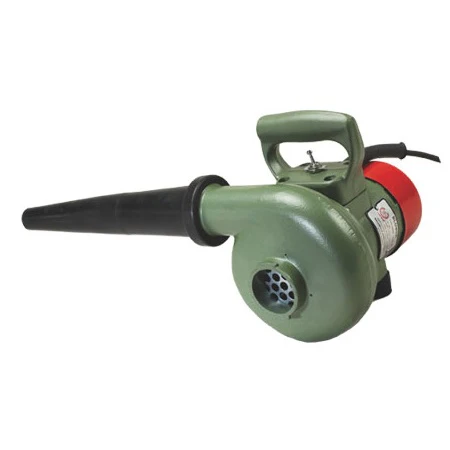
According to Next Move Strategy Consulting, the global Blower Market, which encompasses the production and distribution of centrifugal fans and air-moving devices, is experiencing steady growth and is expected to reach USD 6 billion by 2030. This marks a significant rise reflecting a compounded annual growth rate (CAGR) of 5% from 2024 to 2030. The market is driven by various sectors, including manufacturing, automotive, construction, and agriculture, highlighting the increasing demand for air movement and pressure-enhancing solutions.
Blower Market Overview
Blower Market, also known as centrifugal fans, are mechanical devices used to generate airflow or boost air pressure in various applications, from industrial processes to consumer products. These devices are integral to several systems, including HVAC (heating, ventilation, and air conditioning) systems, material handling, air circulation, and cooling systems in the automotive sector. The blower market encompasses a wide range of products, including centrifugal blowers, axial blowers, and rotary lobe blowers, which cater to diverse sectors, such as construction, automotive, agriculture, pharmaceuticals, and food processing.
Click Here for Your FREE Sample!
Key Market Drivers and Trends
The global growth in motor vehicle production is one of the primary factors driving demand for blowers. Automotive manufacturers increasingly rely on centrifugal fans for applications such as HVAC systems, engine cooling, and emissions control. As the automotive industry continues to expand, especially in emerging markets, the demand for efficient blowers to optimize vehicle performance and comfort is expected to rise.
Urbanization is another major driver of blower market growth. As global cities expand and populations increase, the demand for advanced air management systems is rising. These systems are essential for ensuring proper ventilation, temperature control, and air circulation in residential, commercial, and industrial buildings.
Additionally, rising concerns about air pollution have contributed to the growing market for blowers. Air pollution leads to significant health risks worldwide, and the World Health Organization (WHO) reports that air pollution is responsible for approximately 7 million deaths annually. In response to this, industries are increasingly investing in technologies that enhance air circulation and improve indoor air quality, driving demand for high-efficiency blowers capable of managing particulates and gases effectively.
Emerging Opportunities in Oil-Free Blowers
A promising development in the blower market is the growing adoption of oil-free blowers. These devices are gaining traction across industries that require contamination-free air, including pharmaceuticals, food processing, and electronics. By eliminating the need for oil lubrication, oil-free blowers offer reduced maintenance costs and enhanced air quality, which is essential for maintaining stringent industry standards.
This trend aligns with the growing focus on sustainable and eco-friendly solutions in industrial and commercial sectors, offering significant growth opportunities for manufacturers of oil-free centrifugal fans.
Market Segmentation
The blower market is segmented based on product type, pressure, distribution channel, end-user industry, and region.
- Product Type:
- Positive Displacement Blowers
- Centrifugal Blowers
- High-speed Turbo Blowers
- Regenerative Blowers
- Pressure:
- Up to 15 psi
- 15–20 psi
- Above 20 psi
- Distribution Channel:
- Online
- Offline
- End-User Industry:
- Cement
- Chemical
- Mining
- Chemicals & Petrochemicals
- Pulp & Paper
- Food & Beverage
- Pharmaceuticals
- Water & Wastewater Treatment
- Other
Geographical Insights
The Asia-Pacific region dominates the blower market, driven by significant industrial activity in countries like China and India. Asia-Pacific’s market share is largely due to its rapid industrialization and the expanding chemical and manufacturing industries.
In addition, India’s growing manufacturing sector is fueling demand for blowers, particularly in industries requiring advanced ventilation, cooling, and aeration systems.
In North America, the blower market is growing steadily, with increased demand for blowers in automotive manufacturing and residential air-moving devices. For example, Mexico ranks as the world’s seventh-largest manufacturer of passenger vehicles, and the demand for HVAC systems in new residential and commercial buildings is also on the rise.
Competitive Landscape
Leading players in the blower market include Ingersoll Rand, Atlas Copco, Aerzen Machine, Xylem, Kaeser Kompressoren, Inc., and others. These companies are adopting various strategies to stay competitive in the market, including product launches, mergers and acquisitions, and technological advancements.
- Aerzen launched a new turbo manufacturing plant in South Korea in March 2024, aiming to meet the increasing demand for high-performance blowers used in various industrial applications.
- Ingersoll Rand expanded its global footprint in December 2022 by acquiring Everest Group (India) and Airmax Groupe (France), enhancing its presence in high-growth sectors such as water treatment and pharmaceuticals.
Key Market Insights and Forecast
The growth is attributed to factors such as the increasing global vehicle production, rising urbanization, growing environmental concerns, and the demand for energy-efficient solutions.
Key Benefits of the Report:
- Quantitative analysis and market forecasting from 2024 to 2030.
- Identification of investment pockets and emerging opportunities in the blower market.
- In-depth analysis of key drivers, challenges, and opportunities.
- Competitive landscape, with detailed profiles of the major players.
- SWOT and Porter’s Five Forces analysis for deeper strategic insights.
Conclusion
The global blower market is poised for steady growth, driven by expanding industrial sectors, urbanization, and technological advancements. The demand for centrifugal fans and air-moving devices will continue to increase as industries and consumers seek solutions for efficient air management, cooling, and ventilation. With innovations such as oil-free blowers and energy-efficient designs, the future of the blower market is bright, offering abundant opportunities for manufacturers, investors, and stakeholders alike.
