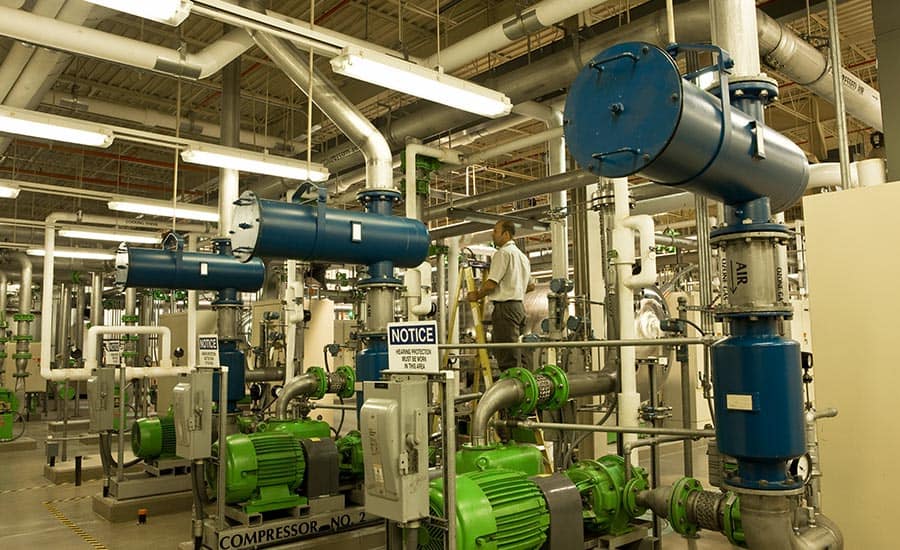
The Africa air compressor market is poised for significant growth, with projections indicating it will reach USD 804.9 million growing at a compound annual growth rate (CAGR) of 4.6% till 2030, according to a new report by Next Move Strategy Consulting. The market’s expansion is primarily driven by the region’s industrialization, rapid infrastructure development, and increasing demand for energy-efficient technologies across various sectors, including manufacturing, construction, and mining.
Key Drivers of the Africa Air Compressor Market
- Growing Industrialization and Infrastructure Development
Africa is witnessing rapid urbanization and industrialization, with several countries investing heavily in infrastructure projects. These include large-scale industrial developments, roads, bridges, and power generation facilities. Countries like Nigeria, South Africa, Egypt, Kenya, and Morocco are leading the way in industrial growth, resulting in a higher demand for air compressors.
- Demand from Mining and Oil & Gas Sectors
Africa is home to some of the world’s largest mining operations, particularly in countries like South Africa, Zambia, and Ghana. Air compressors play a crucial role in mining activities such as drilling, material handling, and ventilation. Additionally, the oil and gas sector, another key industry in the region, requires reliable air compressor systems for operations like pipeline transportation, gas storage, and offshore drilling. As Africa’s mining and oil and gas industries continue to expand, the demand for industrial-grade air compressors is expected to increase significantly.
- Energy-Efficient Solutions and Technological Advancements
Energy efficiency has become a growing concern in Africa, where electricity generation can be limited in some regions. Industries across the continent are increasingly seeking energy-efficient air compressors to optimize operations and minimize costs. This is driving the adoption of more advanced technologies, including variable-speed drive (VSD) compressors that adjust the motor speed to match the air demand, resulting in reduced energy consumption.
Moreover, advancements in oil-free and oil-lubricated compressors are meeting the demand for high-quality compressed air solutions, especially in industries like food and beverage, pharmaceuticals, and electronics, where air purity is critical.
Challenges Facing the Africa Air Compressor Market
- High Initial Costs
One of the key challenges hindering the widespread adoption of Africa air compressor market is the high initial investment required for high-performance, energy-efficient systems. Small and medium-sized enterprises (SMEs) in the region may find it difficult to justify the upfront costs, despite the long-term savings on energy bills. To address this challenge, air compressor manufacturers are offering flexible financing options and financing schemes that can make these systems more accessible to businesses of all sizes.
Test It First – Download Your FREE Sample!
- Limited Access to Skilled Technicians
While the demand for air compressors in Africa is on the rise, many regions still face a shortage of skilled technicians capable of servicing and maintaining these complex systems. Lack of access to trained professionals can lead to extended downtime in industries where air compressors are critical to daily operations. To overcome this challenge, manufacturers are expanding their service networks and investing in training programs to develop a local workforce capable of maintaining and repairing compressors.
Opportunities in the Africa Air Compressor Market
- Renewable Energy and Green Technologies
With Africa’s increasing focus on renewable energy, such as solar and wind power, air compressor manufacturers have an opportunity to develop products specifically designed for these sectors. Air compressors are essential for maintaining wind turbines and supporting solar power systems, as they help with tasks such as maintenance, cooling, and pressure regulation. As African nations continue to develop their renewable energy infrastructures, the demand for specialized air compressors in this sector is expected to grow.
- Growing Focus on Sustainability
Sustainability is becoming a key priority for African countries, with governments and industries recognizing the need to reduce their carbon footprint. This shift towards sustainability is expected to drive the demand for energy-efficient and eco-friendly air compressor technologies. Manufacturers offering energy-efficient solutions that reduce energy consumption and minimize environmental impact will have a competitive edge in the market.
Click to Uncover the Full News
- Expansion of the Manufacturing Sector
Africa’s manufacturing sector is rapidly expanding, with key industries such as automotive, textiles, and food processing experiencing significant growth. As African manufacturers strive to improve efficiency and competitiveness, they will increasingly rely on advanced air compressor systems for production processes. The rising demand for compressed air in these industries presents a lucrative opportunity for air compressor manufacturers to expand their market presence in Africa.
Conclusion
The Africa air compressor market is set to experience robust growth in the coming years, fueled by industrial expansion, the increasing adoption of energy-efficient technologies, and the ongoing demand for compressed air solutions across key sectors such as construction, mining, and manufacturing. Although challenges such as high initial investment costs and limited access to skilled technicians remain, the opportunities presented by renewable energy projects, industrial automation, and sustainable solutions provide a strong foundation for future market growth.
As the region continues to develop its infrastructure and diversify its industrial base, the air compressor market in Africa is expected to play a critical role in supporting economic growth, technological advancement, and industrial efficiency.
