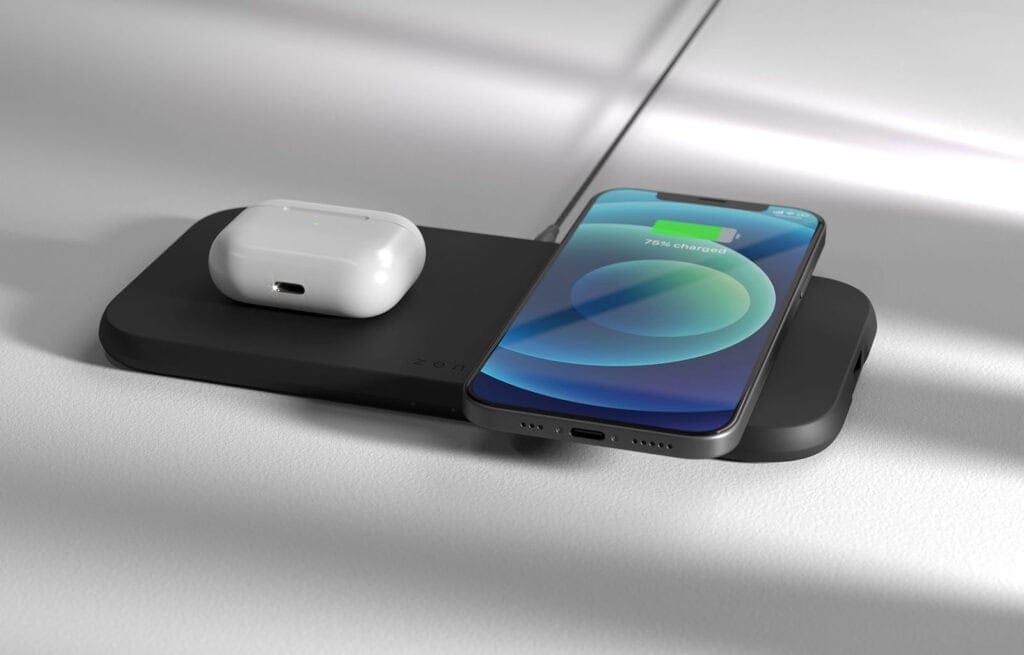
The induction charger market in Japan is on the brink of a major growth spurt, driven by advancements in wireless charging technology and a growing consumer demand for convenience and eco-friendly solutions. As Japan continues to lead in technological innovation and the adoption of smart devices, the market for induction chargers is expected to expand significantly in the coming years, offering both opportunities and challenges to industry players.
Japan Induction Charger Market is predicted to reach USD 73.7 million with a CAGR of 13.9% by 2030. Induction chargers, also referred to as wireless chargers, use electromagnetic fields to wirelessly transfer energy to devices, eliminating the need for physical cables and plugs. This technology has gained traction across a range of industries, including consumer electronics, automotive, and wearable devices. The shift towards a more connected, wireless world has fueled the demand for wireless charging solutions in Japan, where consumers are increasingly seeking out sleek, efficient, and sustainable ways to power their devices.
Experience It for Yourself – Download a FREE Sample!
Market Drivers:
Several key factors are driving the growth of the induction charger market in Japan:
- High Smartphone and Wearable Device Penetration: Japan has one of the highest rates of smartphone ownership in the world, with over 90% of the population using mobile devices. Alongside smartphones, wearables such as smartwatches and wireless earbuds have become integral to daily life. The growing prevalence of these devices, which require frequent charging, has boosted the demand for convenient wireless charging solutions. Induction chargers offer a seamless and modern way to keep multiple devices powered up without the clutter of cables.
- Electric Vehicle (EV) Growth: Japan’s commitment to sustainability and carbon neutrality is driving the adoption of electric vehicles (EVs) .The shift towards EVs is expected to increase demand for wireless charging solutions for electric cars. Inductive charging for EVs offers a convenient, no-plug solution for drivers, enhancing the overall user experience. This development is particularly relevant as Japan’s automotive industry continues to innovate with new electric models.
- Environmental Awareness and Sustainability: Japanese consumers are known for their environmental consciousness, and there is a growing trend toward reducing e-waste. Wireless charging technology helps mitigate environmental impact by reducing the number of physical cables and adapters needed, as well as offering more energy-efficient charging solutions. As sustainability continues to be a key focus for consumers, wireless charging technology aligns with their values, further accelerating its adoption.
- Technological Advancements: Technological innovation has been a cornerstone of Japan’s success in the global tech market. Recent improvements in wireless charging speed, range, and device compatibility are helping to make induction chargers a more viable and attractive option for consumers and businesses alike. Companies are racing to offer faster, more efficient charging solutions that are compatible with a wider range of devices, a trend that is expected to continue well into 2025.
Challenges and Opportunities:
While the induction charger market in Japan is poised for growth, there are some hurdles to overcome. High initial costs for advanced wireless chargers may deter some price-sensitive consumers, although prices are expected to decrease as competition and production scale increase. Additionally, varying standards in wireless charging protocols present a challenge for ensuring universal compatibility across devices. However, this also creates an opportunity for manufacturers to collaborate on creating universal standards, which would significantly boost the adoption of wireless charging technology.
Get the Facts, Click to Read the News
Conclusion
As Japan continues to lead in consumer electronics, automotive innovation, and sustainability efforts, the demand for wireless charging solutions will likely accelerate, opening up new opportunities for businesses in the wireless charging sector.
The increasing reliance on mobile devices, the rise of electric vehicles, and the drive for environmentally friendly products create a promising environment for induction chargers in Japan. As the technology evolves and becomes more accessible to consumers, wireless charging solutions are expected to become a key part of everyday life in Japan.
