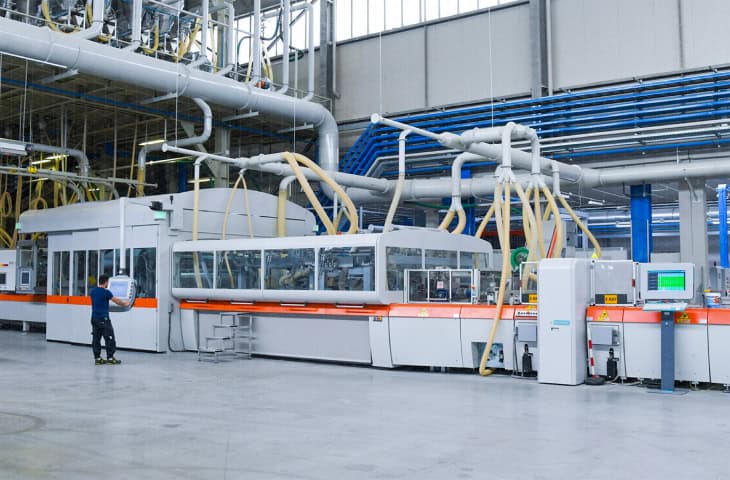
According to Next Move Strategy Consulting, the Australian ceramic machinery market, is poised for significant growth, with forecasts predicting a market size of USD 64.8 million by 2030. This expansion is driven by a robust compound annual growth rate (CAGR) of 4.8% by 2030. The market, which includes machinery used in the production of ceramic products such as tiles, sanitary ware, tableware, and advanced ceramics, is experiencing transformation fueled by urbanization, increased exports, and technological advancements.
Overview of the Australia Ceramic Machinery Market
The Australia Ceramic Machinery Market plays a vital role in the design, production, and distribution of equipment for manufacturing various ceramic products. These products are used in multiple industries, including construction, automotive, electronics, and more. The machinery required for ceramic production includes crushers, grinding mills, kilns, dryers, presses, and more, all contributing to the efficient production of ceramics.
Discover More – Get a FREE Sample Today!
Ceramic manufacturing equipment ensures high precision for shaping, glazing, and producing ceramics, guaranteeing consistent product quality, faster production, and reduced labor costs. As demand for high-quality ceramics grows, there is an increasing need for advanced machinery, coupled with investments in automation and technological advancements, which are reshaping the industry landscape.
Urbanization Fuels Demand for Ceramic Machinery
Urbanization is a major driving factor in the demand for ceramic machinery in Australia. As cities expand and infrastructure develops, the need for ceramic products such as tiles, sanitary ware, and decorative materials grows. These products are integral to modern construction, interior design, and renovation projects.
Don’t Miss Out! Get Your FREE Sample!
According to the Central Intelligence Agency (CIA), approximately 86.6% of Australia’s population lived in urban areas in 2023. This high rate of urbanization directly influences the demand for ceramic products, propelling the ceramic machinery market to meet the expanding requirements of the construction and renovation sectors.
As the construction industry grows, ceramic manufacturers must invest in more advanced machinery to meet the demand for high-quality, durable, and aesthetically appealing products. The Australian market is therefore poised for expansion as manufacturers upgrade their operations to stay competitive in an increasingly urbanized landscape.
Exports Growth Enhances Demand for Advanced Ceramic Machinery
Australia’s ceramic export sector is another key driver of market growth. With the increasing demand for Australian ceramic wares on the international stage, manufacturers are under pressure to enhance their production capabilities, ensuring products meet international quality standards while maintaining large-scale output.
In 2023, Australia exported ceramic wares valued at USD 144,050, primarily for laboratory, chemical, or other technical uses, according to the World Integrated Trade Solution. As export activities continue to grow, Australian ceramic manufacturers are turning to advanced machinery that can handle higher volumes and more intricate designs, providing them with the ability to compete on a global scale. This trend emphasizes the need for high-quality machinery capable of delivering superior durability and complex designs, characteristics that are critical in meeting the demands of global markets.
Challenges: High Initial Investment Hinders Growth
Despite the positive outlook for the ceramic machinery market, one of the most significant challenges to growth is the high initial investment required for advanced equipment. Purchasing and installing state-of-the-art machinery entails a substantial financial outlay, which can be a significant barrier, particularly for smaller companies and startups.
The large capital investment needed for sophisticated machinery poses a challenge for many businesses in the sector, preventing them from upgrading their facilities or expanding their capabilities. This financial strain limits the adoption of new technologies and could potentially hinder overall market growth.
Smaller players are often forced to rely on outdated equipment, which may not deliver the same level of efficiency, quality, and production capacity as modern machines. This results in a disparity between large-scale manufacturers with the resources to invest in new machinery and smaller ones that are unable to keep up with the technological advancements.
Innovative Opportunities: Inkjet Technology Integration
The integration of inkjet technology into ceramic manufacturing presents an exciting opportunity for the market. Inkjet technology enables high-resolution, customizable printing directly on ceramic surfaces, creating intricate designs, vibrant colors, and detailed patterns. This technology is a game-changer for the ceramics industry, as it allows manufacturers to meet the growing demand for personalized, aesthetically unique ceramics, particularly in the decorative and high-end sectors.
In addition to enabling greater customization, inkjet technology also improves production efficiency by reducing reliance on traditional, labor-intensive methods. This reduction in manual labor can lower operational costs while enhancing manufacturing speed and precision. The ability to create more detailed and intricate designs while maintaining high-quality standards offers manufacturers a significant competitive edge.
As the demand for customized ceramics continues to rise, inkjet technology is expected to play a major role in shaping the future of the Australian ceramic machinery market. This technological leap will likely become a key investment area for businesses aiming to stay at the forefront of the industry.
Key Segments of the Australia Ceramic Machinery Market
The Australian ceramic machinery market is segmented by type, product type, and end-user industry. Each of these segments offers unique opportunities for growth and innovation.
By Type:
- Shaping Machines
- Decorative and Glazing Machines
- Kilns and Firing Machines
- Raw Material Processing Machines
- Storage and Handling Machines
- Other Machinery
By Product Type:
- Tile
- Sanitary Ware
- Tableware
- Technical Ceramics
- Refractories
- Abrasives
By End-User:
- Construction
- Automotive
- Electronics
- Others
These segments highlight the diverse applications of ceramic machinery, with significant demand across construction, automotive, and electronics industries, among others.
Competitive Landscape
Several prominent players are driving growth in the Australian ceramic machinery market. Key companies include:
- Ceramix Australia
- KEDA Industrial Group Co., Ltd.
- HANDLE GmbH Maschinen und Anlagenbau
- Breton S.p.A.
- SACMI
- Others
These companies are contributing to market innovation by developing and deploying cutting-edge machinery that meets the growing needs of the ceramic manufacturing industry.
Market Outlook and Forecast
The Australia ceramic machinery market is projected to expand at a CAGR of 4.8% from 2024 to 2030, reaching a market size of USD 64.8 million by 2030. Key factors driving this growth include rapid urbanization, the expansion of ceramic exports, and the integration of new technologies such as inkjet printing. However, challenges such as high initial investment costs may temper growth, particularly among smaller manufacturers.
