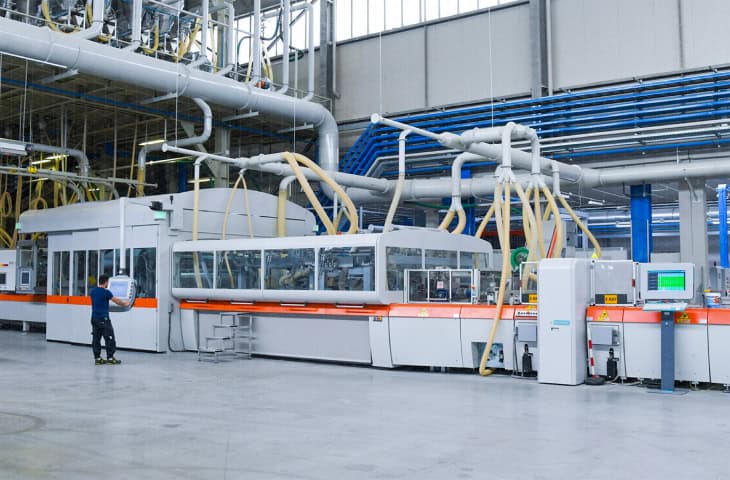
According to Next Move Strategy Consulting, the China Ceramic Machinery Market is set to experience steady growth over the next decade, projected to reach USD 1.50 billion by 2030, growing at a compound annual growth rate (CAGR) of 2.5% by 2030. This growth is largely driven by increasing demand for high-quality ceramic products fueled by rapid urbanization, expanding construction projects, and advancements in ceramic manufacturing technologies.
The ceramic machinery market, also known as the ceramic manufacturing equipment market, includes a broad range of machines used in the production of ceramic goods such as tiles, sanitary ware, tableware, and advanced ceramics. This market encompasses essential equipment, including crushers, grinding mills, kilns, dryers, and presses that support the entire ceramic production process, from raw material preparation to the final product.
Market Demand Driven by Construction Boom
The China Ceramic Machinery Market is experiencing robust growth primarily due to the rapid expansion of the construction industry in the country. Ceramic products, such as tiles, sanitary ware, and decorative materials, are integral components of modern construction projects, and the ongoing boom in residential, commercial, and infrastructure construction is driving demand.
See What You’re Missing – Download a FREE Sample Now!
According to the International Trade Administration’s 2023 report, China, as the world’s largest construction, is expected to invest approximately USD 4.2 trillion in new infrastructure between 2021 and 2025 under its 14th Five-Year Plan. This significant investment, coupled with the growing construction sector, is generating substantial demand for durable and high-quality ceramic materials, which in turn is propelling the growth of the ceramic machinery market.
“China’s construction industry is at the heart of global economic expansion, and the demand for quality ceramic materials is a direct result of the rapid growth in urbanization and infrastructure development,” said an industry analyst. “This not only boosts the demand for ceramics but also drives innovation in ceramic machinery, making it a highly attractive sector for investment.”
Don’t Miss Out! Get Your FREE Sample!
Urbanization and Growing Consumer Needs Fuel Market Growth
Urbanization in China continues to accelerate at an unprecedented pace, with over 60% of the population now residing in urban areas, according to the International Institute for Environment and Development’s 2024 report. This urban migration is expected to drive demand for residential, commercial, and public buildings, all of which require substantial quantities of ceramic materials.
The demand for high-quality ceramic products such as tiles, bricks, and other materials used in modern construction is directly linked to urban development. To meet this demand, manufacturers are increasingly turning to advanced ceramic machinery that offers efficiency, precision, and scalability.
“China’s rapid urbanization is creating a massive demand for ceramic products, not only for construction but also for home décor and furniture,” said a market expert. “As cities grow, there’s a need for advanced machinery that can produce high-quality ceramics at scale, meeting both functionality and aesthetic needs.”
High Initial Investment Presents Challenges for Manufacturers
Despite the positive growth outlook, the China Ceramic Machinery Market faces several challenges, particularly the high initial investment required for advanced machinery. Smaller companies and startups often struggle to secure the large capital needed to invest in modern equipment, which can hinder their ability to compete in an increasingly automated and technology-driven market.
Discover More – Get a FREE Sample Today!
Advanced ceramic manufacturing technologies require significant financial outlays for the purchase and installation of state-of-the-art machinery. This financial constraint is particularly burdensome for smaller businesses, limiting their capacity to scale operations or adopt new, more efficient production methods that could drive long-term growth.
“While large corporations have the financial means to adopt new technology, smaller players in the market face barriers to accessing modern machinery due to the high capital investment required,” said an industry specialist. “This disparity can hinder overall industry growth and technological advancement in the sector.”
Technological Advancements: Inkjet Printing Technology
One of the most promising trends in the China ceramic machinery market is the integration of inkjet technology into ceramic manufacturing processes. Inkjet printing allows for high-resolution, customizable designs to be applied directly to ceramic surfaces, enhancing both the aesthetic appeal and functionality of ceramic products. This technology is particularly beneficial for meeting the growing demand for personalized, intricate, and vibrant ceramic designs.
In addition to enhancing design capabilities, inkjet technology also improves manufacturing efficiency by reducing reliance on labor-intensive methods, ultimately lowering production costs. This innovation is expected to drive further market growth as manufacturers continue to explore ways to streamline production processes and cater to the increasing demand for customizable ceramic products.
“The integration of inkjet printing technology has the potential to revolutionize the ceramic industry,” noted a senior executive at a leading ceramic machinery manufacturer. “Not only does it allow for greater design flexibility, but it also enhances production speed and reduces costs, positioning manufacturers for future success.”
Competitive Landscape
The China ceramic machinery market is highly competitive, with several key players dominating the landscape. Leading companies include BAOTAO Machinery, Yongtao Machinery, Jinri Ceramic Machinery Co., Ltd., Yutai Machinery Technology Co., Ltd., KEDA Industrial Group Co., Ltd., LAEIS (DALIAN) TRADING CO., LTD, Shandong Victor Advanced Material Technology Co., Ltd., HLT Industry Co., Ltd., LB Officine Meccaniche S.p.A., and MODENA TECHNOLOGY LIMITED, among others. These companies are focusing on product innovation, strategic partnerships, and expansion to maintain their market share in an increasingly dynamic environment.
Key Market Segments
The China ceramic machinery market is segmented based on type, product, and end-user industries.
By Type
- Shaping Machines
- Decorative and Glazing Machines
- Kilns and Firing Machines
- Raw Material Processing Machines
- Storage and Handling Machines
- Others
By Product Type
- Tile
- Sanitary Ware
- Tableware
- Technical Ceramics
- Refractories
- Abrasives
By End-User Industry
- Construction
- Automotive
- Electronics
- Others
Future Outlook
Looking ahead, the China ceramic machinery market is poised for continued growth, driven by expanding construction and urbanization trends, the adoption of advanced technologies like inkjet printing, and a heightened focus on manufacturing efficiency. While the initial investment required for advanced machinery remains a challenge, the potential for market expansion, especially in the tile, sanitary ware, and advanced ceramic segments, presents a promising opportunity for industry players.
“The Chinese market continues to offer significant opportunities for growth, particularly as construction projects scale up and new technologies redefine production processes,” concluded the market analyst. “With strategic investments in automation and technological advancements, manufacturers in China will continue to drive innovation and meet the evolving demand for high-quality ceramics.
