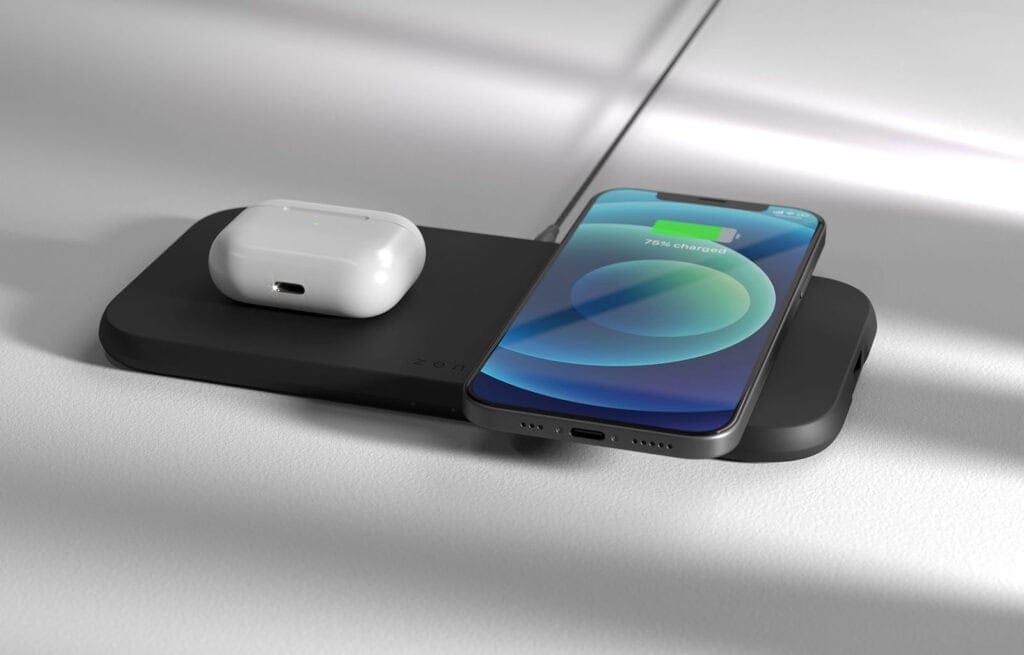
The induction charger market in Thailand is on track for significant growth, driven by increasing consumer demand for wireless, efficient, and eco-friendly charging solutions. With the rapid expansion of mobile device usage, the rise of electric vehicles (EVs), and growing awareness of sustainability, Thailand is poised to become a major player in the global induction charger market. As the technology continues to evolve, wireless charging is expected to redefine the way Thais power their everyday devices, marking a new era of convenience and innovation in 2025 and beyond.
Thailand Induction Charger Market is predicted to reach USD 64.2 million, with a CAGR of 16.6% by 2030. Induction chargers, also known as wireless chargers, use electromagnetic fields to transfer energy between the charger and the device, eliminating the need for physical cables. This technology is gaining momentum across industries, including consumer electronics, automotive, and more, providing a modern solution that aligns with the growing demand for clutter-free, seamless experiences. As the Thai market becomes more tech-savvy and environmentally conscious, induction chargers are positioned to become an integral part of daily life.
Don’t Miss Out! Get Your FREE Sample!
Key Market Drivers:
Several factors are driving the rapid growth of the induction charger market in Thailand:
- Smartphone and Wearable Device Adoption: Thailand has seen an impressive increase in smartphone ownership, with nearly 80% of the population using mobile devices. The adoption of wearable technology, such as smartwatches and wireless earbuds, is also on the rise. These devices, which often require frequent charging, have created a significant demand for wireless charging solutions. Induction chargers provide a convenient way to charge multiple devices simultaneously, appealing to tech-savvy Thai consumers seeking a streamlined charging experience.
- Electric Vehicle (EV) Growth: Thailand’s commitment to reducing its carbon footprint and increasing the adoption of electric vehicles is a key driver for the induction charger market. The Thai government has set ambitious goals for electric vehicle adoption, offering incentives to encourage both consumers and manufacturers to embrace greener transportation solutions. As electric vehicles become more common on the road, wireless EV charging solutions are expected to gain traction. Inductive charging for EVs eliminates the need for traditional charging cables, offering a hassle-free and more efficient alternative.
- Sustainability and Environmental Awareness: As consumers in Thailand become more environmentally conscious, there is a growing demand for products that are energy-efficient and reduce electronic waste. Wireless charging technology supports sustainability by eliminating the need for multiple charging cables, which often end up as e-waste. Additionally, the improved energy efficiency of wireless chargers is appealing to environmentally aware consumers who seek to reduce their carbon footprint.
- Technological Advancements: As the Thai tech landscape continues to evolve, advancements in wireless charging technology are enhancing the functionality and efficiency of induction chargers. Faster charging speeds, broader compatibility across devices, and improved design are making induction chargers more attractive to consumers. Major technology players are pushing for innovation, and these developments are expected to drive the market’s expansion throughout 2025.
Challenges and Opportunities:
Despite the strong growth potential, the induction charger market in Thailand faces a few challenges. One of the main barriers is the higher initial cost of some wireless charging products compared to traditional wired chargers. However, as competition in the market intensifies and production scales up, prices are expected to become more affordable, making wireless charging accessible to a broader segment of consumers.
Stay Ahead with the Latest News
Additionally, the absence of universal wireless charging standards can pose compatibility issues between devices. While some manufacturers have developed proprietary solutions, industry-wide collaboration on universal standards would help mitigate these challenges and foster faster adoption of wireless charging technology.
Conclusion
As consumer adoption of smartphones, wearables, and electric vehicles continues to rise, the demand for wireless charging solutions will increase. Moreover, as technology evolves, the growing need for sustainable and efficient charging systems will further accelerate market expansion.
The Thai market, with its increasing technological sophistication and focus on sustainability, presents a unique opportunity for businesses involved in the induction charger sector. In future, wireless charging will likely become a more integral part of everyday life, from homes and offices to vehicles, as Thailand continues to embrace cutting-edge technologies.
