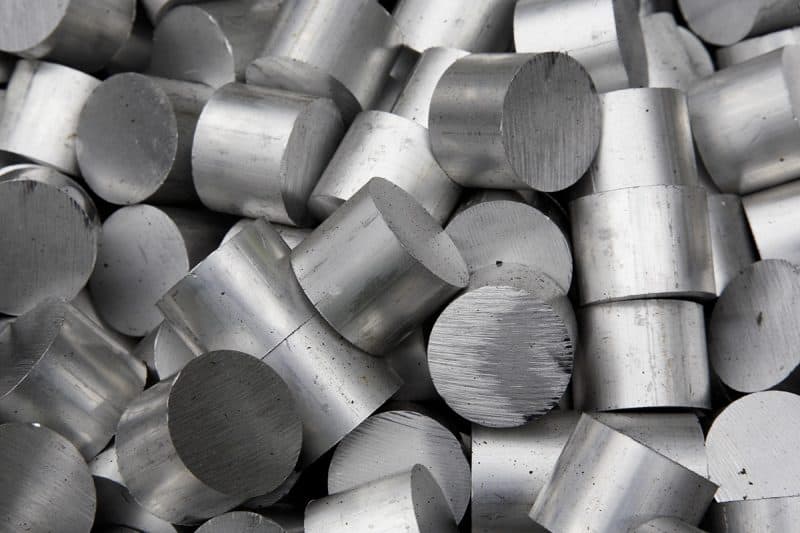
The global aluminum forging market is experiencing dynamic growth as industries increasingly turn to forged aluminum components for their strength, lightweight properties, and cost-effectiveness. Driven by rising demand in key sectors such as automotive, aerospace, defense, and manufacturing, the aluminum forging industry is undergoing significant transformations.
The Aluminium Forging Market is predicted to reach USD 24.30 billion with a CAGR of 6.9% by 2030. With an ongoing emphasis on sustainability, innovation, and the adoption of cutting-edge technologies, the market is poised for continued expansion in the coming years.
Start with a FREE Sample – Download Now!
Strong Demand from Key Industries
The aluminum forging market is benefiting from increasing demand across several high-growth sectors, with automotive, aerospace, and defense being the primary drivers.
In the automotive industry, aluminum forging is being widely adopted for producing critical components such as wheels, suspension parts, and engine components. The trend towards lightweight vehicles, driven by the need for improved fuel efficiency and lower carbon emissions, is significantly boosting the demand for aluminum forgings. Aluminum’s strength-to-weight ratio makes it an ideal material for vehicle manufacturers aiming to reduce weight without compromising safety or performance.
The aerospace sector is another key contributor to the aluminum forging market. Forged aluminum components are used extensively in the production of aircraft parts, including landing gear, engine components, and structural frames. Aluminum’s ability to withstand high stress and extreme temperatures while maintaining a low weight is essential in the aerospace industry, where performance and safety are paramount. With the rise of both commercial air travel and space exploration, the demand for forged aluminum in aerospace applications is expected to continue growing rapidly.
Defense and military applications also play a significant role in the aluminum forging market. Forged aluminum parts are commonly used in the production of vehicles, equipment, and weapons systems due to their strength, durability, and ability to perform in demanding conditions. As defense budgets increase and military modernization efforts expand globally, the need for high-performance aluminum forgings will continue to rise.
Technological Advancements and Innovations
Technological advancements are playing a central role in shaping the future of the aluminum forging market. The industry is seeing innovations in forging techniques, including precision forging, which allows manufacturers to create complex shapes with higher accuracy and less waste. These advancements not only improve the quality of forged components but also reduce production costs and energy consumption, making aluminum forging an even more attractive option for manufacturers.
Additive manufacturing (3D printing) is also influencing the aluminum forging market, enabling more complex and customized designs that were previously difficult or impossible to achieve with traditional forging methods. The integration of these technologies with conventional forging processes is leading to greater efficiency and customization options, allowing industries to meet the increasingly specific demands of modern applications.
See What You’re Missing – Download a FREE Sample Now!
Additionally, automation is transforming the aluminum forging process. Advanced robotic systems and machine learning are helping manufacturers optimize production, enhance precision, and minimize material waste. The use of digital tools for real-time monitoring and control is improving overall manufacturing efficiency, reducing lead times, and ensuring that aluminum forgings meet the highest quality standards.
Sustainability and Environmental Considerations
Sustainability is an essential focus for the aluminum forging industry, as companies are under increasing pressure to reduce their environmental impact. Aluminum is inherently a sustainable material, given its recyclability and long lifecycle. The process of aluminum forging typically generates less waste compared to other methods like casting, making it an attractive choice for industries focused on environmental stewardship.
Aluminum forgings are also contributing to sustainability goals in the automotive and aerospace sectors. By reducing vehicle weight, aluminum forgings help improve fuel efficiency and lower carbon emissions. In aerospace, lightweight aluminum forgings contribute to fuel savings and reduced environmental footprints of aircraft, aligning with the industry’s efforts to reduce emissions and improve sustainability.
Moreover, manufacturers are investing in energy-efficient forging equipment and techniques to minimize energy consumption during production. The shift toward cleaner energy sources, such as wind and solar, is also gaining traction in aluminum forging facilities, further reducing the carbon footprint of the industry.
Challenges and Market Outlook
While the aluminum forging market presents significant opportunities, it faces several challenges. One key issue is the volatility of raw material prices, particularly aluminum billets, which can impact production costs. Additionally, the global supply chain for raw materials and forged components can be disrupted by geopolitical tensions, trade restrictions, and logistical challenges, leading to potential delays and cost increases.
Despite these challenges, the market outlook remains positive. With increasing demand for lightweight, high-performance components across a range of industries, aluminum forging is well-positioned for continued growth. The ongoing technological innovations, coupled with a commitment to sustainability, will help the industry remain competitive and meet the evolving needs of its customers.
Conclusion
The aluminum forging market is experiencing strong growth, driven by the demand for lightweight, high-strength components in the automotive, aerospace, and defense sectors. Technological advancements, such as precision forging, additive manufacturing, and automation, are enhancing the capabilities of the industry, while sustainability remains a core focus. As industries continue to prioritize efficiency, performance, and environmental responsibility, aluminum forging will play a key role in shaping the future of manufacturing. With continued investments in innovation and sustainable practices, the aluminum forging market is set for continued success and expansion.
