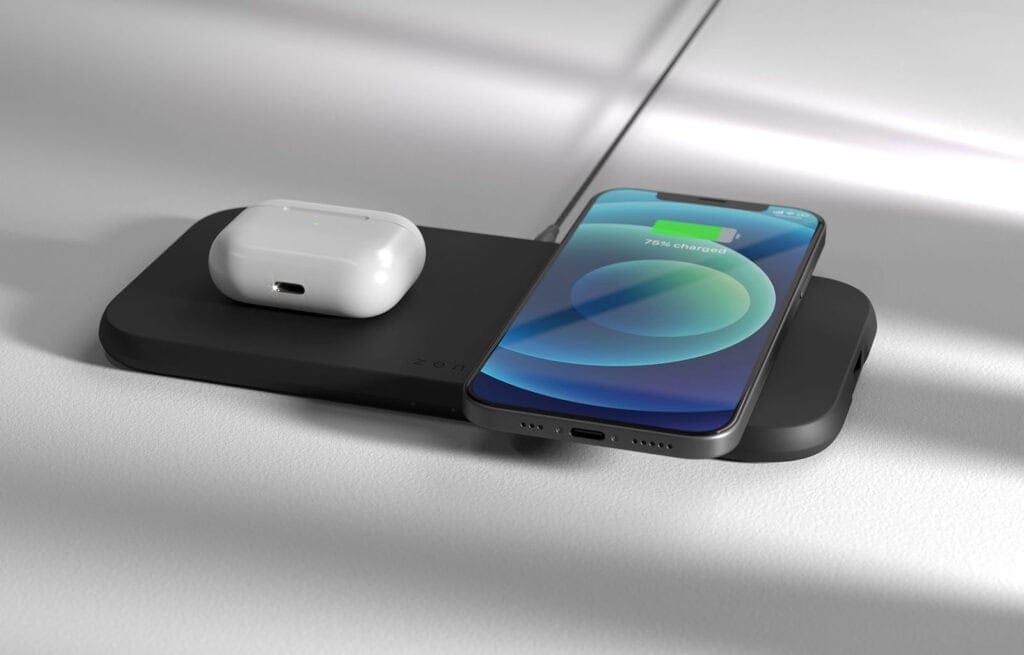
This growth is driven by the increasing adoption of electric vehicles (EVs), the rising demand for wireless charging solutions, and the continued technological advancements in energy-efficient induction charging systems. As Finland pushes towards sustainable energy solutions and a greener future, induction charging is becoming an increasingly critical component in the country’s move towards a cleaner and more efficient transportation system.
Finland Induction Charger Market is predicted to reach USD 67.7 million with a CAGR of 22.6% by 2030. Induction charging technology allows for the wireless transfer of energy between two coils without the need for physical connectors, providing convenience and eliminating wear and tear on charging ports. The market for induction chargers in Finland is gaining momentum due to several key drivers, including the rising number of electric vehicles, government initiatives supporting clean energy, and the growing demand for smart, efficient, and eco-friendly charging solutions.
Discover More – Get a FREE Sample Today!
Electric Vehicle Growth
One of the primary factors driving the growth of the induction charger market in Finland is the rapid adoption of electric vehicles. With the country’s commitment to reducing carbon emissions and increasing the use of renewable energy sources, electric vehicles are becoming a prominent part of the transportation landscape. Finland’s government has introduced various incentives and policies to promote EV adoption, such as subsidies for electric car buyers, tax rebates, and a nationwide network of charging stations.
Induction charging, also known as wireless charging, offers an efficient and convenient way to power electric vehicles without the need for physical cables. As EVs become more popular in Finland, the demand for induction chargers in residential, commercial, and public settings is expected to rise significantly.
Technological Advancements in Wireless Charging
Advancements in wireless charging technology are another key driver of the Finland induction charger market. Over the past few years, improvements in efficiency, charging speed, and compatibility with various devices have made induction charging a more attractive option for consumers. Additionally, with the rise of IoT (Internet of Things) and smart homes, wireless charging solutions are becoming more integrated into daily life. Consumers are looking for devices that offer seamless connectivity and convenience, and induction chargers are well-positioned to meet this demand.
The development of high-power wireless charging systems for electric vehicles, which offer faster and more reliable charging compared to traditional methods, is a significant factor driving growth in the Finnish market. These systems are being installed at public charging stations, homes, and businesses to accommodate the increasing number of EVs on the roads.
Sustainability and Green Energy
As part of its efforts to become a leader in clean energy, Finland is making significant strides toward sustainability, with a focus on reducing carbon emissions and promoting energy-efficient solutions. The widespread adoption of induction charging aligns with Finland’s environmental goals by reducing the need for traditional energy infrastructure and contributing to the overall shift towards green technologies.
Induction charging also supports sustainability by eliminating the need for physical charging cables and connectors, which can degrade over time and contribute to waste. By minimizing wear and tear, wireless charging helps reduce electronic waste, making it an environmentally friendly alternative.
Opportunities and Challenges
While the Finland induction charger market is poised for substantial growth, there are challenges that need to be addressed to fully realize its potential. One of the primary obstacles is the high initial cost of installation, particularly for businesses and public charging stations that need to implement large-scale wireless charging infrastructure. However, as technology continues to evolve and economies of scale are realized, the cost of induction chargers is expected to decrease, making it more accessible to a wider audience.
Additionally, standardization of wireless charging technologies is needed to ensure compatibility across different EV models, consumer electronics, and other devices. As the market matures, the development of industry-wide standards will be crucial for widespread adoption.
Conclusion
With the increasing adoption of electric vehicles, advancements in wireless charging technology, and Finland’s strong commitment to sustainability, the market is poised for significant growth in the coming years. As the country continues to prioritize clean energy and efficient technologies, induction charging will play a key role in supporting the transition to a greener future.
