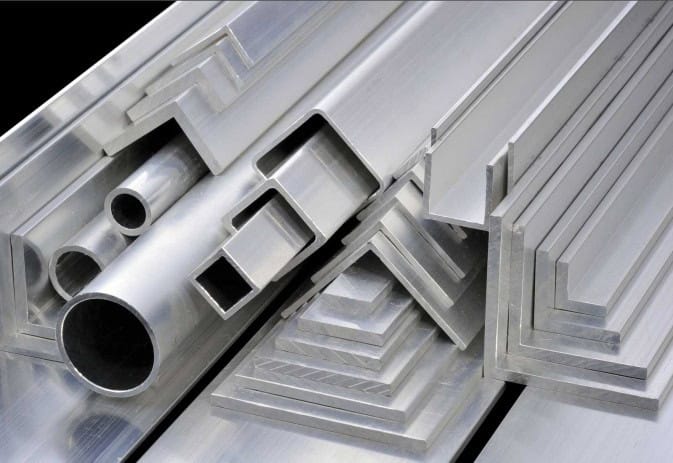
Japan aluminum market is experiencing significant growth, driven by increasing demand across industries such as automotive, construction, packaging, and electronics. With a strong commitment to innovation, sustainability, and advanced manufacturing technologies, Japan is positioning itself as a leader in the global aluminum market.
Japan Aluminium Market is predicted to reach USD 12.44 billion at a CAGR of 4.9% by 2030. As a country renowned for its technological prowess and environmental consciousness, Japan is leveraging its strengths to shape a greener, more sustainable future for the aluminum industry.
Claim Your FREE Sample and See the Difference!
Rising Demand Across Key Industries
Japan aluminum market is benefiting from growing demand in several key sectors, most notably automotive, construction, and packaging. The automotive industry remains the largest consumer of aluminum in Japan, with the material playing a pivotal role in the production of lightweight vehicles. As automakers aim to meet increasingly stringent fuel efficiency and emissions regulations, aluminum is the material of choice for reducing vehicle weight while maintaining strength and safety.
Don’t Miss This Important News
The construction sector in Japan is also a major driver of aluminum demand, particularly in the development of energy-efficient buildings and infrastructure projects. Aluminum’s durability, versatility, and recyclability make it an ideal material for sustainable construction, especially in high-rise buildings, window frames, and facades.
In packaging, aluminum continues to be a popular material, especially in the food and beverage industry. Its recyclability, combined with its ability to preserve freshness and quality, makes aluminum a highly attractive option. As Japanese consumers become more environmentally conscious, the demand for aluminum packaging that can be recycled and reused is on the rise.
Additionally, Japan’s electronics industry is increasingly utilizing aluminum for the production of lightweight, high-performance components in consumer electronics such as smartphones, laptops, and tablets. The trend toward sleek, durable, and eco-friendly designs is helping drive the demand for aluminum in this sector.
Technological Advancements and Innovation
Japan aluminum industry is renowned for its technological innovation. Japanese companies are at the forefront of adopting new manufacturing techniques, including automation, artificial intelligence (AI) and digitalization, to improve the efficiency and quality of aluminum production. These technologies help to optimize processes, reduce energy consumption, and enhance product precision.
A key area of focus is the development of aluminum alloys with enhanced properties, including lightweight, strength, and corrosion resistance, to meet the evolving demands of industries like automotive and aerospace. Japan is also leading efforts in aluminum recycling, with a growing emphasis on improving recycling processes to increase material recovery rates and reduce waste.
One of the most notable innovations is the development of high-performance aluminum for use in electric vehicles (EVs) Japan’s automakers and aluminum producers are working closely to create lightweight, durable, and energy-efficient materials that help improve the overall performance of EVs and reduce their carbon footprint.
Sustainability and Circular Economy
Sustainability is a core pillar of Japan aluminum market. The Japanese government has set ambitious goals for reducing carbon emissions, and the aluminum industry is playing a vital role in achieving these objectives. A key aspect of this effort is the increased focus on aluminum recycling, as the metal can be recycled indefinitely without losing quality.
Japan is a global leader in recycling, with one of the highest aluminum recycling rates in the world. The country’s commitment to recycling not only helps conserve natural resources but also significantly reduces the energy required to produce new aluminum. In fact, recycling aluminum uses up to 95% less energy compared to primary aluminum production, making it a critical component of Japan’s broader sustainability goals.
Japanese aluminum producers are also increasingly integrating renewable energy sources, such as wind and solar power, into their production processes. By reducing reliance on fossil fuels, these companies are further lowering their carbon footprint and contributing to Japan’s goal of achieving carbon neutrality by 2050.
The rise of the circular economy is also being embraced by Japan aluminum industry, with a focus on reusing and recycling aluminum products across various sectors. This approach not only helps reduce waste but also ensures that aluminum remains a valuable resource that can be used repeatedly without compromising its quality or performance.
Challenges and Market Outlook
While the outlook for Japan aluminum market is positive, the industry faces several challenges. Rising energy costs, especially related to the production of primary aluminum, could impact profit margins for producers. Furthermore, global supply chain disruptions and fluctuations in the price of raw materials may create uncertainty in the market.
Despite these challenges, Japan aluminum industry is well-positioned for growth. The country’s focus on innovation, sustainability, and the circular economy ensures that its aluminum sector remains competitive in the global market. As industries continue to demand more lightweight, durable, and eco-friendly materials, Japan’s aluminum producers are poised to meet these needs and capitalize on emerging opportunities.
Conclusion
Japan aluminum market is on a strong growth trajectory, driven by increasing demand across key industries, technological advancements, and a commitment to sustainability. As the country continues to prioritize green production methods, recycling, and energy efficiency, Japan is set to maintain its position as a global leader in the aluminum industry. With a focus on innovation, environmental responsibility, and circular economy practices, Japan is shaping the future of aluminum, contributing to a more sustainable and low-carbon world.
