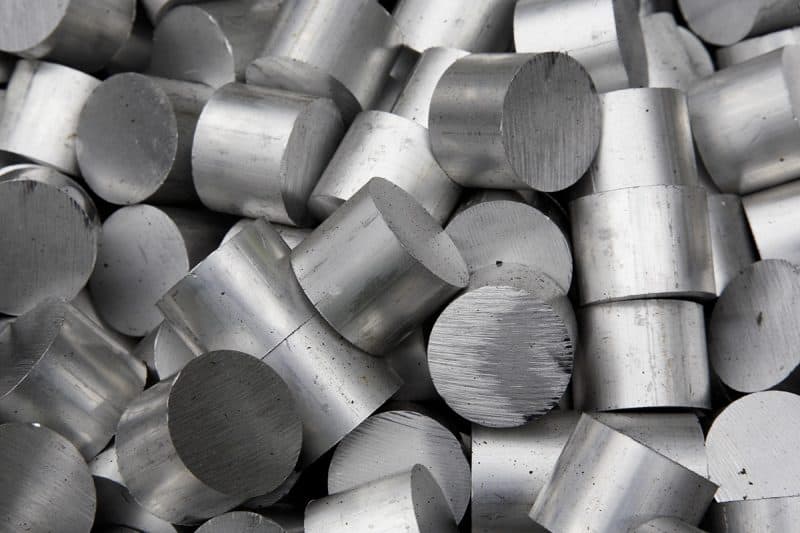
The market growth is fueled by the increasing demand for aluminium across key sectors such as automotive, construction, packaging, electrical, and renewable energy. With growing industrialization and infrastructure development in countries like Brazil, Mexico, and Argentina, aluminium is emerging as a critical material in the region’s economic transformation, and its demand is expected to expand significantly in the coming years.
Latin America Aluminium Market is predicted to reach USD 7.37 billion, at a CAGR of 10.1% by 2030. Aluminium’s unique properties, such as its lightweight, strength, corrosion resistance, and recyclability, make it an ideal material for various industries. In Latin America, the demand for aluminium is rising, driven by several factors, including robust growth in automotive production, construction activities, packaging needs, and the ongoing transition to renewable energy sources.
Start with a FREE Sample – Download Now!
Automotive Industry: Lightweighting and Sustainability
The automotive sector is one of the largest consumers of aluminium in Latin America. As car manufacturers focus on improving fuel efficiency, reducing carbon emissions, and complying with stricter environmental regulations, the demand for lightweight materials like aluminium is increasing. In addition to traditional vehicles, there is also a growing adoption of electric vehicles (EVs) in the region, which require lightweight materials to optimize battery efficiency and enhance driving range.
Brazil and Mexico, two of the largest automotive manufacturing hubs in the region, are seeing a shift towards the use of aluminium in vehicle bodies, chassis, engines, and other components. This trend is expected to continue as Latin America adopts more sustainable transportation solutions. As EV production grows and governments introduce policies to encourage green mobility, the demand for aluminium is expected to soar.
Construction Industry: Sustainable Urbanization and Infrastructure Development
The construction sector is another major driver of aluminium demand in Latin America. As urbanization accelerates, there is increasing demand for energy-efficient and sustainable building materials. Aluminium’s strength, light weight, and resistance to corrosion make it an ideal choice for applications such as windows, doors, facades, roofing, and structural components.
Get the Facts, Click to Read the News
Countries like Brazil, Argentina, and Chile are witnessing rapid urban growth, which is leading to a surge in infrastructure and construction projects. Governments are also focusing on sustainable development, which is further driving the use of aluminium in green building practices. As Latin America countries invest in smart cities, energy-efficient buildings, and sustainable infrastructure, the demand for aluminium will continue to rise.
Packaging Industry: Demand for Sustainable Solutions
In the packaging sector, aluminium plays a key role due to its recyclability, durability, and ability to protect products from contaminants. Aluminium is widely used in food and beverage packaging, particularly in cans and containers. With growing consumer awareness of environmental issues and increasing demand for recyclable packaging, the use of aluminium is expected to rise.
Latin America’s packaging industry is also benefitting from an increase in e-commerce and retail activities, which demand more packaging solutions. The region’s strong recycling infrastructure, coupled with government efforts to promote recycling initiatives, is contributing to a more sustainable packaging industry. As consumers continue to demand sustainable and eco-friendly packaging, the use of aluminium in packaging will continue to grow.
Electrical and Renewable Energy Sectors: Powering the Future
Aluminium’s light weight, high conductivity, and resistance to corrosion make it an essential material for electrical infrastructure. In Latin America, the demand for aluminium in electrical transmission and distribution lines is increasing as countries invest in modernizing their energy grids. Additionally, as the region shifts towards renewable energy sources, aluminium plays a crucial role in the production of solar panels, wind turbines, and other clean energy technologies.
Brazil, with its significant investments in wind and solar energy, is expected to be a key driver of demand for aluminium in the renewable energy sector. As countries in the region work toward their sustainability goals and adopt renewable energy solutions, aluminium will continue to be an integral part of the energy transition.
Challenges and Opportunities
While the Latin America aluminium market shows strong growth potential, challenges such as fluctuating raw material prices, energy-intensive production processes, and economic instability in certain countries could impact market dynamics. However, these challenges also present opportunities for innovation, particularly in the development of energy-efficient production techniques, advanced alloys, and expanded recycling capabilities.
The growing focus on sustainability, combined with the region’s abundance of natural resources, positions Latin America as a key player in the global aluminium market. The continued investment in infrastructure, renewable energy, and green building practices will contribute to long-term market growth.
Conclusion
The demand for aluminium is driven by key industries such as automotive, construction, packaging, electrical, and renewable energy. With continued industrialization, infrastructure development, and sustainability initiatives, the market is poised for significant growth. As Latin America embraces green technologies and energy-efficient solutions, aluminium will continue to play a crucial role in the region’s economic and environmental transformation.
