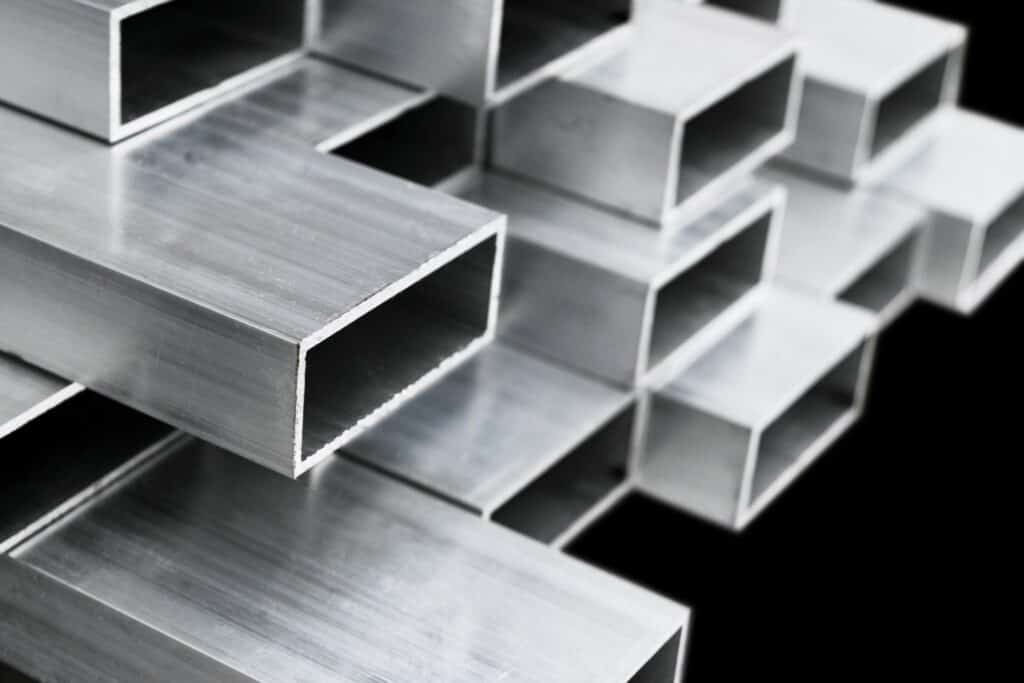
The Mexico aluminum market is poised for significant growth in 2025, driven by increasing demand from key industries such as automotive, aerospace, construction, and packaging, coupled with a rising focus on sustainability and energy-efficient materials. As Mexico continues to strengthen its position as a manufacturing hub in Latin America, aluminum is emerging as a critical material to support industrial innovation and environmental goals. With its lightweight properties, durability, and recyclability, aluminum is becoming indispensable across various sectors, positioning Mexico as an essential player in the global aluminum market.
Mexico Aluminium Market is predicted to reach USD 6.07 billion, at a CAGR of 6.7% by 2030. Aluminum’s role in supporting the shift to cleaner, greener technologies is a major driver behind the expanding market in Mexico. From electric vehicles (EVs) to energy-efficient buildings and renewable energy technologies, aluminum is at the forefront of meeting the growing demand for sustainable materials that align with both environmental regulations and market trends.
Download Your Free Sample Today!
Market Drivers:
Several key factors are driving the growth of the Mexico aluminum market:
- Automotive Industry Expansion and Electrification: The automotive sector is a major driver of aluminum demand in Mexico, particularly with the rapid growth of electric vehicles (EVs). Aluminum’s lightweight properties are critical for improving vehicle efficiency and reducing emissions, making it a key material in the production of electric vehicle batteries, body panels, and structural components. As Mexico increasingly becomes a key player in automotive manufacturing, both for domestic consumption and export, the demand for aluminum is expected to rise in line with the shift toward EVs.
- Growth in Aerospace Manufacturing: Mexico has become an important hub for aerospace manufacturing, with global aerospace companies setting up operations in the country. Aluminum, due to its strength-to-weight ratio and resistance to corrosion, remains a crucial material for aircraft construction. As Mexico’s aerospace sector grows, driven by increasing demand for both commercial and defense aircraft, the aluminum market is set to benefit from this expanding industry.
- Sustainable Building and Infrastructure Development: The construction sector in Mexico is increasingly prioritizing sustainable building materials, and aluminum plays a key role in this shift. Its use in windows, doors, facades, roofing, and insulation is growing due to its durability, recyclability, and energy efficiency. In addition, aluminum’s resistance to corrosion makes it ideal for infrastructure projects such as bridges and highways. With government investments in infrastructure and the rising demand for energy-efficient buildings, aluminum’s role in construction is expected to expand.
- Packaging Industry Demand: The demand for aluminum in the packaging industry continues to rise, particularly in the production of aluminum cans, foil, and containers. As consumer preferences shift toward more sustainable, recyclable packaging solutions, aluminum is becoming a preferred material for packaging applications. With the global focus on reducing plastic waste and increasing recycling rates, Mexico’s aluminum packaging industry is set for strong growth.
- Energy Transition and Renewable Energy Applications: Mexico’s commitment to clean energy and sustainability is driving demand for aluminum in renewable energy technologies. The material is increasingly used in solar panels, wind turbines, and energy-efficient electrical grids. As Mexico aims to meet its renewable energy targets, aluminum’s role in clean energy infrastructure is expected to rise, contributing to the market’s growth.
Challenges and Opportunities:
While the Mexico aluminum market presents considerable opportunities, there are challenges that must be addressed. One of the key hurdles is the volatility of global aluminum prices, which can impact production costs. Additionally, concerns around energy consumption in aluminum smelting operations, particularly in an energy-intensive industry, are also a point of focus for both producers and regulators.
Get the Facts, Click to Read the News
However, these challenges present opportunities for innovation. Investment in energy-efficient technologies, such as low-carbon aluminum production, and greater use of recycled aluminum can help address these concerns while reducing environmental impacts. Furthermore, Mexico’s established trade agreements, including the United States-Mexico-Canada Agreement (USMCA), present opportunities to expand exports to key markets, particularly the U.S., where demand for aluminum is strong.
Conclusion:
Growth will be fueled by strong demand from industries such as automotive, aerospace, packaging, and construction, as well as the continued push toward sustainability. Mexico’s strategic location, skilled labor force, and competitive manufacturing sector make it an attractive destination for investment in aluminum production and processing. Additionally, the increased focus on recycling and the development of greener production techniques will help position Mexico as a key player in the global transition to sustainable materials.
As the market evolves, Mexican aluminum producers will continue to focus on innovation, enhancing energy efficiency, and expanding production capacity to meet the needs of both domestic and international markets.
