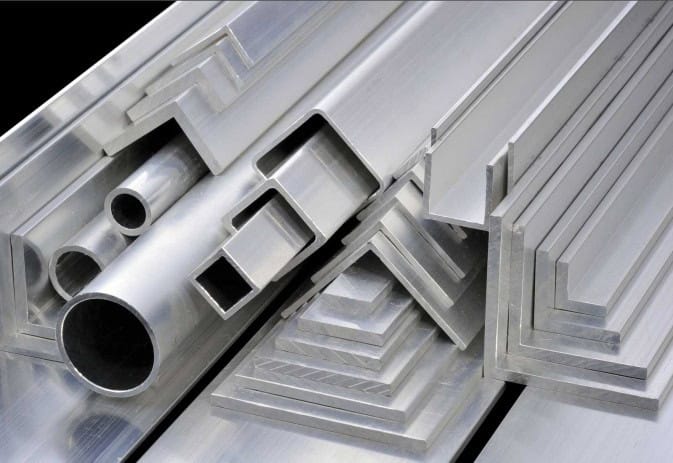
Norway aluminum market is rapidly expanding, driven by strong demand across key industries, a commitment to innovation, and a deep focus on sustainability. As a global leader in renewable energy, Norway is positioning itself as a frontrunner in producing eco-friendly aluminum, with technological advancements and green production methods paving the way for a more sustainable future.
Norway Aluminium Market is predicted to reach USD 4.11 billion, at a CAGR of 7.8% by 2030. With a thriving market and a growing emphasis on circular economy practices, Norway’s aluminum sector is set to play a crucial role in both European and global markets.
Download Your Free Sample Today!
Rising Demand in Key Industries
Norway aluminum market is benefiting from increasing demand across various sectors, including automotive, construction, aerospace, packaging, and renewable energy. The automotive industry remains one of the largest consumers of aluminum, with the material’s lightweight properties playing a crucial role in enhancing fuel efficiency and reducing carbon emissions. As electric vehicle (EV) production grows, Norwegian automakers are turning to aluminum for its ability to reduce weight while maintaining strength and safety standards.
In the aerospace sector, aluminum remains a fundamental material for aircraft construction, prized for its high strength-to-weight ratio, which is essential for improving fuel efficiency and reducing operational costs. The construction industry is also increasingly relying on aluminum, especially for energy-efficient building solutions and sustainable infrastructure projects. Aluminum’s durability, versatility, and recyclability make it an ideal material for green buildings and eco-friendly construction practices.
The packaging industry in Norway is another significant contributor to aluminum demand, driven by consumer preferences for sustainable materials. Aluminum packaging, such as cans and foils, is highly recyclable, aligning with the growing focus on reducing waste and increasing recycling rates across the country.
Technological Advancements and Innovation
Norway aluminum industry is at the cutting edge of technological innovation, with the country investing heavily in automation, artificial intelligence (AI), and digitalization to enhance manufacturing efficiency. These technologies allow producers to optimize production processes, improve product quality, and reduce operational costs.
In particular, Norway is focusing on improving the sustainability of aluminum production. A significant portion of the country’s aluminum is produced using hydroelectric power, making it one of the most environmentally friendly methods of primary aluminum production in the world. This renewable energy-driven approach positions Norway as a leader in green aluminum, offering a low-carbon alternative to other aluminum producers worldwide.
Norwegian companies are also leading efforts in aluminum recycling technology. Advances in recycling processes are improving the efficiency of turning scrap aluminum into high-quality products, reducing the need for primary aluminum production and further cutting down on energy consumption and emissions. As part of a broader shift toward a circular economy, Norwegian aluminum producers are also focusing on developing new methods for reusing and recycling aluminum in a closed-loop system.
Get the Facts, Click to Read the News
Sustainability and Circular Economy
Sustainability is at the heart of Norway aluminum industry. The Norwegian government’s environmental policies, alongside the European Union’s Green Deal, have created a regulatory framework that encourages low-carbon production methods and higher recycling rates. Norway aluminum sector is committed to reducing its carbon footprint by integrating renewable energy sources, such as hydroelectric and wind power, into the production process.
Aluminum is a key material in the circular economy due to its ability to be recycled indefinitely without losing quality. Norway is a leader in aluminum recycling, boasting one of the highest recycling rates in Europe. This commitment to recycling not only helps reduce waste but also minimizes the need for raw materials, conserving natural resources and lowering carbon emissions.
The continued growth of the recycling industry is essential to achieving Norway’s climate goals. By increasing the use of recycled aluminum, Norwegian producers can significantly reduce energy consumption, as recycling aluminum requires up to 95% less energy than producing primary aluminum. This makes aluminum recycling a vital part of Norway’s strategy to become carbon-neutral by 2030.
Challenges and Market Outlook
While Norway aluminum market holds significant promise, it is not without its challenges. Rising energy costs, supply chain disruptions, and fluctuating global demand for aluminum may pose obstacles to producers. However, the country’s strong commitment to renewable energy and sustainability provides a solid foundation for overcoming these challenges.
The outlook for the Norway aluminum market remains positive. As global demand for sustainable, lightweight materials continues to grow, Norway’s focus on eco-friendly production methods and advanced recycling technologies positions the country as a leader in the green transition. The combination of technological innovation, renewable energy, and a commitment to sustainability will ensure that Norway aluminum sector continues to thrive in the coming years.
Conclusion
Norway aluminum market is poised for significant growth, driven by strong demand from key industries, technological advancements, and a commitment to sustainability. As the world transitions toward greener, more efficient manufacturing practices, Norway aluminum sector is positioned to lead the way in eco-friendly production and recycling. With a focus on innovation, renewable energy, and the circular economy, Norway is set to remain a global leader in sustainable aluminum production, contributing to the development of a low-carbon future.
