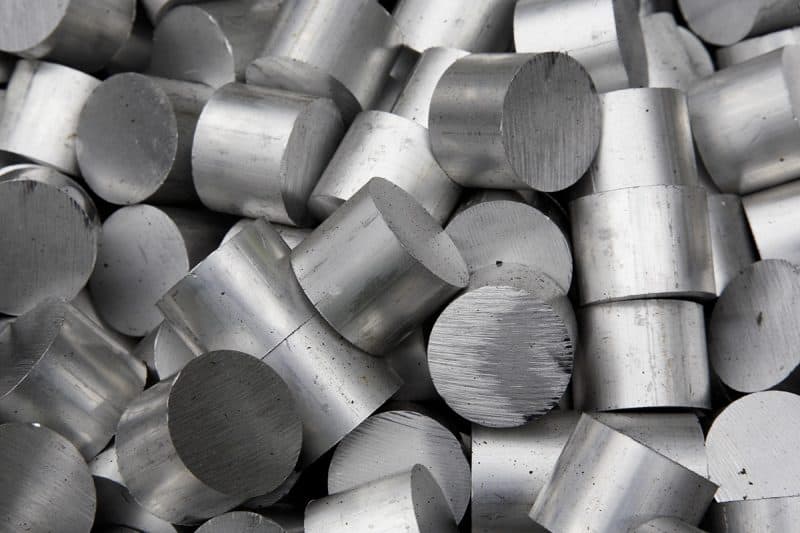
This growth is primarily driven by the increasing demand for aluminium in key industries such as automotive, construction, packaging, aerospace, and energy, alongside Russia’s strong aluminium production capabilities and strategic investments in the sector. As the market continues to develop, Russia’s role as a major global aluminium producer positions the country for continued growth in the coming decade.
Russia Aluminium Market is predicted to reach USD 5.78 billion, at a CAGR of 2.9% by 2030. Aluminium’s lightweight, corrosion-resistant, and durable properties make it a vital material across multiple industries. The demand for aluminium in Russia is increasing due to its extensive use in sectors such as automotive, construction, aerospace, packaging, and energy. Furthermore, Russia’s abundant natural resources, including bauxite reserves and energy resources, contribute to the country’s strong competitive position in aluminium production.
Claim Your FREE Sample and See the Difference!
Automotive Sector: Driving Demand for Lightweight Materials
The Russian automotive industry is one of the major drivers of aluminium demand. The increasing need for lighter vehicles to enhance fuel efficiency, reduce emissions, and meet international environmental standards has made aluminium a key material in vehicle production. In addition, the growing focus on electric vehicles (EVs) in Russia is further boosting the demand for aluminium, as EV manufacturers seek lightweight materials to optimize battery performance and extend driving range.
Russia’s automotive market is undergoing a significant transformation, with both domestic and foreign manufacturers shifting toward energy-efficient and electric vehicles. As this trend continues, the demand for aluminium in the production of car bodies, engine components, chassis, and other vehicle parts is expected to grow substantially.
Construction Industry: Aluminium’s Role in Sustainable Building Practices
The construction industry is another key sector driving the demand for aluminium in Russia. Aluminium’s lightweight, durability, and aesthetic appeal make it a popular choice for building materials, including windows, doors, roofing, cladding, and structural components. Moreover, aluminium is known for its resistance to corrosion, making it particularly suitable for buildings in harsh climates.
Don’t Miss This Important News
As Russia focuses on sustainable development and energy-efficient construction, aluminium’s role in green building practices is growing. The growing demand for energy-efficient homes and commercial buildings, in line with Russia’s sustainable urban development goals, is expected to drive increased adoption of aluminium in the construction sector.
Packaging Industry: Sustainability and Aluminium Recycling
The packaging industry in Russia is another major contributor to aluminium demand. Aluminium is widely used in beverage cans, food containers, and other packaging products due to its excellent preservation qualities and recyclability. As global concerns over plastic waste intensify, aluminium is increasingly seen as a sustainable alternative, especially for packaging.
Russia has a well-established aluminium recycling infrastructure, and as consumer preferences shift toward eco-friendly solutions, the demand for aluminium packaging is expected to rise. Aluminium’s ability to be recycled indefinitely without losing its quality makes it a preferred choice for industries focused on sustainability, particularly in the food and beverage sector.
Aerospace Industry: Aluminium’s Role in High-Performance Aircraft
Russia’s aerospace industry is another significant driver of aluminium demand. Aluminium is used extensively in the production of aircraft components, such as fuselages, wings, and engines, due to its high strength-to-weight ratio. As Russia continues to develop and manufacture advanced aircraft for both domestic and international markets, the demand for aluminium in the aerospace sector is expected to remain strong.
Russia’s advancements in aviation technology, along with its efforts to produce fuel-efficient and environmentally friendly aircraft, will continue to drive the need for lightweight materials such as aluminium in aerospace manufacturing.
Challenges and Opportunities
While the Russia aluminium market holds strong growth potential, it faces some challenges, such as fluctuating raw material prices and global trade uncertainties. However, these challenges also create opportunities for innovation, particularly in energy-efficient production methods and the development of new aluminium alloys that offer improved performance and lower costs.
Furthermore, Russia’s position as one of the world’s largest producers of aluminium offers a significant advantage. The country’s strong supply chain, vast energy resources, and strategic investments in the aluminium sector provide a solid foundation for future growth. As demand for sustainable and recycled aluminium continues to rise, Russia is well-positioned to capitalize on this trend.
Conclusion
The market’s growth will be driven by rising demand from sectors such as automotive, construction, packaging, aerospace, and energy. Russia’s competitive advantages, including its abundant natural resources and strong aluminium production capabilities, position the country for continued success in the global aluminium market. The focus on sustainability, energy-efficient solutions, and aluminium recycling will continue to fuel growth in the coming years.
