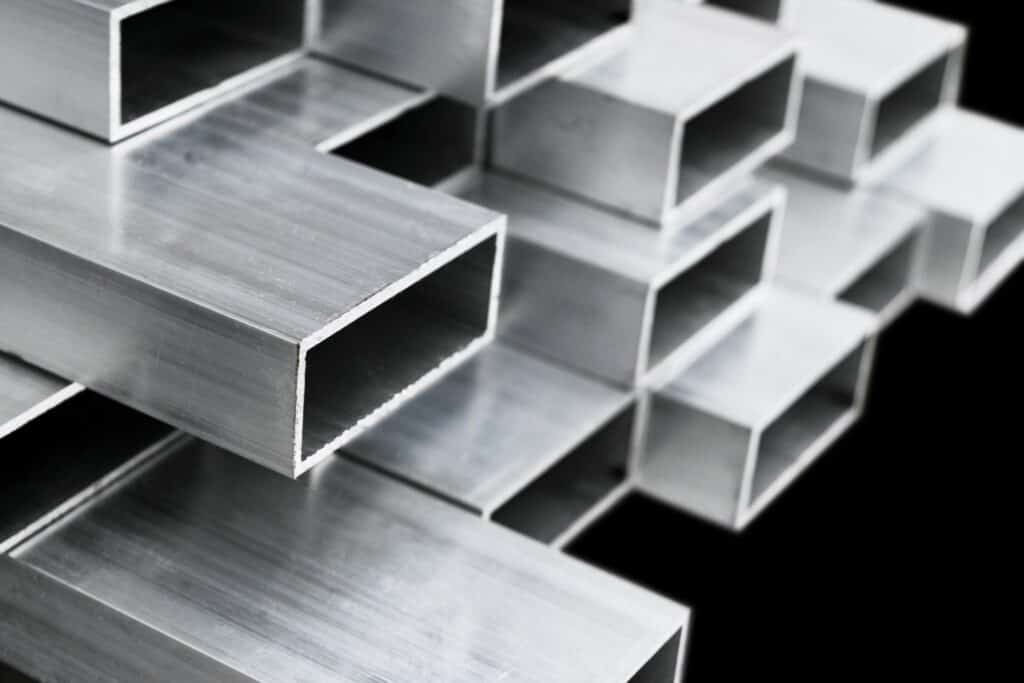
South Korea aluminum market is experiencing rapid growth, fueled by rising demand across key sectors such as automotive, electronics, packaging, and construction. With a strong emphasis on technological innovation, sustainability, and advanced manufacturing practices, South Korea is positioning itself as a leader in the global aluminum market.
The South Korea Aluminium Market is predicted to reach USD 14.86 billion, at a CAGR of 5.8% by 2030. The country’s commitment to green production methods, coupled with its focus on innovation, ensures that South Korea aluminum sector will play a crucial role in shaping a more sustainable future.
Claim Your FREE Sample and See the Difference!
Rising Demand Across Key Sectors
The South Korea aluminum market is benefitting from increasing demand in several vital industries. Automotive manufacturing, in particular, is one of the largest drivers of aluminum consumption in the country. As automakers increasingly embrace lightweight materials to improve fuel efficiency and reduce emissions, aluminum has become a key component in the production of vehicles, including electric vehicles (EVs). South Korea’s leading automotive manufacturers are adopting aluminum for its strength, durability, and ability to lower the weight of EVs, improving their energy efficiency and performance.
In the construction sector, aluminum is in high demand for energy-efficient buildings and sustainable infrastructure projects. Aluminum’s strength, corrosion resistance, and recyclability make it an ideal material for modern construction applications, particularly in windows, facades, and roofing. With an increasing focus on green building standards, South Korea’s aluminum industry is well-positioned to meet the growing need for environmentally friendly materials in the construction of energy-efficient structures.
The packaging industry is another significant contributor to South Korea aluminum demand, particularly in food and beverage packaging. Aluminum’s excellent barrier properties, ability to preserve freshness, and recyclability make it an attractive choice for manufacturers looking to reduce their environmental impact. With consumers becoming more eco-conscious, the demand for sustainable packaging solutions is expected to continue to rise, further boosting the country’s aluminum market.
Additionally, the electronics industry in South Korea, renowned for its high-tech manufacturing, increasingly uses aluminum for producing lightweight, durable components in devices such as smartphones, laptops, and tablets. The need for lightweight yet robust materials that enable sleek, modern designs continues to drive the demand for aluminum in electronics.
Technological Advancements and Innovation
South Korea aluminum industry is embracing cutting-edge technologies to stay ahead of global trends and meet the growing demand for high-performance materials. The integration of automation, artificial intelligence (AI), and digitalization in manufacturing processes has enabled South Korean companies to improve production efficiency, reduce costs, and ensure higher-quality products.
One of the key innovations is in the development of advanced aluminum alloys. South Korea is investing heavily in the research and development of new aluminum materials with improved properties, such as higher strength, better corrosion resistance, and enhanced formability. These new alloys are essential for industries like automotive and aerospace, where material performance and weight reduction are critical.
The aluminum recycling sector in South Korea is also seeing significant advancements, with the country adopting more efficient and sustainable recycling processes. By improving recycling rates and enhancing the quality of recycled aluminum, South Korea is working to reduce its dependence on primary aluminum production, which is energy-intensive and environmentally taxing. Aluminum recycling requires up to 95% less energy compared to primary production, making it a key strategy for reducing carbon emissions.
Commitment to Sustainability
Sustainability remains a top priority for South Korea aluminum market. The South Korean government has set ambitious climate goals, including reducing carbon emissions and increasing the use of renewable energy. Aluminum production, which traditionally relies on energy-intensive processes, is undergoing a transformation as the industry shifts toward greener practices.
South Korea aluminum producers are increasingly focusing on utilizing renewable energy sources, such as solar and wind power, to reduce the carbon footprint of production. This transition to cleaner energy is vital for aligning with the country’s broader sustainability goals and reducing the environmental impact of the aluminum industry.
In addition to renewable energy integration, South Korea is enhancing its aluminum recycling efforts. The country has one of the highest recycling rates in the world, and its aluminum recycling initiatives are critical in advancing the circular economy. The ability to recycle aluminum indefinitely without loss of quality ensures that South Korea can continue to meet growing demand while reducing the need for raw materials and conserving natural resources.
Challenges and Market Outlook
While South Korea aluminum market has a positive outlook, challenges remain. Rising energy costs, particularly in the context of transitioning to renewable energy, and supply chain disruptions could potentially impact production and pricing stability. Additionally, global competition and fluctuating demand from industries like automotive and electronics may introduce uncertainties in the market.
Nevertheless, the long-term prospects for South Korea aluminum market remain strong. With a clear focus on technological innovation, sustainability, and meeting global demand for high-performance materials, South Korea is well-positioned to continue its leadership in the global aluminum sector. The country’s dedication to sustainable practices and green production methods will help it maintain its competitive edge in the years to come.
Conclusion
South Korea aluminum market is poised for continued growth, driven by rising demand from key industries such as automotive, packaging, construction, and electronics. With a focus on technological innovation, sustainability, and efficient manufacturing processes, South Korea is positioning itself as a global leader in the aluminum industry. As the demand for lightweight, durable, and eco-friendly materials continues to grow, South Korea aluminum producers are set to play a crucial role in shaping the future of the industry.
