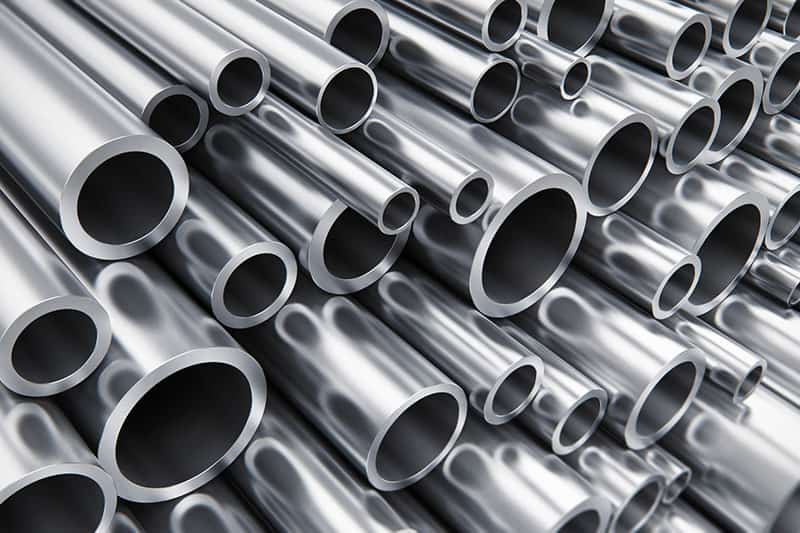
The aluminum market in Thailand is on track for substantial growth, with the demand for aluminum products expanding across key industries such as construction, automotive, packaging, and manufacturing. As the country continues its economic development and urbanization, the market is poised to reach new heights, driven by Thailand’s growing industrial sectors and increasing adoption of aluminum for its sustainability and versatility.
The Thailand Aluminium Market is predicted to reach USD 12.19 billion, with a CAGR of 10.3% by 2030. Thailand aluminum market is expected to witness steady growth, supported by both local demand and increased export opportunities. Aluminum’s lightweight, durable, and eco-friendly properties make it an ideal material for a wide range of applications, and the country is positioned to capitalize on these benefits in its quest to become a leader in Southeast Asia’s aluminum market.
Discover More – Get a FREE Sample Today!
Aluminum: A Material for Modern Industries
Aluminum is a versatile metal that finds applications across multiple industries, from construction and transportation to packaging and consumer goods. Its light weight, corrosion resistance, recyclability, and high strength-to-weight ratio make it an attractive alternative to other materials. In Thailand, the demand for aluminum products is growing rapidly due to these inherent advantages, particularly in sectors such as construction, automotive manufacturing, and packaging.
Stay Ahead with the Latest News
The construction industry, for instance, uses aluminum extensively in windows, doors, facades, and roofing materials due to its durability, light weight, and resistance to corrosion. In the automotive sector, the shift towards lightweight materials for fuel efficiency and reduced carbon emissions is further increasing the demand for aluminum, which is used in the production of engine components, body panels, and wheels. Additionally, aluminum is gaining ground in the packaging industry, where its recyclability aligns with the growing focus on sustainability.
Key Market Drivers
- Growing Construction and Infrastructure Development: Thailand’s ongoing urbanization and infrastructure development projects are driving demand for aluminum in the construction industry. The government’s initiatives to expand the country’s infrastructure, including transportation, residential, and commercial buildings, are expected to contribute significantly to the growth of aluminum consumption. With its durability and flexibility, aluminum is an ideal material for modern building designs, supporting the growing need for energy-efficient and aesthetically appealing construction.
- Automotive Industry Growth: The automotive industry in Thailand is one of the largest in Southeast Asia, with the country being a key hub for automotive manufacturing. Aluminum is increasingly used in the production of lightweight vehicles, as it improves fuel efficiency and reduces carbon emissions. As environmental regulations become stricter and consumers demand more sustainable vehicles, aluminum’s role in the automotive industry is expected to continue expanding.
- Sustainability and Recycling: The growing emphasis on sustainability and recycling is driving the demand for aluminum, as it is 100% recyclable without any loss of quality. Thailand is seeing increased investments in recycling technologies, which help recover aluminum from scrap and reduce the environmental impact of primary aluminum production. The demand for eco-friendly packaging and building materials is also pushing manufacturers to adopt aluminum, further bolstering the market’s growth prospects.
- Industrial Manufacturing and Electronics: The industrial manufacturing sector in Thailand is expanding, with a particular focus on electronics and machinery. Aluminum is widely used in the production of machinery parts, heat exchangers, and electronics enclosures due to its excellent thermal conductivity and strength. As Thailand continues to grow its manufacturing capabilities, the demand for aluminum is expected to increase across various sub-sectors, including electronics, electrical equipment, and machinery.
- Export Opportunities: Thailand’s strategic location in Southeast Asia makes it a key exporter of aluminum products to global markets. With a well-established manufacturing base and strong international trade connections, Thailand is well-positioned to benefit from the growing demand for aluminum products, particularly in neighboring countries and global markets like Europe and North America. The country’s focus on improving trade relations and export infrastructure will further enhance its role in the global aluminum market.
Challenges and Opportunities
While the outlook for the aluminum market in Thailand is positive, there are challenges that must be addressed. One of the key concerns is the price volatility of raw aluminum materials, as fluctuations in the price of bauxite and other raw materials can impact production costs. Additionally, the competitive landscape in the aluminum industry is intensifying, with manufacturers seeking ways to innovate and differentiate their products.
However, these challenges also present significant opportunities. The focus on recycling and developing more energy-efficient production methods will help address cost concerns while improving environmental sustainability. Furthermore, innovation in aluminum alloys and the development of new applications in industries such as aerospace and 3D printing will continue to drive growth in the market.
Looking Ahead: A Strong Future for Thailand’s Aluminum Market
The future of the aluminum market in Thailand looks promising, with the demand for aluminum products expected to grow across several key industries. As the country continues to strengthen its infrastructure, expand its automotive sector, and embrace sustainability, aluminum will play a vital role in shaping the future of Thailand’s industrial landscape.
With continued investments in research and development, Thailand’s aluminum producers are well-positioned to meet the growing demand for innovative, high-quality aluminum products. As the market matures, the focus will shift toward enhancing manufacturing processes, improving product quality, and expanding exports, ensuring that Thailand remains a key player in the global aluminum market.
Conclusion
The Thailand aluminum market is set for steady growth, with demand driven by the construction, automotive, packaging, and industrial manufacturing sectors. With a focus on sustainability, recycling, and innovation, aluminum is well-positioned to play a key role in supporting Thailand’s industrialization and economic development. As the market expands, Thailand’s aluminum industry will continue to contribute to the country’s economic growth and its reputation as a hub for manufacturing and trade in Southeast Asia.
