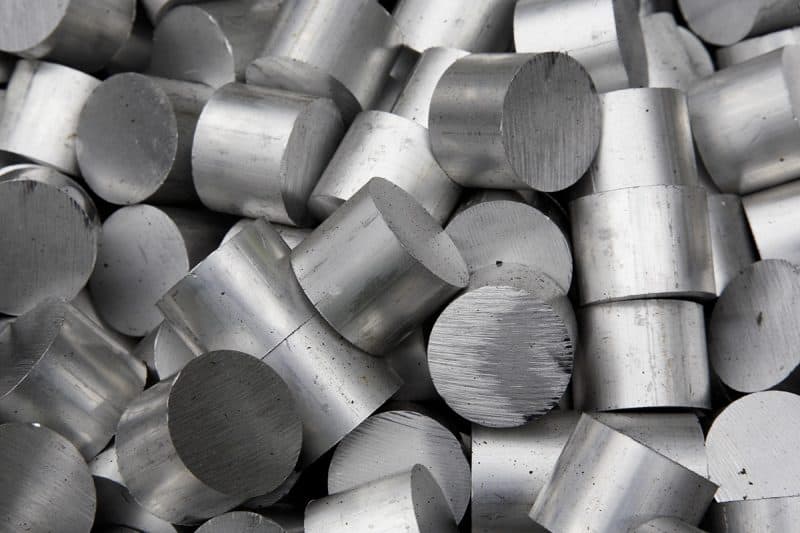
As one of the largest economies in Europe, Spain’s demand for aluminium is driven by key sectors such as automotive, construction, aerospace, packaging, and renewable energy, with sustainability trends and technological advancements further contributing to its growth.
The Spain Aluminium Market is predicted to reach USD 6.19 billion, at a CAGR of 5.7% by 2030. Aluminium’s unique combination of lightness, strength, and corrosion resistance makes it an essential material across a variety of industries. In Spain, the aluminium market is largely shaped by the demand from industries such as automotive manufacturing, construction, packaging, and aerospace. Moreover, increasing focus on sustainability, coupled with Spain’s commitment to a circular economy, is further driving demand for aluminium, particularly for recyclable and energy-efficient solutions.
Unlock a FREE Sample – Try Before You Buy!
Automotive Sector Boosts Aluminium Demand
The Span automotive industry plays a significant role in the country’s aluminium market. As automotive manufacturers continue to prioritize reducing vehicle weight to improve fuel efficiency and meet emissions standards, the demand for aluminium is increasing. The material is widely used in car bodies, engines, structural components, and other parts to reduce the overall weight of vehicles, which in turn enhances fuel efficiency.
The shift toward electric vehicles (EVs) in Spain is also accelerating the need for aluminium. EV manufacturers require lightweight materials to optimize battery performance and extend driving range, making aluminium a key material in the production of electric vehicle components. With government policies encouraging the transition to electric mobility, the demand for aluminium in Spain’s automotive industry is expected to continue rising in the coming years.
Sustainability Drives Aluminium Use in Construction
Spain’s construction industry is another significant driver of aluminium demand. The material is favored for its durability, aesthetic appeal, and corrosion resistance in building applications, including windows, doors, cladding, and roofing. As sustainability becomes an increasingly important focus in construction, aluminium is gaining traction due to its recyclability and energy efficiency.
Get the Facts, Click to Read the News
Spain has seen a growing trend toward sustainable building practices, with more emphasis on eco-friendly materials and energy-efficient designs. Aluminium’s role in green buildings, particularly in energy-efficient facades and sustainable construction practices, is expected to contribute to market growth. With the Spanish government’s focus on reducing carbon emissions and advancing energy-efficient buildings, the demand for aluminium will remain strong in the construction sector.
Packaging Industry Expands Aluminium Adoption
The packaging industry in Spain is increasingly relying on aluminium for its products, particularly in the food and beverage sector. Aluminium’s ability to preserve the quality of goods while offering an environmentally friendly solution makes it a preferred material for packaging. The material is widely used for beverage cans, food containers, and foil, offering a sustainable alternative to plastic packaging.
With Spain’s growing commitment to reducing plastic waste and encouraging recycling, the use of aluminium in packaging is expected to expand. The ability to recycle aluminium indefinitely without degradation aligns with Spain’s environmental goals, making it a key material in sustainable packaging solutions.
Aerospace Sector Contributes to Market Growth
Spain is home to a well-established aerospace industry, which continues to contribute to the growth of the aluminium market. Aluminium’s lightweight and high-strength properties are critical for manufacturing aerospace components, including aircraft wings, fuselages, and engine parts. As the aerospace sector in Spain continues to grow, the demand for aluminium in the production of advanced aircraft and aviation components is expected to remain strong.
Technological advancements in aircraft design, including the push for more fuel-efficient and environmentally friendly aircraft, will further boost aluminium consumption in the aerospace sector.
Challenges and Opportunities in the Market
While the Span aluminium market presents significant growth opportunities, challenges such as fluctuating raw material prices and energy-intensive production processes may impact the industry. The high cost of energy required for aluminium smelting is a major concern, and addressing this challenge through energy-efficient technologies will be key to maintaining competitive pricing.
Additionally, environmental regulations are tightening across Europe, which creates both challenges and opportunities for the aluminium industry. With increasing pressure to adopt sustainable practices, Spain’s aluminium manufacturers are turning to advanced recycling technologies and eco-friendly production methods to meet demand for green solutions.
Conclusion
Demand from sectors such as automotive, construction, packaging, aerospace, and renewable energy will continue to fuel the market’s expansion. As sustainability becomes a key priority in industrial practices, the role of aluminium in Spain’s transition to greener solutions will be crucial in shaping the market’s future. Technological advancements in aluminium production and recycling will also play a critical role in ensuring the sector’s growth and sustainability.
