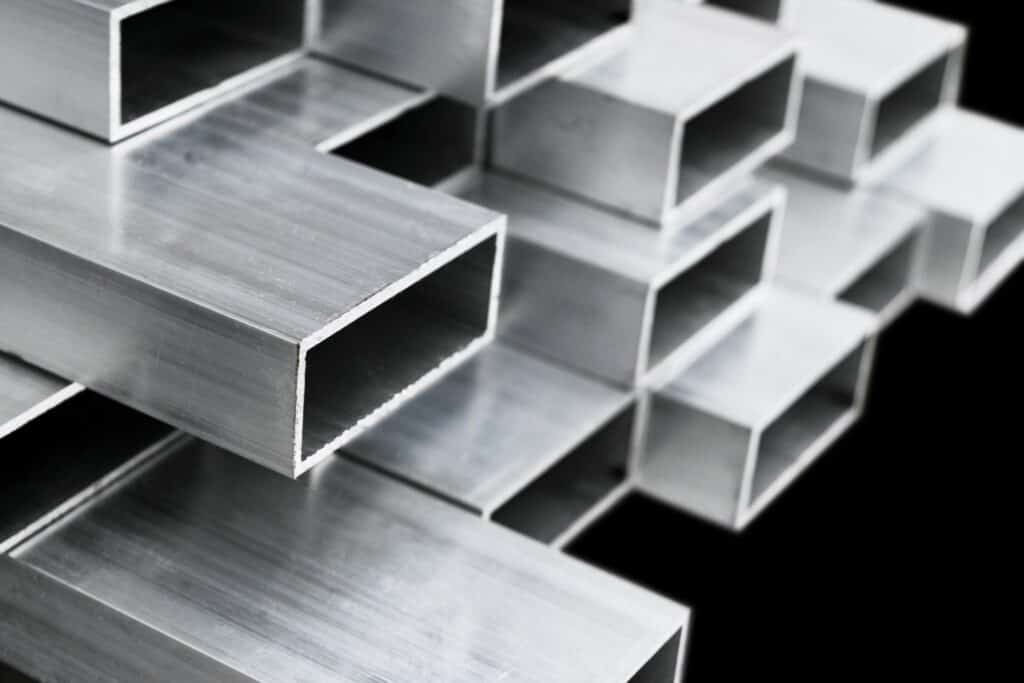
This growth is primarily driven by increasing demand from key sectors, including automotive, aerospace, construction, packaging, and renewable energy. Sweden’s commitment to sustainability, along with advancements in aluminium production technology and recycling efforts, is expected to play a significant role in the market’s expansion.
The Sweden Aluminium Market is predicted to reach USD 3.75 billion, at a CAGR of 3.4% by 2030. Aluminium’s unique combination of strength, durability, and light weight, along with its recyclability, has led to its widespread use across various industries in Sweden. The country’s growing emphasis on sustainability and environmental responsibility is driving demand for aluminium in sectors such as automotive, construction, and packaging, as well as the rising use of recycled aluminium, which aligns with Sweden’s circular economy goals.
Download Your Free Sample Today!
Automotive Industry and the Demand for Lightweight Materials
The automotive sector in Sweden is one of the major contributors to the growing demand for aluminium. As car manufacturers increasingly focus on reducing vehicle weight to improve fuel efficiency, decrease emissions, and meet stricter environmental standards, aluminium plays a crucial role. The material is used extensively in car bodies, chassis, engines, and structural components to reduce the overall weight of vehicles, enhancing their performance and fuel efficiency.
In addition to conventional vehicles, Sweden’s growing focus on electric vehicles (EVs) is driving the demand for aluminium. EV manufacturers rely on lightweight materials to optimize battery efficiency and maximize driving range. As Sweden continues to offer incentives to promote the production and adoption of EVs, the demand for aluminium in the automotive sector is expected to grow significantly in the coming years.
Sustainable Construction and Green Building Practices
The construction industry in Sweden is another key driver of aluminium demand. Aluminium is widely used in windows, doors, facades, and other building materials due to its light weight, resistance to corrosion, and aesthetic appeal. As the demand for sustainable and energy-efficient buildings grows, aluminium’s properties make it an ideal choice for architects and builders looking to reduce environmental impact while maintaining high standards of durability and aesthetics.
Get the Facts, Click to Read the News
Sweden’s ambitious climate goals, including the transition to carbon-neutral buildings and cities, have accelerated the demand for sustainable building materials. Aluminium is a critical component of green construction projects due to its recyclability, which fits well with the country’s circular economy principles. The Swedish construction industry’s commitment to sustainability will continue to fuel the growth of aluminium demand in the coming years.
Packaging Industry: A Shift Towards Sustainability
The packaging industry in Sweden is also contributing significantly to the growth of the aluminium market. Aluminium is extensively used in beverage cans, food containers, and packaging materials due to its strength, ability to preserve products, and recyclability. As consumer demand for environmentally friendly packaging rises, the use of aluminium in packaging is expected to increase.
Sweden is one of Europe’s leaders in recycling, with a high rate of aluminium recycling in the packaging industry. With increasing pressure to reduce plastic waste and enhance recycling rates, the Swedish packaging industry is turning to aluminium as a more sustainable alternative. Aluminium’s ability to be recycled indefinitely without losing its quality makes it a preferred material in the packaging sector, particularly in the beverage industry.
Aerospace Industry and Technological Innovations
The aerospace sector in Sweden is another significant consumer of aluminium, with the material being used to produce lightweight aircraft components such as wings, fuselages, and engines. As the aerospace industry continues to innovate and focus on reducing fuel consumption and emissions, aluminium remains a key material for producing lightweight, high-performance aircraft.
Sweden is home to several key players in the aerospace industry, and the demand for aluminium is set to increase as the sector works toward developing more fuel-efficient and environmentally friendly aircraft. Aluminium’s high strength-to-weight ratio and its ability to withstand the harsh conditions of air travel make it an ideal choice for aerospace applications.
Challenges and Opportunities
Despite the positive outlook for the Sweden aluminium market, challenges remain, including fluctuating raw material prices and energy-intensive production processes. However, these challenges present opportunities for innovation, particularly in energy-efficient production techniques and the development of advanced alloys that can reduce costs while maintaining high performance.
The growing emphasis on aluminium recycling in Sweden also presents significant opportunities for the market. Sweden’s strong recycling infrastructure and high recycling rates will help drive the use of recycled aluminium across multiple industries, particularly in packaging, automotive, and construction.
Conclusion
The market’s growth is driven by rising demand from key sectors such as automotive, construction, packaging, aerospace, and renewable energy. Sweden’s focus on sustainability, energy efficiency, and circular economy practices will continue to play a central role in the expansion of the aluminium market. As the demand for recycled aluminium increases, Sweden’s strong recycling infrastructure will support the continued growth of the market, ensuring that aluminium remains a key material for industrial innovation and sustainability.
