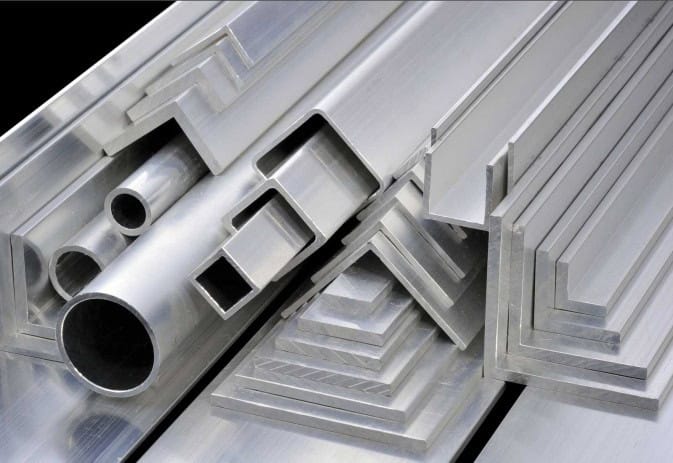
The U.S. aluminum market is, driven by increasing demand from key industries such as automotive, aerospace, construction, and packaging, alongside the accelerating trend toward sustainability. As the U.S. focuses on a green future and enhancing industrial capabilities, aluminum is emerging as a critical material to meet evolving needs for lightweight, durable, and recyclable products.
The U.S. Aluminium Market is predicted to reach USD 17.13 billion, at a CAGR of 4.6% by 2030. Aluminum’s versatility, corrosion resistance, and energy efficiency are making it the material of choice for numerous sectors, positioning the U.S. as a leader in aluminum production and consumption globally. With the ongoing rise of electric vehicles (EVs), the expansion of sustainable building practices, and the push toward energy-efficient manufacturing, the U.S. aluminum market is well-poised for continued growth.
Test It First – Download Your FREE Sample!
Market Drivers:
Several key factors are contributing to the expansion of the U.S. aluminum market:
- Automotive Industry Shift Toward Lightweight and Electric Vehicles: The automotive sector, particularly the electric vehicle market, is one of the leading drivers of aluminum demand. Automakers are increasingly turning to aluminum to reduce vehicle weight and improve fuel efficiency, especially as stricter emissions regulations come into play. As EV production grows, aluminum is playing a key role in battery components, chassis, body panels, and structural elements. The U.S. is expected to see strong demand for aluminum as domestic EV manufacturing ramps up in line with global electrification trends.
- Growth of the Aerospace Industry: The aerospace sector continues to be a major consumer of aluminum due to its excellent strength-to-weight ratio and corrosion resistance. Aircraft manufacturers are leveraging aluminum to make planes lighter and more fuel-efficient, which is essential as the global aerospace industry recovers and expands. With the U.S. being a major hub for both civil and military aviation, the demand for aluminum in this sector is expected to remain strong.
- Sustainability and Green Construction: As the construction sector moves toward more sustainable building practices, aluminum’s role in eco-friendly architecture is growing. Its use in energy-efficient buildings, including facades, windows, roofing, and interior components, is increasing. Additionally, aluminum’s recyclability makes it an attractive material for green construction projects. The U.S. government’s focus on infrastructure renewal and energy-efficient construction is supporting the growth of aluminum demand in this sector.
- Packaging Industry Demand: Aluminum continues to be a primary material in packaging, especially for products like cans, foil, and containers. The growing focus on reducing plastic waste and increasing recycling is benefiting aluminum’s demand in the packaging sector. Aluminum’s recyclability and its role in sustainable packaging make it an attractive option for companies looking to meet sustainability targets.
- Energy-Efficient Manufacturing Solutions: Aluminum is essential in the development of energy-efficient systems, such as solar panels, wind turbines, and electric grids. With the U.S. government’s commitment to a low-carbon future and the increasing shift toward renewable energy, the demand for aluminum in clean energy technologies is expected to rise.
Challenges and Opportunities:
While the U.S. aluminum market is poised for growth, it faces challenges such as fluctuating raw material prices, trade tariffs, and energy costs, which can impact the production costs of aluminum. The U.S. also competes with global suppliers, particularly from countries with lower production costs, which may pose challenges for domestic aluminum manufacturers.
Stay Ahead with the Latest News
However, these challenges present opportunities for innovation. Investments in energy-efficient smelting technologies and sustainable aluminum production processes can help address rising costs and reduce environmental impact. Additionally, the increased focus on recycling and closed-loop systems presents a significant opportunity for U.S. aluminum producers to tap into the growing demand for sustainable materials.
Conclusion:
The growth of electric vehicle production, the push for green construction, and the ongoing adoption of energy-efficient technologies will fuel strong demand for aluminum in the coming years. The U.S. will continue to be a key player in the global aluminum market, thanks to its robust manufacturing capabilities, strong infrastructure, and commitment to sustainability.
In addition, as the U.S. aluminum industry focuses on innovation and sustainability, including increased use of recycled aluminum, it is well-positioned to lead the charge in meeting the growing global demand for green and energy-efficient solutions.
