This rapid growth reflects the increasing demand for fast-charging, energy-efficient solutions driven by the country’s booming consumer electronics industry, rising electric vehicle (EV) adoption, and a growing emphasis on sustainability.
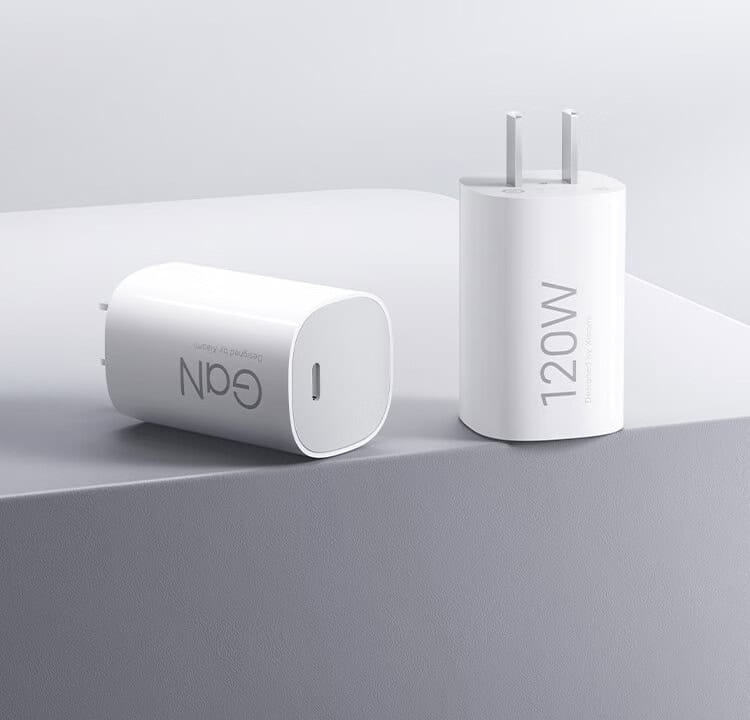
Canada GaN Charger Market is predicted to reach USD 94.53 million, with a CAGR of 20.9% by 2030. GaN chargers, which utilize the superior properties of gallium nitride to deliver faster, more efficient charging while maintaining a compact form factor, are gaining significant traction in Canada. The growing preference for high-performance charging solutions, combined with the expanding need for portable energy-efficient devices, is fueling the adoption of GaN chargers across various sectors.
Experience It for Yourself – Download a FREE Sample!
Key Drivers of Market Growth
- Rising Demand for Fast-Charging Technology
With the increasing number of connected devices, Canadians are seeking quicker charging solutions for their smartphones, laptops, tablets, and other portable devices. GaN chargers are ideal for this need, as they deliver faster charge times while remaining lightweight and efficient. As the demand for high-speed, reliable, and compact chargers rises, the GaN charger market is poised to benefit from this trend. - Electric Vehicle (EV) Adoption and Charging Infrastructure Expansion
The growing popularity of electric vehicles in Canada is another major driver of the GaN charger market. As EV adoption accelerates, consumers require high-efficiency charging solutions that can provide faster charging times and handle higher power output. GaN chargers, which offer a higher power density in a smaller form factor compared to traditional silicon-based chargers, are well-suited for electric vehicle charging applications. Additionally, with increased investments in EV infrastructure and charging stations, there is greater demand for fast-charging solutions that use GaN technology to meet the growing need for EVs in the country. - Advancements in Consumer Electronics
Canada’s consumer electronics industry is experiencing significant growth, with an increasing number of Canadians using smartphones, laptops, gaming consoles, and other portable electronics. As devices become more power-hungry and consumers demand quicker charging times, GaN chargers provide an ideal solution. These chargers deliver superior performance by offering more efficient power conversion, minimizing energy loss, and improving device charging speed. The growing demand for energy-efficient, portable, and multi-device charging solutions contributes to the positive outlook for GaN chargers in Canada. - Focus on Sustainability and Energy Efficiency
As environmental consciousness continues to rise, Canada’s commitment to sustainability is driving the demand for greener, more energy-efficient products. GaN chargers are a perfect fit for this shift, as they significantly reduce energy losses compared to traditional silicon-based chargers. With governments and industries placing more focus on reducing carbon footprints and increasing energy efficiency, the adoption of GaN chargers in Canada is expected to rise steadily over the coming years.
Technological Advancements and Innovation
Advancements in GaN technology and manufacturing processes are further accelerating the growth of the GaN charger market in Canada. With the evolution of GaN semiconductors and improvements in material science, manufacturers can produce GaN chargers that are even more compact, efficient, and cost-effective. These technological breakthroughs are driving the affordability and availability of GaN chargers, making them accessible to a wider range of consumers and businesses.
Additionally, as the electric vehicle market expands in Canada, automakers are increasingly turning to GaN technology for charging stations. This trend is expected to further boost demand for GaN-based solutions, especially in fast-charging infrastructure for EVs, where rapid power delivery and efficiency are crucial.
Regional Insights
Canada is seeing a rapid increase in the adoption of GaN chargers, with several key factors contributing to this growth. The country is heavily focused on reducing emissions and supporting clean energy solutions, which aligns with the advantages of GaN chargers. Additionally, Canada’s expanding electric vehicle infrastructure and increasing number of consumer electronics users are expected to continue driving the demand for GaN chargers.
Urban centers such as Toronto, Vancouver, and Montreal are likely to see high adoption rates of GaN chargers, particularly due to their tech-savvy populations and growing use of electric vehicles. Moreover, the Canadian government’s push for green energy solutions and clean technologies aligns well with the energy-efficient nature of GaN chargers, positioning them as a preferred solution for consumers and businesses alike.
Challenges and Opportunities
While the market for GaN chargers in Canada shows significant potential, there are some challenges to address. The initial cost of GaN chargers can be higher than traditional silicon-based alternatives, which may deter some price-sensitive consumers. However, as production volumes increase and economies of scale are achieved, the cost of GaN chargers is expected to decrease, making them more affordable for a wider customer base.
Furthermore, while GaN chargers are expected to replace silicon-based chargers in several applications, competition from other charging technologies such as lithium-ion-based chargers could impact market growth. However, the superior performance and energy efficiency of GaN technology provide it with a competitive advantage in the growing fast-charging and electric vehicle sectors.
Conclusion
Driven by rising consumer demand for fast-charging solutions, the expansion of electric vehicle infrastructure, and the push for energy-efficient products, GaN chargers are poised to revolutionize the charging landscape in the country. Technological innovations and advancements in manufacturing processes will further fuel the adoption of GaN chargers, making them an integral part of Canada’s transition to more efficient and sustainable energy solutions.
